
Europe 1745-1901
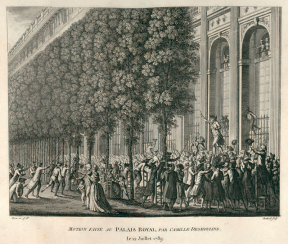
Recognising a significant return to stories in the history classroom, Holliss and Carroll wanted to think carefully about what this meant for A-level history. While stories had always been present in their classrooms, they wanted to experiment with the methods of the ‘new storytellers’, building lessons, then sequences of lessons,...
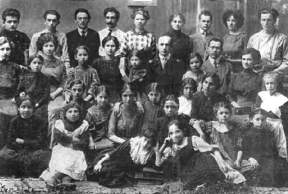
When Alistair Dickins came to teach A-level Russian and Soviet history (1855–1964) he was rather surprised by the very limited references to Jewish history within the exam board specification. His own detailed knowledge in this area (a ‘little side-project’ from his doctorate on the Russian Revolution), led to a revision...
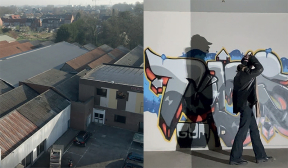
As a busy teacher of history and part-time doctoral student exploring history, heritage and identity, Joris thought a lot about heritage, students’ understanding of heritage and how such ideas could best be brought into the history classroom. Meanwhile, he discovered that the buildings next to his school were about to...
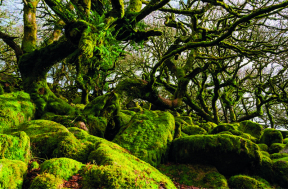
Barbara Trapani’s article sprung from, and is written in, hope. Through introducing the history of, specifically, Europeans’ relationships with trees in Madeira, the Banda Islands and Britain, Trapani enabled her Year 8 pupils to appreciate the ways in which exploitative nations have used irreplaceable resources and profoundly altered ecosystems and...
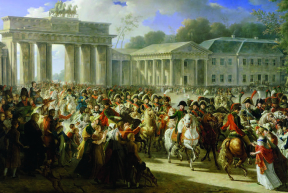
Geraint Brown and Matt Stanford share the daunting challenge and intriguing opportunities that are presented by leading a school history trip to a site as complex as Berlin. That the city is a palimpsest, layered with stories and tissued with conflicting identities, experiences and meanings, makes planning a trip extremely...
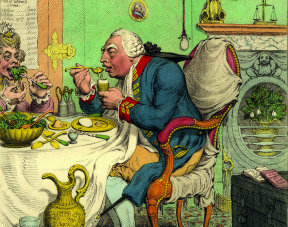
As ardent advocates of eighteenth-century history, Rhian Fender and Stephen Ragdale were determined to ensure that the period found a secure place within their department’s Key Stage 3 curriculum. Given the extraordinary range of contrasts that epitomise the long eighteenth century, and only ten lessons within which to explore them,...
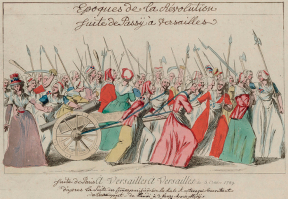
Luke Rimmo Loyi Lego explores the role of women in the French Revolution, and how their challenges to traditional gender roles laid the foundations for the modern feminist movement. The study of the French Revolution is often restricted to its impact on the Enlightenment ideas of influential men such as...
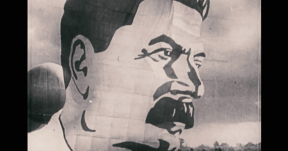
Professor Matthew Stibbe assesses some of the contradictory factors at play in East Germany and how that related to the wider Soviet system. He contrasts this with the development of the capitalist system that was being developed in West Germany.
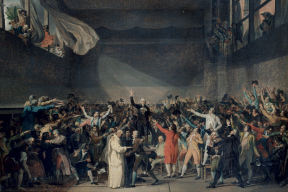
Many pupils love the Horrible Histories books, television programmes and songs. Over the years a number of A-level pupils have proudly told me that it was Horrible Histories that sparked their love of the subject, and they are quick to recite the songs word for word! But it is also...
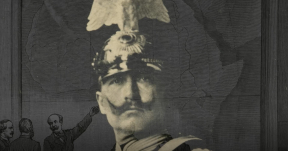
The rise and fall of Germany in the 20th Century is one of the major political arcs of the modern period, and one that many feel familiar with – from the unification of the Germanic states, the defeat of the Kaiser in 1918, revolution, a weak Weimar Republic all the...
Log in below to preview the introductory film - available to all registered users of the website. This open access introductory film forms part of our nine-part filmed series on the development of power and authority in Germany 1871-1991 available through the Student Zone with corporate secondary membership. In this...
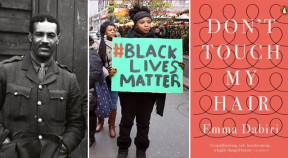
In this article, Dan Lyndon-Cohen makes the case that history departments should move from diversifying the curriculum to decolonising it. After reflecting on some examples of how he made the content of his lessons more representative, he explores how the influence of writers such as Michel-Rolph Trouillot and Emma Dabiri...
International Journal of Historical Learning, Teaching and Research [IJHLTR], Volume 15, Number 1 – Autumn/Winter 2017ISSN: 14472-9474 Abstract The students’ prior knowledge is considered to be a factor of paramount importance to the learning process, particularly when teaching history in a diverse and multicultural learning environment. This paper explores the...
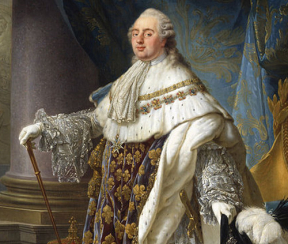
On the night of 20 June 1791 a portly middle-aged man, dressed inconspicuously in brown, with a dark green overcoat and his hair covered by a grey wig, walked out of the Tuileries palace past the guards. For the past 12 nights the Chevalier de Coigny, dressed in a similar...
Radicalism with a large "R", unlike Conservatism with a large "C" and Liberalism with a large "L", is not a historical term of even proximate precision. There was never a Radical Party with a national organization, local associations, or a treasury. But there were, and there are, "Radicals", generally qualified...
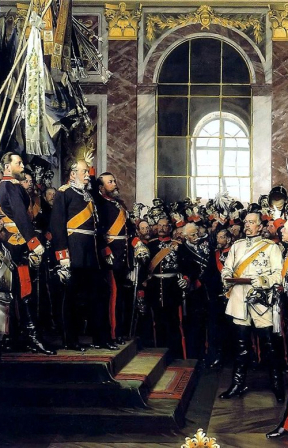
This notable essay by Dr. Erich Eyck, the most distinguished Bismarckian scholar of the mid-twentieth century was written on the invitation of the HA to commemorate the 50th anniversary of Bismark's death. Dr. Eyck, a German Liberal of the school of Ludwig Bamberger, found his way to England in the...
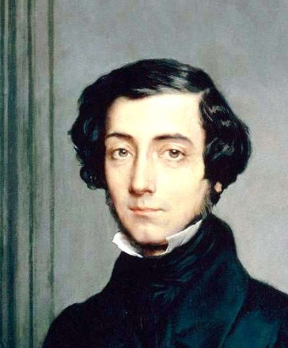
This podcast feature Professor Mark Philp of the University of Warwick discussing how people's perceptions of democracy changed between 1750 and 1850 and is based on the findings of the Re-imagining democracy project, begun in 2005 by Joanna Innes and Mark Philp. Re-imagining Democracy: 1750-1850 1. Introduction. Democracy from negative...
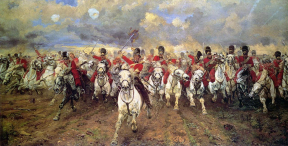
John Morewood explores the events of 18 June 1815 in detail and asks just how accurate is our view of what happened on the field of Waterloo. Summary Waterloo is the most famous battle in a four-battle campaign fought from 15 June to 19 June 1815. On one side were...
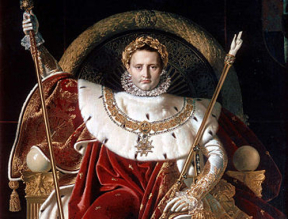
On 18 June 2015, the two-hundredth anniversary of the great battle of Waterloo will be commemorated in Britain and on the continent (though not in France). It will represent the climax of the Napoleonic bicentenary, which has been in full flow since the turn of the twenty-first century. Fresh biographies...
The French Revolution raises many questions not least: What sort of Revolution was it - one of "poverty" or "prosperity" ? a bourgeois revolution that overthrew feudalism? A national struggle for liberty, democracy, or "eternal Justice" ? or, again, a criminal conspiracy against the old social order? What did it...