

Planning
This section organises material on Key Stage 3 planning into three categories. In KS3 planning: general, you will find general advice on planning in the lower secondary years. This includes examples of how history teachers and other history education experts have planned everything from single activities and lessons to two or three years of work. You will find examples of planning for local history in KS3 planning: local history. The third category, KS3 planning: Learning outside the classroom embraces fieldwork of all kinds, from studying landscape and cities, to museums, galleries and memorials, as well as inter-school activities, work with outside organisations and assorted international collaborations, real and virtual. Read more
Sort by:
Date (Newest first) | Title A-Z
Show:
All |
Articles |
Podcasts |
Multipage Articles
-
Planning a more diverse and coherent Year 7 curriculum
ArticleClick to view -
Broadening and deepening narratives of Benin for Year 8
ArticleClick to view -
Deepening Year 9’s knowledge for better causation arguments
ArticleClick to view -

‘One big cake’: substantive knowledge of the mid-Tudor crisis in Year 7 students’ writing
ArticleClick to view -

Move Me On 182: thinks that substantive knowledge is all that matters
ArticleClick to view -
Year 9 use sources to explore contemporary meanings and understandings of appeasement
ArticleClick to view -
No more ‘doing’ diversity
ArticleClick to view -
Film: Picturing the past (and the future)
ArticleClick to view -

Cunning Plan 178: How far did Anglo-Saxon England survive the Norman Conquest?
ArticleClick to view -
Unravelling the complexity of the causes of British abolition with Year 8
ArticleClick to view -
Film: Preparing a history department for the new inspection framework
ArticleClick to view -
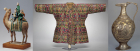
Historical scholarship, archaeology and evidence in Year 7
ArticleClick to view -
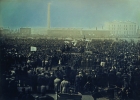
Teaching Year 8 pupils to take seriously the ideas of ordinary people from the past
ArticleClick to view -
Using narratives and big pictures to address the challenges of a 2-year KS3 curriculum
ArticleClick to view -

Harnessing the power of community to expand students’ historical horizons
ArticleClick to view -
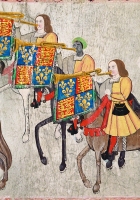
Widening the early modern world to create a more connected KS3 curriculum
ArticleClick to view -

Enquiry questions that both chime and resonate
ArticleClick to view -
Planning increasingly complex causal models at Key Stage 3
ArticleClick to view -

Teaching Year 9 to take on the challenge of structure in narrative
ArticleClick to view -
How should women’s history be included at Key Stage 3?
ArticleClick to view