
Europe
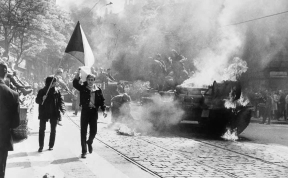
In this discussion of the twentieth century, Martin Conway considers the implications of linking notions of military conflict and division with the emergence of modernity. The idea of World War II as the distinct dividing line between the present and past, and the ways in which it began a time...
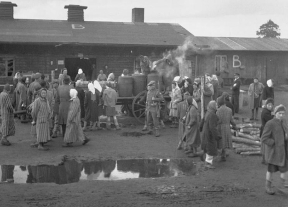
Holocaust Memorial Day (HMD) takes place on 27 January each year, the date in 1945 when the Soviet army entered Auschwitz and liberated more than 7,000 remaining prisoners. It is a time to remember the millions of people murdered during the Holocaust, under Nazi Persecution and in the genocides which...
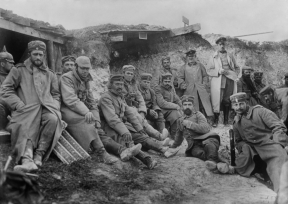
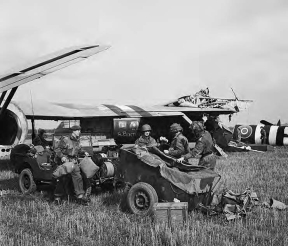
2019 has been quite a year for historical anniversaries – Peterloo 200, D-Day 75, Monte Cassino 75, Women MPs 100 years, Apollo Moon Landings 50 years and all following on the tail of four years of the First World War centenary – and that is not counting the anniversaries that...
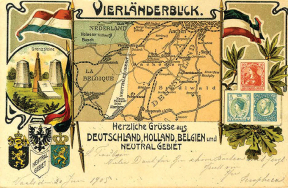
Wim van Schijndel explores the intriguing story of Moresnet, a tiny enclave in Europe that existed from 1816 until 1920 between the Netherlands, Belgium and Germany, until it was finally annexed by Belgium at the time of the Treaty of Versailles. A big part of our modern-day society is based...
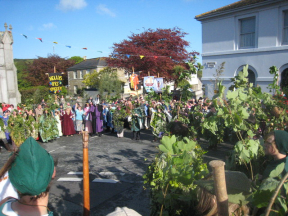
Trevor James raises the prospect of broadening our approaches to local history to take a wider European perspective. When Professor W. G. Hoskins published his The Making of the English Landscape in 1955, he taught us how to observe and understand the topography of our landscapes, urban and rural, and...
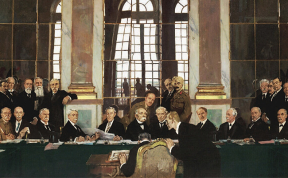
Over the last five years the Historical Association has run a regular feature in this journal about the First World War from some lesser-known perspectives. Its purpose has been to capture some of the stories not always told about that life-changing, society-transforming conflict. As the centenary of the Armistice has...
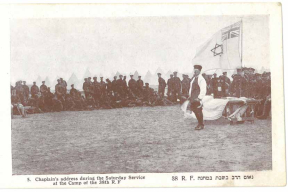
Jewish service in the UK military forces can be traced back over 300 years. During the First World War that service was demonstrated into the tens of thousands. In this article the contribution of Anglo-Jewry is brought to light.
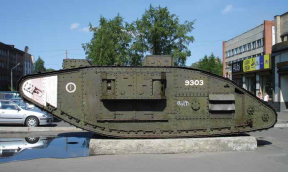
Travelling from the Western Front to fight former Allies in Russia is not the usual story of 1919 for a British ‘Tommy’. Yet that was the story of some of those men still serving King and Country. On 9 January 1918 the supplement to The London Gazette, an official paper...
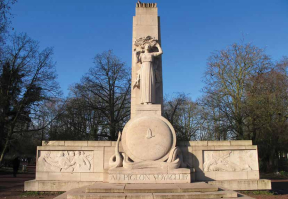
Trevor James emphasises the role and importance of ‘messenger’ pigeons on the Western Front. Amidst the one-hundredth anniversary commemorations of the ending of the Great War, there has been a sudden burst of interest, in such varying locations as both Houses of Parliament and the Antiques Roadshow, in the role...
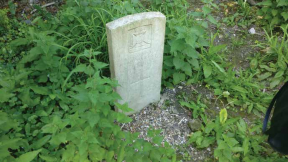
Richard Broadhead provides a personal view on whether the mammoth task of the Commonwealth War Graves Commission can always be fulfilled, especially at a time of so many anniversaries.
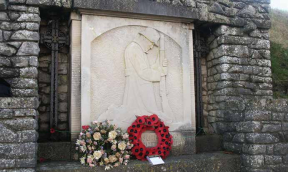
Dave Martin investigates why there is a war memorial for German soldiers, ‘buried in a foreign field’, in a Dorset churchyard.
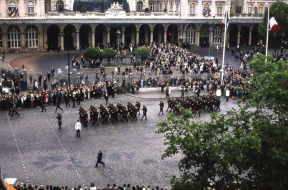
Just over 50 years ago, Chris Wrigley, a past President of the Historical Association, while a sixth-former, witnessed a highly significant historic re-enactment in Paris to mark the anniversary of the start of the Great War.
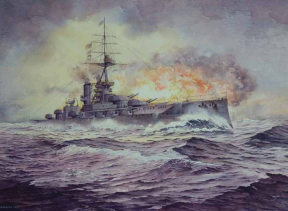
This local study by Steve Doe draws together the human effects of what happened at the Battle of Jutland in June 1916 with accounts of how the families of those who fought in the battle and the wider local community dealt with the tragedy.
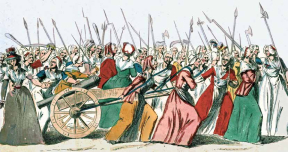
Malcolm Crook discusses why it was so difficult to end the most famous revolution of the eighteenth century and why it led to bloodshed and absolutism.
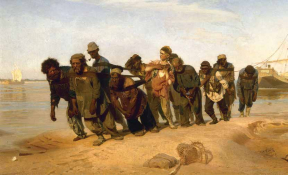
Peter Waldron explores the role of art in communicating to the masses the ideas of politics and change in Bolshevik Russia.
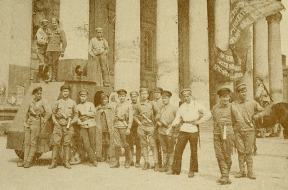
Sarah Badcock sheds light on how ordinary Russians responded to the revolutions of 1917 that sought to change their lot and bring them freedom.
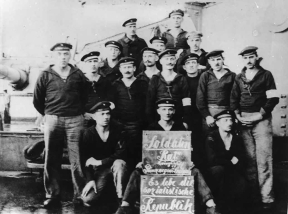
Simon Constantine examines the clashes between the Left and Right of Germany’s new Republic that helped to create the environment for future extremism and hatred.
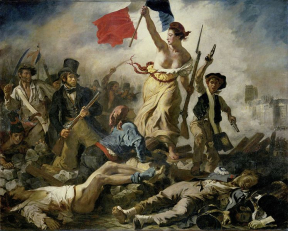
This podcast series was commissioned as part of the HA’s education programme on the Age of Revolutions period, funded by the Age of Revolution legacy project. They were recorded with leading academic historians and are intended to shed light on a variety of perspectives on the period. These podcasts were...
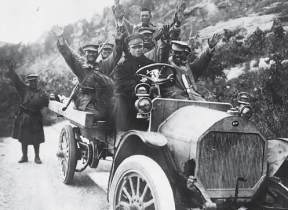
Daniel Steinbach asks why the loss of the German colonies in Africa was perceived as a powerful symbol of Germany’s deliberate humiliation at the end of the First World War. Famously, Germany’s first and last shots of the First World War were fired in Africa. From its beginning to its...