
Europe
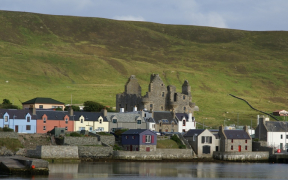
The Shetland Bus operation may be considered successful in that it supplied Norwegian resistance movements with weapons and took many refugees from Norway to Shetland, and that it managed to bind just shy of 300,000 German troops in Norway. However, because of this operation, forty-four men lost their lives, and...
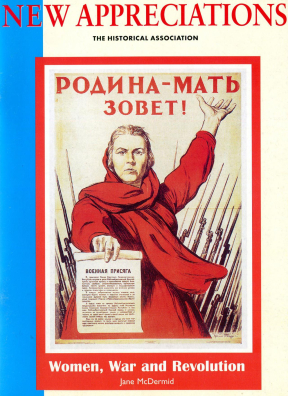
On the surface, the period 1914 to 1945 seems to have encompassed massive changes in the position of women in Europe, in response to the demands of war and revolution. Yet historians have questioned the extent of the transformation, since the acquisition of the vote, as well as improvements in...
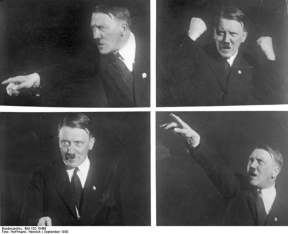
This pamphlet provides a detailed account of the events leading up to the outbreak of war in 1939, covering the various factors that played a role in the outbreak of war such as tension over Poland and the Spanish Civil War, as well as the nature and effect of diplomatic...
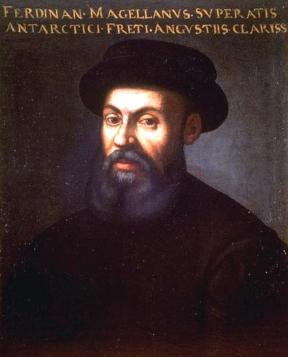
This pamphlet covers a very large period of history in a very important region with great detail and focus. Themes that are covered include the transition of power and dominance in the pacific region, the conflicts that frequently arose in the struggle for pacific dominance throughout the centuries, as well...

Bettany Hughes Norton Medlicott Medal Winner Lecture In 1991 I travelled to the BBC for a meeting with a senior television producer. It seemed to me that history just wasn't getting a fair crack of the whip. I talked animatedly about the on-screen discoveries that could be made and the...
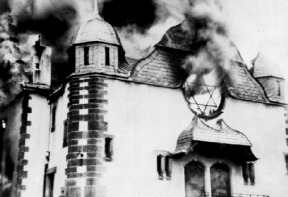
Why Reichskristallnacht? In The Third Reich Michael Burleigh writes: ‘We should be cautious in seeing spontaneity where frequency suggests instigation from a central source.' He comments on ‘a dialectic between "spontaneous" grassroot actions and "followup" state sponsored measures.' These remarks relate to 1935, the time of the Nuremberg Laws [the...
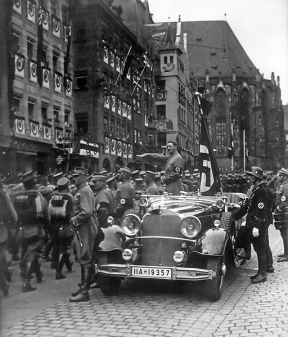
Read more like this: Nazism and Stalinism Fascism in Europe 1919-1945 Kristallnacht Anti-semitism and the Holocaust The Coming of War in 1939 Political internment without trial in wartime Britain Neville Chamberlain: villain or hero? The Mechanical Battle of Britain Since the 1960s, there have been two main schools of thought...
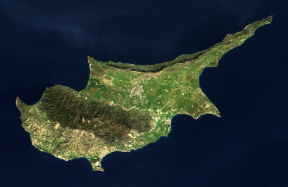
Although Cyprus, the third largest Mediterranean island, remained nominally under Turkish suzerainty until 1914, the British were established there after the 1878 Congress of Berlin. The idea then was that, from this base, Britain could protect Turkey against threats from Russia, while ensuring that the Turks reformed their treatment of...
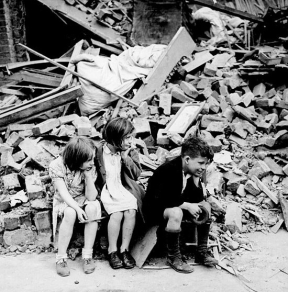
I. The Legacy of Versailles The Outbreak of a second world war on 1 September 1939 might have been expected to produce in due course a great controversy on ‘war guilt'. But there has been nothing comparable with the debate which took place during the 1920s on the 1914 issues....
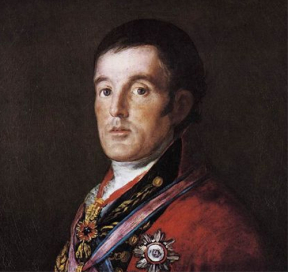
We can do all kinds of things with the past - examine it analytically, or question whether it ever existed, or churn it up inside ourselves until it turns into personal experience. We can dream it as we lounge amidst a heap of ruins, or petrify it into a museum;...
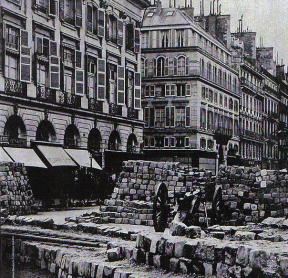
Although a century has passed since the red flag flew for 72 days over the twenty town halls of Paris, the 1871 Commune de Paris cannot be said to belong primarily to historians. The picture of the Communards 'storming the gates of heaven' continues to serve both as a model...
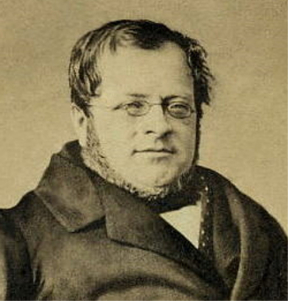
It may seem a little perverse to write a pamphlet on Cavour in 1972, the centenary year of the death of Mazzini, but no doubt there will be more than one publication on Mazzini to mark the occasion. To pretend that the two men had much in common would be...
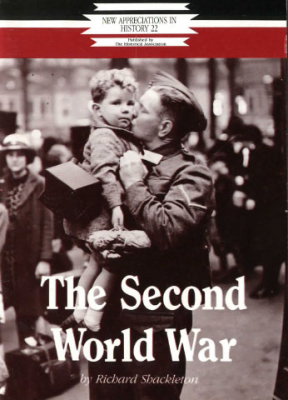
On 5 September 1939 the German Führer, Adolf Hitler, paid a surprise visit to the corps which was in the forefront of his army's ferocious assault upon Poland. As they passed the remains of a smashed Polish artillery regiment, the corps commander, General Guderian, astonished Hitler by telling him that...
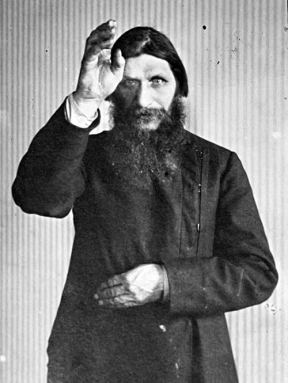
Has the role of Alexandra and Rasputin in the downfall of the Romanovs been exaggerated out of all proportion? If a country is defeated in war, the rulers run the risk of being overthrown. In 1918 the Kaiser left Germany for Holland, Germany became a Republic; the Austro-Hungarian Empire came...
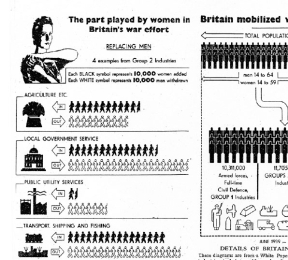
One of the gifts of the social sciences to history is the use of expository diagrams; but attention is rarely given to the history of diagrams. Maps - schematized representations of locations in spatial relation to one another - can be dated back to Babylonia in the late third millennium...
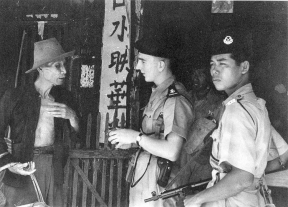
‘To think that the people of Indochina would be content to settle for less [from the French] than Indonesia has gained from the Dutch or India from the British is to underestimate the power of the forces that are sweeping Asia today'. An American adviser in 1949 cited: Robin Jeffrey...
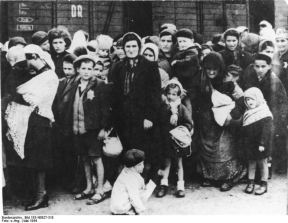
Daniel Goldhagen defines anti-semitism as ‘negative beliefs and emotions about Jews qua Jews.' Nazis believed Jews to be the source of Germany's misfortunes, and that they must be denied German citizenship and removed from German society. Hitler never compromised on the need to settle what he regarded as the Jewish...
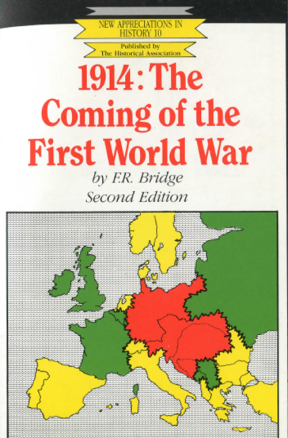
This pamphlet argues that the outbreak of the First World War represented not so much the culmination of a long process started by Bismarck and his successors, as the relatively sudden breakdown of a system that had in fact preserved the peace and contained the dangerous Eastern Question for over...
This Classic Pamphlet first published in 1970 comes with a new introduction written by the author M. E. Chamberlain.The New Imperialism - Introduction by M. E. Chamberlain Professor Emeritus at Swansea University. May 2010.When this pamphlet was first published imperialism was a hot political topic and battle raged between Marxist...
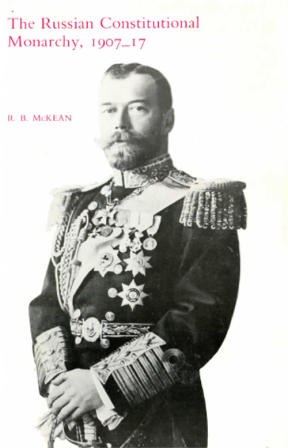
The defeat of the revolution of 1905 afforded the absolutist Tsarist monarchy an opportunity to reform the administration and to seek a new basis of support in place of the declining gentry class. Historians have been divided ever since over the constitutional system's chances of success. Had Tsardom advanced far...