The Tudors

A popular unit of study in Key Stage 2 has in the past been the Tudors. It is possible to continue to study the Tudors through either a local study or through a unit of study beyond 1066, although the emphasis now shifts to the Tudors representing a turning point. Given that this period saw the Reformation, 6 wives and the first female queen ruling in her own right, turning points are not difficult to find. In this section, you will find articles and resources to help you to plan to teach the Tudor period as a local study or turning point. 

Sort by: Date (Newest first) | Title A-Z
Show: All | Articles | Podcasts | Multipage Articles
  • Artificial intelligence’s ChatGPT program: a powerful tool for teaching 7- to 11-year-olds history

    Article

    This article is free to everyone. For access to hundreds of other high-quality resources by primary history experts along with free or discounted CPD and membership of a thriving community of teachers and subject leaders, join the Historical Association today In Jon Nichol’s ‘Voice from the past’, he considers how...

    Click to view
  • Using inventories in Key Stage 2 history

    Article

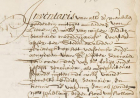
    Continuing the focus on using historical sources, this article by Clare Lally introduces us to the use of historical inventories. Using examples from the Tudor period, Clare considers how inventories can be used to explore diversity of experience between rich and poor. At every stage of historical enquiry, from primary...

    Click to view
  • Teaching the Wars of the Roses in primary history

    Article

    The Tudors is a relatively popular topic for those Key Stage 2 teachers looking at a theme extending beyond 1066. In this article Matthew Sossick argues that there is a large gap in understanding if pupils understand nothing of how the Tudors emerged as such a dominant dynasty. This means...

    Click to view
  • Teaching about ‘these islands’ since 1066

    Article

    This article builds on an earlier publication in Primary History Issue 89 which considered the history of ‘these islands’ before 1066 in the primary history curriculum. Both articles address the first aim of the National Curriculum which indicates that children should:  know and understand the history of these islands as...

    Click to view
  • Exploring the spices of the east: how curry got to our table

    Article

    Every migrant to our shores brings with them the flavours and dishes of home, every trader searches for exotic and exciting new taste sensations. Britain’s culinary history has been shaped by migration, trade and empire. How curry, exploration and empire building are linked At the end of the Tudor period...

    Click to view
  • Film: Henry VIII and Tudor Royal Authority

    Article

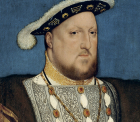
    In this film, Tracy Borman, discusses the life and career of Henry VIII. Tracy examines how Henry VIII evolved from a pleasure loving prince, raised as Henry VII's 'spare heir', to becoming a king who would come to redefine England as a nation.

    Click to view
  • Local significant individuals

    Multipage Article

    The National Curriculum specifies a local study both at Key Stages 1 and 2. Basing your local study around an individual is a great way to bring the heritage of your locality to life. Many of these individuals are part of larger national events and changes and seeing these changes at...

    Click to view
  • Primary Scheme of Work: The Elizabethans

    Article

    This unit provides children the opportunity to look at Elizabethan times as an aspect of British history that extends pupils' chronological knowledge beyond 1066. This unit is supported by the following article: Bracey, P. (2018) The Elizabethans. All Banquets and fun? Primary History 80 (NB available to HA members only) Key vocabulary:...

    Click to view
  • Film: Mary I and Tudor Royal Authority

    Article

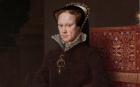
    In this film Dr Anna Whitelock from Royal Holloway, University of London, discusses the life of Mary I, the first crowned Queen of England. Dr Whitelock looks at Mary's difficult early life, her submission to Henry VIII and the rise of a warrior princess. Dr Whitelock explores Mary as a courageous...

    Click to view
  • Film: Domestic Politics and Tudor Royal Authority – discussion

    Article

    In this film Professor Sue Doran, Jesus College, University of Oxford and Professor Steven Gunn, Merton College, University of Oxford, discuss the impact that domestic politics and rebellion had on Tudor Royal Authority and the development of domestic policy. If you're unable to see the film below, please use the link for your Membership...

    Click to view
  • Film: Foreign Relations and Tudor Royal Authority – discussion

    Article

    In this film Professor Sue Doran, Jesus College, University of Oxford and Professor Steven Gunn, Merton College, University of Oxford discuss the role foreign relations played in Tudor royal authority and the amount of power Tudor monarchs were able to exercise. The film will explore common threads and differences in foreign policy...

    Click to view
  • Film: Religion and Tudor Royal Authority – discussion

    Article

    In this film Professor Sue Doran, Jesus College, University of Oxford and Professor Steven Gunn, Merton College, University of Oxford, look at the role religion played in defining the reigns and authority of the Tudor monarchs. If you're unable to see the film below, please use the link for your Membership type:Historian...

    Click to view
  • Film: The significance of advisers – discussion

    Article

    In this film Professor Sue Doran, Jesus College, University of Oxford and Professor Steven Gunn, Merton College, University of Oxford examine the role and importance of royal advisers to the developement of Tudor Royal Authority. If you're unable to see the film below, please use the link for your Membership type:Historian members |...

    Click to view
  • Film: Personality and Tudor Royal Authority – discussion

    Article

    In this film Professor Sue Doran, Jesus College, University of Oxford and Professor Steven Gunn, Merton College, University of Oxford discuss the role and significance of 'personality' to Tudor Royal Authority. If you're unable to see the film below, please use the link for your Membership type:Historian members | Primary members |...

    Click to view
  • Film: Elizabeth I and Tudor Royal Authority

    Article

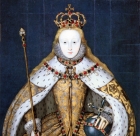
    In this film, Professor Sue Doran, Jesus College, University of Oxford, looks at the two main challenges to Elizabeth I's authority: gender and religion. Professor Doran looks at the power of Elizabeth's personality, her relationship with her advisers plus the significance of religion and domestics politics to shaping her reign and...

    Click to view
  • Film: Edward VI and Tudor Royal Authority

    Article

    In this film Professor Steven Gunn, Merton College, University of Oxford, looks at the reign of Edward VI and examines the impact his youth had to his authority, the importance of advisers in shaping his rule and the significance of religion and foreign relations in defining his legacy. If you're unable to...

    Click to view
  • Film: Henry VII and Tudor Royal Authority

    Article

    In this film Professor Steven Gunn, Merton College, University of Oxford, looks at the life and reign of Henry VII and examines the role and significance of religion, foreign relations, domestic politics and the nobility on Henry's establishment of the Tudor dynasty. If you're unable to see the film below, please use...

    Click to view
  • Film series: Tudor Royal Authority

    Article

    In this film, Professor Sue Doran, Jesus College, University of Oxford, discusses provides an overview of how Tudor Royal Authority developed and evolved from the first Tudor King, Henry VII, to the final Tudor Queen, Elizabeth I.

    Click to view
  • Scheme of Work: Grace O'Malley

    Article

    This unit encourages pupils to explore the past by examining their ideas about pirates, with particular reference to Grace O’Malley. The key question leads children to consider what are the characteristics of a pirate and to challenge stereotypes in the light of historical enquiry. The key question also leads to...

    Click to view
  • Strange goings-on: exploring the benefits of learning history through outdoor pedagogy

    Article

    Learning history outside the classroom has tremendous benefits. This article looks at one such example where children can get an immersive, residential historical experience. This not only provides a memorable learning experience, but the combination of an evocative setting, together with carefully crafted activities taught using an outdoor pedagogy, allows...

    Click to view