
Britain & Ireland

An au revoir but not goodbye from outgoing HA President Professor Jackie Eales Jackie Eales has been an enthusiastic President for the last three years who has been very happy to visit many of the branches to give lectures and to assist in key HA events.Jackie's lectures at the HA...
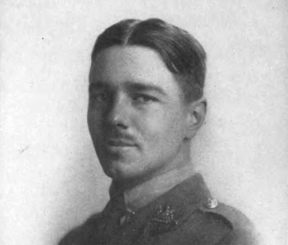
The Writing the First World War event in partnership with the English Association and the British Library took place at the British Library in London on April 14th. Over 80 teachers attended a wonderful day of stimulating professional development which was kicked off by a thought provoking take on how...
This year the Historical Association's Medlicott medal for services to history went to Professor Sir Richard Evans. Richard Evans is the Regius Professor of History at Cambridge and President of Wolfson College, Cambridge. He has written numerous highly respected and internationally best-selling books. Evans is bests known for his works...
Gary Sheffield, Professor of War studies, the University of Wolverhampton, is one of the UK's foremost historians on the First World War. He is the author of numerous books and previously held posts at the University of Birmingham and the Royal Military Academy Sandhurst. In April 2014 he spoke at...
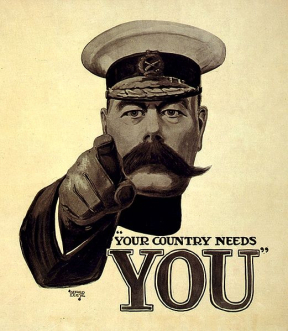
We are delighted to have an original article by Gary Sheffield in this edition of The Historian. Gary Sheffield is Professor of War Studies, University of Wolverhampton. He is a specialist on Britain at war 1914-45 and is one of Britain's foremost historians on the First World War. He has...
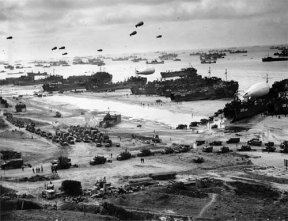
This year it was the 70th anniversary of D-Day. The world's politicians and media went into overdrive about it. The BBC dedicated a whole day to the coverage, mainly live from Normandy while small events took place around the UK. For a whole day the upcoming centenary of the First...
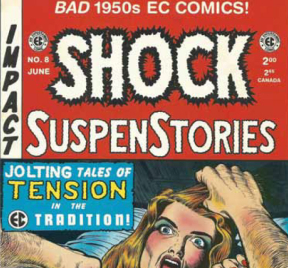
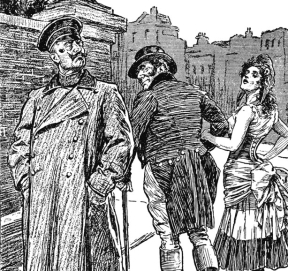
In 1866 the Select Committee on Theatrical Licenses and Regulations questioned Inspector Richard Reason: Col. Stuart: What is the class of people who go [to penny theatres]?[Police] Inspector Richard Reason: I should think there is a great number of the criminal class, and some of the children of the working...
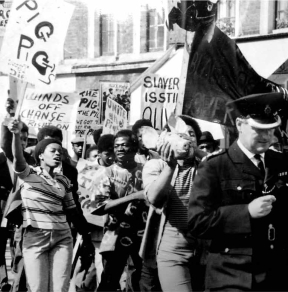
History is rarely far removed from today's concerns. What is true of history in general is true of biography; specifically. Darcus Howe: a political biography is no exception. In writing it, we were consciously intervening in current debates about Britain and ‘race'. The impetus to write emerged in 2008 during...
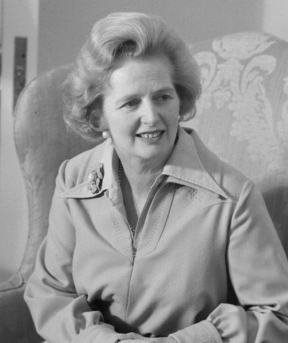
Last year marked the deaths of two world-renowned historical figures - Margaret Thatcher and Nelson Mandela. Their obituaries reflected the marked contrast in the way the pair were viewed. Mandela ended up by being universally admired, while Thatcher was both adored and despised in seemingly equal measure. Writer Nigel Starck...
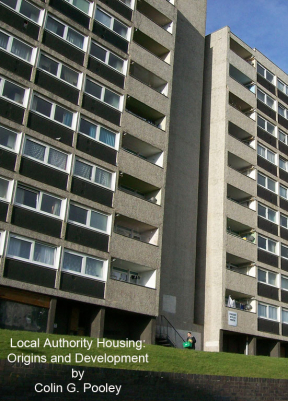
Local authority housing has been a distinctive feature of the British housing system throughout the twentieth century. This pamphlet outlines the development of local authority housing in Britain from its origins in the late nineteenth century to the present day, focusing on the ways in which policy changes have affected...
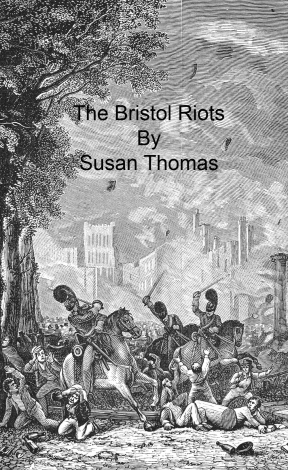
In 1831, Bristol suffered the worst outbreak of urban rioting since the Gordon Riots in London over fifty years earlier. Twelve rioters were officially declared to have died as a result of confrontations with troops and special constables, and many more unidentifiable corpses were discovered among the ruins of the...
The history of domestic service in England has yet to be written. Hewers of wood and drawers of water there have always been, but historians have usually been little concerned with them. The material for their history is scattered and difficult to assess; even the word ‘servant' is not easy...
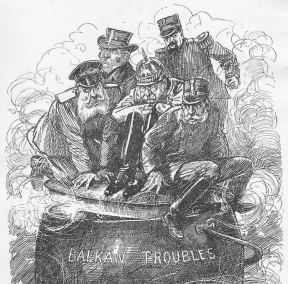
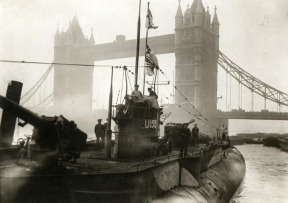
The First World War broke out suddenly and unexpectedly in midsummer 1914, following the murder of the Archduke Francis Ferdinand of Hapsburg, heir to the throne of Austria-Hungary, at Sarajevo, in Bosnia, on 28 June. Since no war involving the European great powers had occurred since 1871, the possibility of...
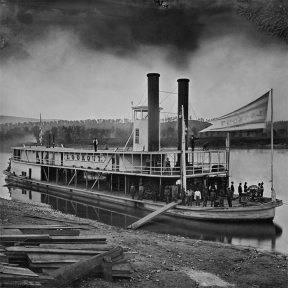
From the time when primitive man first went adrift on a bundle of reeds or learnt to balance himself on a floating log, to the days where his descendants, no more than a few generations ago, raced scrambling aloft to trim the towering sails of a full-rigged ship, the skill...
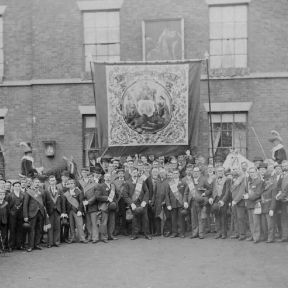
Friendly societies were designed to help members to cope with the illness, death or unemployment of a household's breadwinner. Each month members, mostly men, paid into the society, often at a meeting in a pub and in return payments from the pooled funds were made to ill members and to...
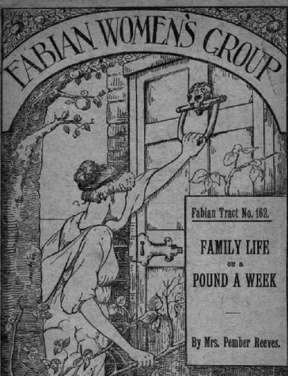
In this edition, we begin a new occasional feature, where we explore a classic text that had a major impact both at the time it was published, and since. Alf Wilkinson discusses a book first published in 1913, and still in print, and explains why he thinks it is as...
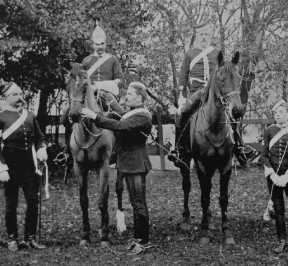
The Territorial Force, as formed in 1908, had 54 cavalry regiments organised in 14 brigades and known collectively as the Yeomanry. This meant that the Yeomanry consisted of 1,168 officers and 23,049 other ranks in September 1913 out of a Territorial Force which numbered 9,390 officers and 236,389 other ranks....
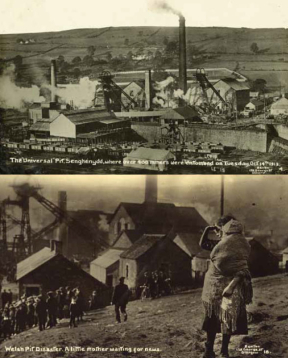
Alf Wilkinson explores Britain's biggest coal mining disaster, at Senghenydd Colliery, in South Wales, in October 1913. At ten past eight in the morning of Tuesday 14 October 1913, just after 900 men had started work underground, an explosion ripped through Senghenydd Colliery, near Caerphilly, killing 439 miners and, later...
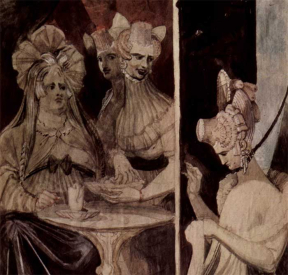
Petticoat Politicians: Women and the Politics of the Parish in England The history of women voting in Britain is familiar to many. 2013 marked the centenary of the zenith of the militant female suffrage movement, culminating in the tragic death of Emily Wilding Davison, crushed by the King's horse at...
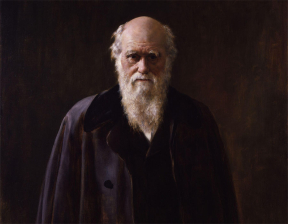
In this set of podcasts Project Director Professor Jim Secord and Associate Director Dr Alison Pearn of the Darwin Correspondence Project discuss the life, work and legacy of Charles Darwin.