
World
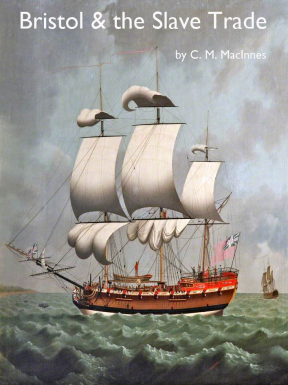
Captain Thomas Wyndham of Marshfield Park in Somerset was on voyage to Barbary where he sailed from Kingroad, near Bristol, with three ships full of goods and slaves thus beginning the association of African Trade and Bristol. In the late sixteenth and seventeenth centuries, Bristol was not a place of...
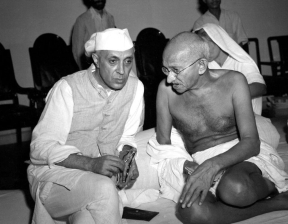
An HA Podcasted History of the British Empire 1800-Present featuring Dr Seán Lang of Anglia Ruskin University, Dr John Stuart of Kingston University London, Professor A. J. Stockwell and Dr Larry Butler of the University of East Anglia.
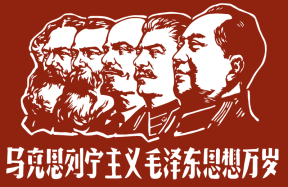
An HA Podcasted History of Modern China featuring Dr Yangwen Zeng of the University of Manchester, Professor Rana Mitter and Professor Patricia Thornton of the University of Oxford and Professor Arne Westad of the London School of Economics.
In this podcast Professor Edward MacDonald of the University of Prince Edward Island discusses the origins of the Charlottetown Conference of 1864, Canadian Confederation and the development of Canada over the 20th Century.
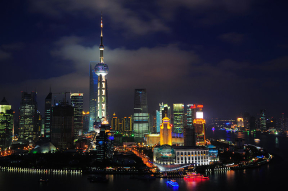
Michael T. Davis compares the parallels between the democratic expectations, or possibilities, of modern-day China with Britain's democratic evolution from the eighteenth century to the emerging democracy of the nineteenth century. The future is an unfamiliar place for historians. Yet we stand on the edge of an historic shift away...
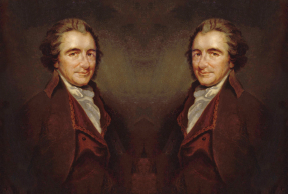
In this set of podcasts Emeritus Professor W. A. Speck of the University of Leeds looks at the life and ideas of Thomas Paine.
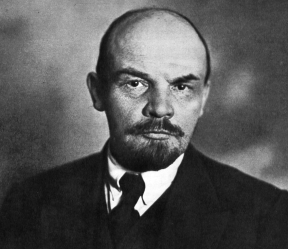
An HA Podcasted History of Russia and the USSR featuring Dr Beryl Williams, Dr Jonathan Davis of Anglia Ruskin University, Dr Edwin Bacon of Birkbeck University of London and Professor Peter Waldron of the University of East Anglia.
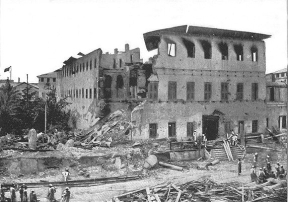
At 9am on 27 August 1896, following an ultimatum, five ships of the Royal Navy began a bombardment of the Royal Palace and Harem in Zanzibar. Thirty-eight, or 40, or 43 minutes later, depending on which source you believe, the bombardment stopped when the white flag of surrender was raised...
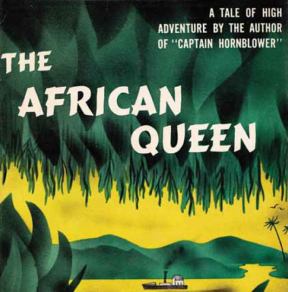
Where fact and fiction intercept: the story of The African Queen(s) by C.S. Forester When the Königin Luise was hull down over the horizon and the dhow was close in-shore the lieutenant left his post and went down to the jetty to meet his senior officer. The dhow ran briskly...
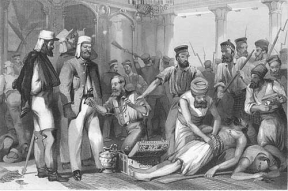
Harrison's booklet takes an evaluative look, at not just the effects of the Indian Mutiny on Indo-British history, but at the reporting of this event over the years. He begins with a look at the prejudices of British writers and British historians' attitude towards the mutiny, highlighting the flawed confidence...
The Writing the First World War event in partnership with the English Association and the British Library took place at the British Library in London on April 14th. Over 80 teachers attended a wonderful day of stimulating professional development which was kicked off by a thought provoking take on how...
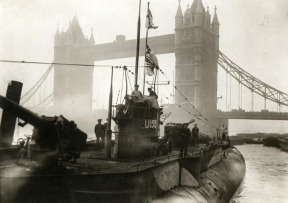
This year the Historical Association's Medlicott medal for services to history went to Professor Sir Richard Evans. Richard Evans is the Regius Professor of History at Cambridge and President of Wolfson College, Cambridge. He has written numerous highly respected and internationally best-selling books. Evans is bests known for his works...
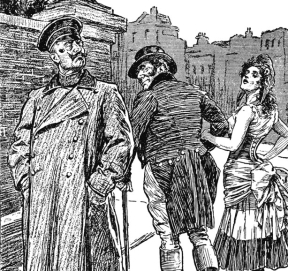
Gary Sheffield, Professor of War studies, the University of Wolverhampton, is one of the UK's foremost historians on the First World War. He is the author of numerous books and previously held posts at the University of Birmingham and the Royal Military Academy Sandhurst. In April 2014 he spoke at...
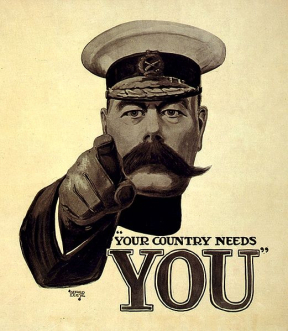
We are delighted to have an original article by Gary Sheffield in this edition of The Historian. Gary Sheffield is Professor of War Studies, University of Wolverhampton. He is a specialist on Britain at war 1914-45 and is one of Britain's foremost historians on the First World War. He has...
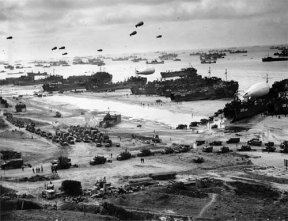
This year it was the 70th anniversary of D-Day. The world's politicians and media went into overdrive about it. The BBC dedicated a whole day to the coverage, mainly live from Normandy while small events took place around the UK. For a whole day the upcoming centenary of the First...
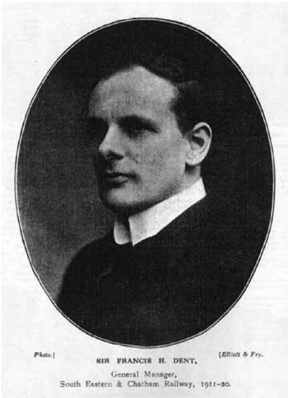
Not your typical soldier, not your typical service The term ‘citizen soldier' evokes a particularly powerful image in Britain. The poignant histories of the ‘Pals' Battalions' cast a familiar, often tragic shadow over the popular memory of the First World War. Raised according to geographical and occupational connections, names such...
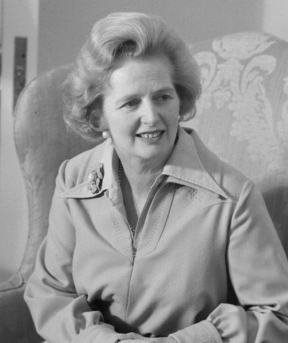
Last year marked the deaths of two world-renowned historical figures - Margaret Thatcher and Nelson Mandela. Their obituaries reflected the marked contrast in the way the pair were viewed. Mandela ended up by being universally admired, while Thatcher was both adored and despised in seemingly equal measure. Writer Nigel Starck...
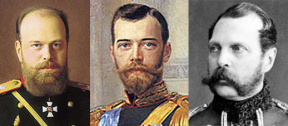
The spring of 2013 was unusually significant for devotees of the Romanov dynasty. Though there was little international recognition of the fact, the season marked the 400th anniversary of the accession of Russia's first Romanov tsar. Historically, the story was a most dramatic one, for Mikhail Fedorovich had not seized...
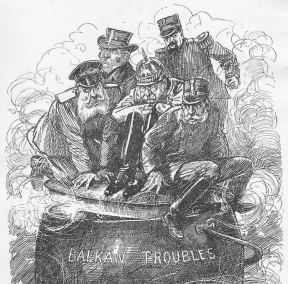
The First World War broke out suddenly and unexpectedly in midsummer 1914, following the murder of the Archduke Francis Ferdinand of Hapsburg, heir to the throne of Austria-Hungary, at Sarajevo, in Bosnia, on 28 June. Since no war involving the European great powers had occurred since 1871, the possibility of...
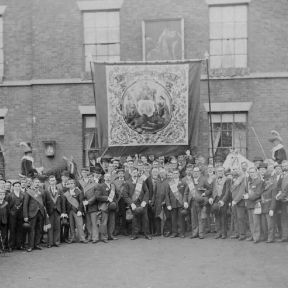
Friendly societies were designed to help members to cope with the illness, death or unemployment of a household's breadwinner. Each month members, mostly men, paid into the society, often at a meeting in a pub and in return payments from the pooled funds were made to ill members and to...