
World
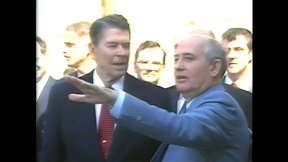
Professor Archie Brown discusses how Gorbachev fundamentally reformed Soviet foreign policy, redefined relations with the West, fostered closer personal relationships with former adversaries and how he transformed the Cold War world. He examines Gorbachev's policy towards Eastern Europe and the fall of the Iron Curtain, and looks at how his...
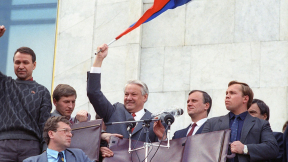
Professor Archie Brown looks at the forces that led to Gorbachev's eventual downfall. He also examines the coup in 1991, the rise of Boris Yeltsin and the subsequent breakup of the Soviet Union. This film is part of our film series that looks at Russian history through the lens of...
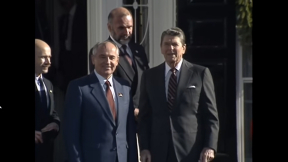
Mikhail Gorbachev’s leadership and period in office is remembered differently in different parts of the world. Professor Archie Brown discusses the different interpretations the have developed in the West and in Russia to Gorbachev and his legacy. He describes the impact and development of Post-Soviet Russia and how this has...
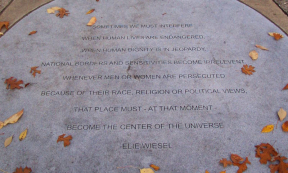
The Nazis came to power in 1933 with an openly racist and antisemitic set of policies. In the years leading up to the start of the Second World War, those policies were carried out through legislation and governmental actions, with the support of many members of German society. Once the...
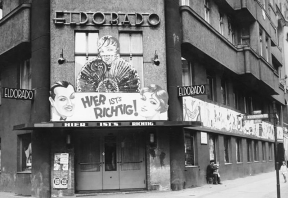
The modern gay-rights movement has its origins in a 1960s New York ‘bottle bar’, but as Ben Jerrit explains, drinking establishments have been centres of gay culture and social resistance for centuries.
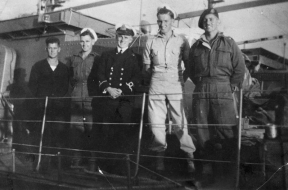
The Spirit of Normandy Trust Essay Competition is aimed at young historians and organised by the Historical Association (as part of the annual Young Historian Awards). The 2023 winner in the Key Stage 3 (lower secondary school) category is Ayan Sinha, a pupil at Queen Elizabeth Grammar School in Wakefield....
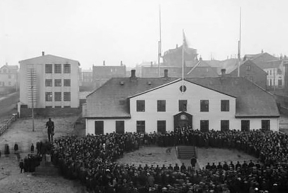
As it sought independence, Iceland gained a new significance for Britain during the latter stages of the First World War, writes Ben Markham. At the turn of the twentieth century, Iceland was not an independent country. Isolated in the North Atlantic Ocean, it was nonetheless considered an integral part of...
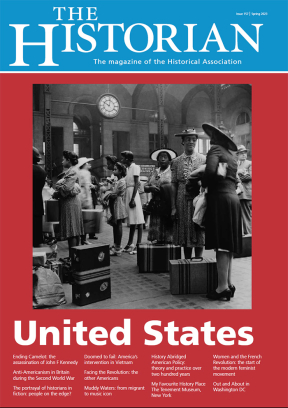
5 Editorial (Read article) 6 Ending Camelot: the assassination of John F Kennedy – Nicolas Kinloch (Read article) 11 Letters 12 Anti-Americanism in Britain during the Second World War – Kit Kowol (Read article) 17 The portrayal of historians in fiction: people on the edge? – Michael Bender (Read article)...
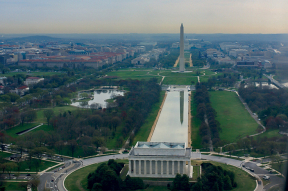
Not everyone loves the capital of the United States. To Ulysses S Grant, it was a ‘pestilential swamp’; to novelist Gore Vidal, a ‘city of the dead’. It is true that Washington still has its problems. The District of Columbia has the highest crime rate in the United States, and...
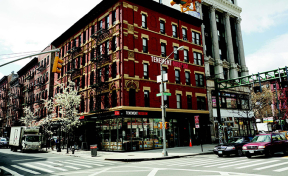
The Tenement Museum is not remotely like any museum I had previously visited. It is an old tenement building where generations of New York migrants lived and loved, worked and had families before moving both on and out. The Tenement Museum tells the story of the Lower East Side through...
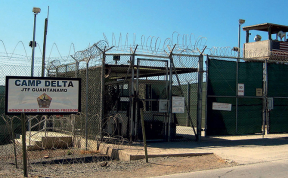
History Abridged: In this feature we take a person, time, theme or event and tell you the vast rich history in small space. A long dip into history in a shortened form. See all History Abridged articles The ‘Monroe Doctrine’ in 1825 provided a cornerstone for future United States foreign...
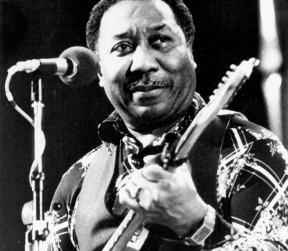
Matt Jux-Blayney explores the impact of the blues singer Muddy Waters against a backdrop of significant social and racial change in the United States of the mid-twentieth century. On 3 July 1960, a man from Mississippi was introduced onto the stage of the Newport Jazz Festival in Rhode Island. He...
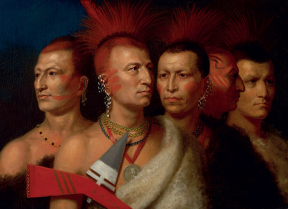
The American Revolution presented all who lived through it with difficult choices about allegiance, identity, and self-interest. The responses of American loyalists, enslaved people, and Native Americans reveal much about the country’s revolutionary foundation and the United States of today. The American Revolution was at once universal and narrowly nationalistic....
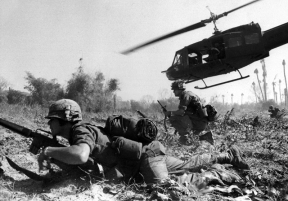
Why did American military involvement in Vietnam fail? In this article, David McGill explains why the United States never had a realistic chance of defeating the North Vietnamese and their Viet Cong allies. The decision by the United States government to become involved in supporting the South Vietnamese government against...
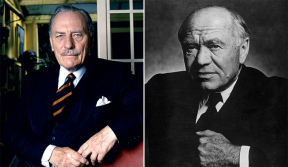
The Second World War saw the development of significant anti-Americanism in Britain. This article locates the centre of wartime anti-Americanism in the politics of Conservative imperialists, who believed the USA was trying to deliberately dismantle the British Empire in order to fulfil its own imperial ambitions. The Second World War...
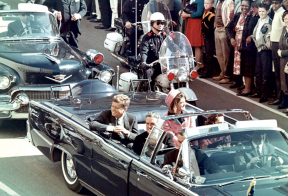
The murder of America’s thirty-fifth president is often regarded as one of the key events in the recent history of the United States. Numerous conspiracy theories have made it appear more complex, and more mysterious, than was in fact the case. No event in recent American history has been more...
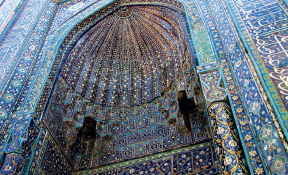
“For lust of knowing what should not be known— We make the Golden Journey to Samarkand.” So wrote poet James Elroy Flecker in 1913, who had perhaps an unduly romantic view of what motivated many of Uzbekistan’s earlier visitors. A more realistic explanation was proffered in the thirteenth century by...
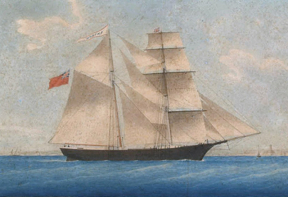
Graham Faiella guides us through the historical evidence and literary speculation surrounding one of the ultimately unresolved incidents of recent times. One hundred and fifty years ago, sometime between 25 November and 4 December 1872, the brigantine Mary Celeste was abandoned at sea somewhere between the Azores and the coast...
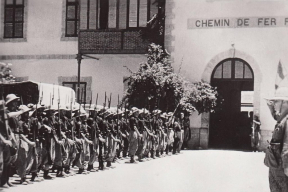
Philip Woods discusses Evelyn Waugh’s contribution to understanding the nature of journalism before the Second World War. This article compares the value to historians of the two books Evelyn Waugh wrote based on his experiences as a war correspondent covering the Italo-Ethiopian war of 1935–36. The popular satiric novel Scoop...
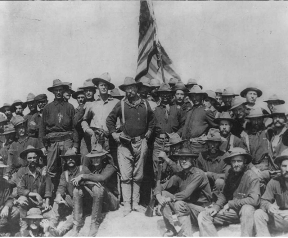
Anthony Ruggiero reveals how United States foreign policy evolved from its effective adherence to the Monroe Doctrine of 1823 into securing its own overseas ‘empire’. The Spanish-American War of 1898 was pivotal in launching the United States into recognition as an empire. Following the war, the United Sates accepted its...