
Egypt
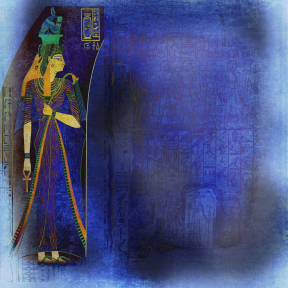
This unit on Ancient Egypt offers pupils the chance to look at another civilisation very different from their own. Students can be introduced to the key features of Ancient Egyptian civilisation through the beliefs and attitudes of these ancient people. Students should examine the similarities and differences between their ancient...
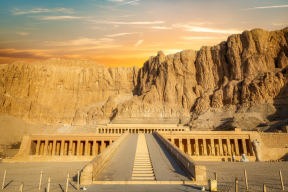
Lesson Plans 1 & 2: Introduction to what Egyptians believed. How do we know? Polytheistic, gods, goddesses, creation. Wall paintings, gods and preparation for the afterlife. Comparison of Christian creation story to that of Ancient Egypt. Lesson Plan 3: Myth, Ra, Osiris, Isis, Horus. Beliefs and attitudes of the past....
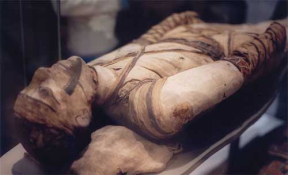
Ideally when teaching history, teachers will look to deliver projects that will engage and motivate, hopefully making the hard work of being creative stimulating and rewarding, based upon questioning, enquiry, investigation of sources and reaching conclusions grounded in the evidence.Ancient Egypt is one of those history topics which, because it...
‘An embarrassment of riches' is not an inappropriate description of the new ancient Egyptian galleries in the Ashmolean Museum in Oxford. The Ashmolean has always been famous for its Egyptian collection, being the product of the work of Oxford academics for over a 100 years, but the problem in the...
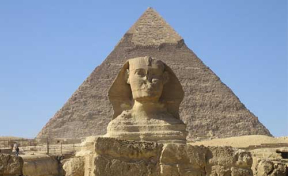
I am a third year student currently studying on a 4 year degree course at Leeds Trinity University College training to be a primary school teacher. Last year, as part of our History module, we visited the Leeds City Museum and met Esther Amis-Hughes who was then its Learning and...
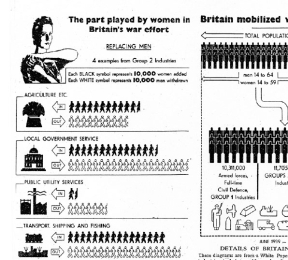
One of the gifts of the social sciences to history is the use of expository diagrams; but attention is rarely given to the history of diagrams. Maps - schematized representations of locations in spatial relation to one another - can be dated back to Babylonia in the late third millennium...
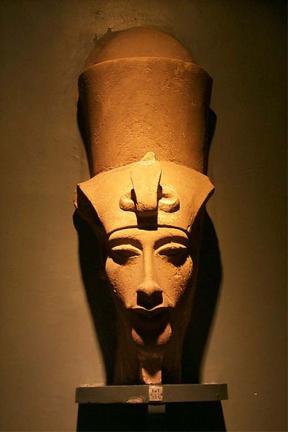
This exemplar outlines a lesson John Fines taught to a class of Year 3 children. He was visiting them for the first time to do some drama work. The children already knew a great deal about the Ancient Egyptians and were also used to learning through drama. John writes:After a...
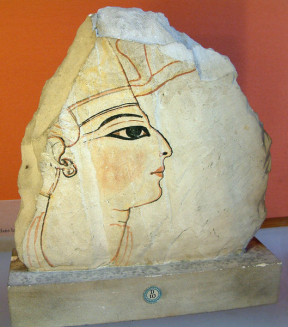
This resource is free to everyone. For access to hundreds of other high-quality resources by primary history experts along with free or discounted CPD and membership of a thriving community of teachers and subject leaders, join the Historical Association today Please note: this guide was written before the new National...
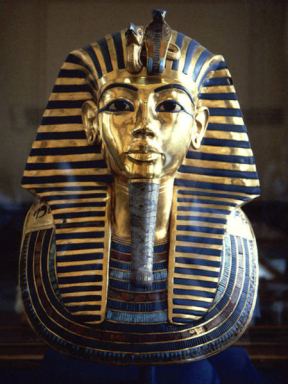
How was Tutankhamun's tomb discovered? Using a photograph as a source of historical information. (These resources are attached below) The lesson aims were for children to: understand the circumstances surrounding the discovery of Tutankhamun's tomb develop their skills in scanning, observing and focusing, and questioning use sources to find out...
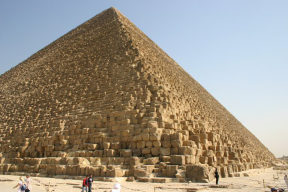
How did the ancient Egyptians build the pyramids? This lesson on pyramid-building includes visual, auditory and kinaesthetic learning activities catering for a range of learning styles and abilities. There are links with Science, Maths, and DT. For background information see Building the Great Pyramid on the BBC website. (These resources...
Please note: this article pre-dates the 2014 National Curriculum and some content may be outdated. Introduction: Meaningful links "Teachers will be able to make links within and across areas of learning to help children understand how each distinctive area links to and is supported by others." (Rose Chapter 2, 2.23)...
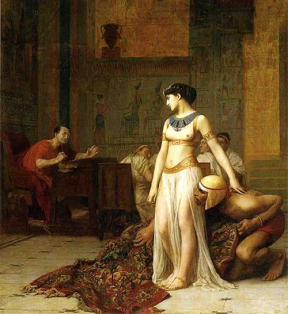
This pod-cast was recorded at the Central London Branch of the Historical Association on Saturday 20th February 2010, at the Institute of Historical Research, Senate House, University of London. We were pleased to welcome cultural historian Lucy Hughes-Hallet to the branch to speak on ‘Cleopatra'. Lucy Hughes-Hallet detailed how fact...
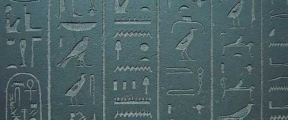
Synopsis: Fun with Hieroglyphs contains 24 rubber stamps, an ink pad and full colour book. It is recommended for children aged 8 upwards and will enable them to discover the secrets of the hieroglyphic language of the ancient Egyptians. The stamps can be used to write messages and create designs...
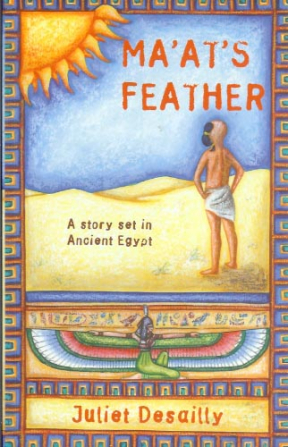
Ma'at's Feather: A story set in Ancient Egypt by Juliet Desailly, The Book Guild, p/b £6.99 Pub 2008, ISBN: 978 1 84624 273 1 and accompanying lesson resource Ma'at's Feather: Cross-Curricular Lesson Ideas by Juliet Desailly Pub 2008, ISBN: 978 0 955668 0 4 Reviewed by Alf Wilkinson Ma'at's Feather...

Children love stories. They like the drama, the excitement, the chance to listen and to wonder. Narrative is a very important part of history and sometimes, by concentrating on facts or on skills, we tend to lose the view of the big picture, especially in the Key Stage 2 curriculum...
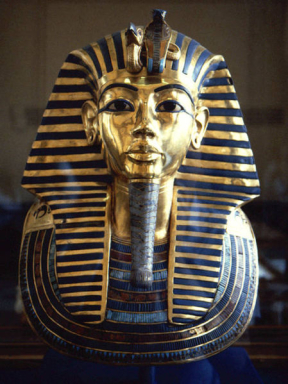
'At last have made wonderful discovery in Valley; a magnificent tomb with seals intact; re-covered same for your arrival. Congratulations.’ This telegram was sent from Luxor on the 6th November 1922 by Howard Carter to his coarchaeologist Lord Carnarvon in Britain. It started the Tut·ankh·Amen story which led to a...