
Egypt
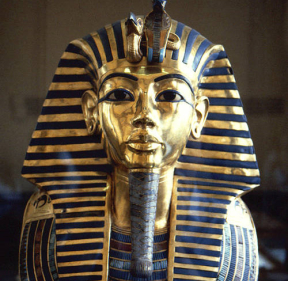
This teaching toolkit takes a fresh look at this much-taught topic and provides the basis for a rigorous enquiry led approach for children in key stage 2. Packed full of ideas and links to resources, this toolkit provides a step by step guide to teaching the Egyptians from why they...
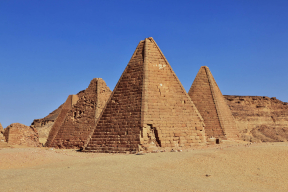
This guide book was produced by Timothy Kendall and El-Hassan Ahmed Mohamed (Co-Directors NCAM Archaeological Mission at Jebel Barkal) and has been published on our website by their kind permission (© 2022 Timothy Kendall and El-Hassan Ahmed Mohamed) to support our podcast that examines the history of Ancient Nubia and...
Richard Harris invites us to consider how the teaching of ancient Egypt can be decolonised by considering non-Western perspectives. The article provides a fascinating viewpoint on this popular period of history and shares examples of how this can be explored with children. One of the joys of working in history...
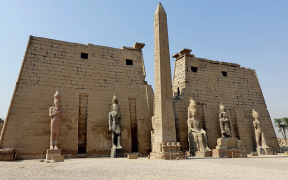
History teacher in Cairo; oh, my word! Living in Cairo for the past four years enabled me to explore the country to a degree not possible as a visitor. Based in Maadi to the south of the old Islamic city, I live about 20 minutes’ walk from the Nile. A...
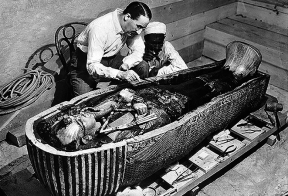
“At last have made wonderful discovery in Valley; a magnificent tomb with seals intact; re-covered same for your arrival; congratulation.” When Howard Carter sent these words via telegram to his friend and patron Sir George Herbert, 5th Earl of Carnarvon on 6 November 1922, he had yet to fully appreciate...
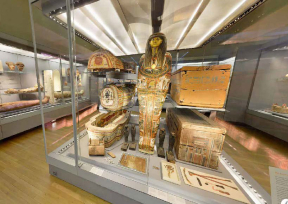
It’s a safe bet that ancient Egypt is one of the most exciting topics on the primary history curriculum. But that can come with misunderstandings of a complex 3,000-year-long history and an accomplished group of people, embedded by the sensationalised, gory, and othering approach often shown when ancient Egypt features...
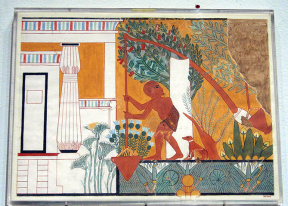
Ancient Egypt is one of the most popular societies taught in primary schools. In this article Karin Doull argues the importance of having a coherent approach to the content. Much of the article focuses on the key areas that teachers may wish to consider if they are to achieve a...
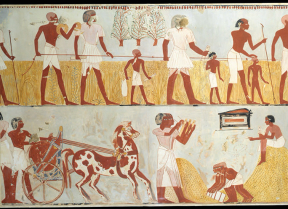
Many teachers are especially concerned about subject knowledge and knowing what to teach. Using the example of the ancient Egyptians, this article focuses on how a subject leader can support colleagues develop and use their subject knowledge to become more adept at teaching. One of the most frequent concerns of...
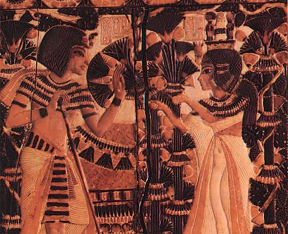
Joyce Tyldesley explains the significant but often hidden roles played by queens in Ancient Egypt. For almost 3,000 years – from the unification of the land in 3100 BC to the arrival of Alexander the Great in 332 BC – the king (or pharaoh) of Egypt served as an essential...
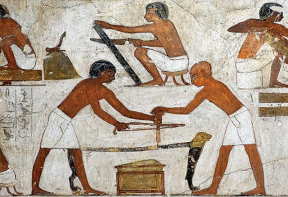
Perhaps the hardest skill to develop in history is a sense of period. What was it really like to live in Ancient Egypt? Who should we study? Or, in this case, which workers were typical? Were these craftsmen in Deir el Medina typical of all the workers in Egypt? Or...
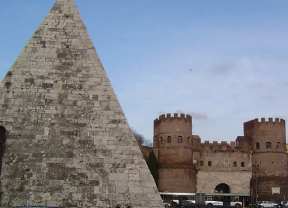
Miss, did the Romans build pyramids? No Johnny, I think you are confusing the Romans with the Egyptians. Actually, Miss, the Romans did build pyramids – well, at least one – and you can still see it in Rome today! The pyramid, which is 37 metres [or 125 Roman feet]...
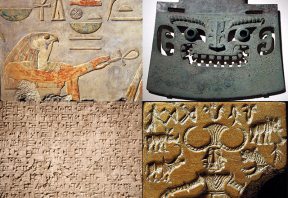
What do all the Ancient Civilisations have in common? This enquiry provides an overview of the Ancient Civilisations of Egypt, Sumer, Indus Valley and Shang, showing where and when they developed, the similarities between them and how they relate to a broadly based chronological understanding of the past. It provides...
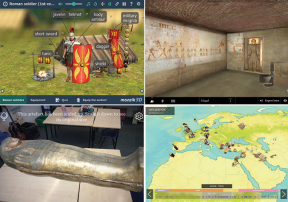
There are a lot of apps out there on multiple platforms and searching for ‘History’ does not really narrow anything down. Knowing which ones are useful, usable and worth paying for is often a case of trial and error. However, this list will save you trawling through the myriad of...
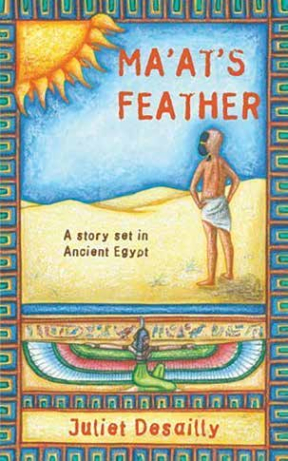
Alf Wilkinson discusses a book first published in 2008, and set in Ancient Egypt. Ma’at’s Feather is the story of Qen, a young boy growing up in ancient Egypt. He is part of a farming family, and we discover how their livelihood is totally dependent on the River Nile...
Have you ever used archaeology and object handling as a way to hook the interest of children in to primary history? Are you searching for creative ways to compare and contrast ancient civilizations? Would you like to extend your subject knowledge? Want inspiration for building in fascinating local history seamlessly...
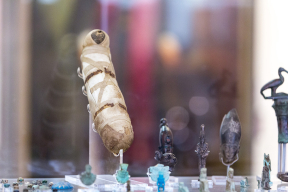
For hundreds of years, travellers to Egypt have marvelled at the amazing monuments evident throughout the country. The treasures of Ancient Egypt became more fascinating after the discovery of the Rosetta stone in 1799, which led to the deciphering of the hieroglyphic language. Many Victorian explorers returned to their European...
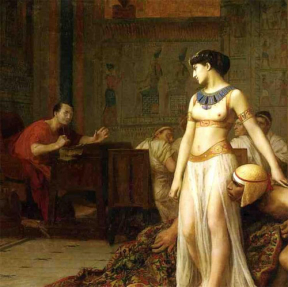
Ancient Egyptian civilisation is rich and mysterious with distinctive visual imagery and strange animal-headed gods. The exotic differences of the society have always intrigued the western imagination and so they continue to ensure that this is a popular unit with both teachers and children. There are plentiful resources with new...
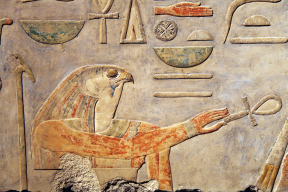
I will be honest – no child has actually asked me if the world was ever full of Ancient Egyptians! Having said that, by focusing on one part of the world, children are left with either this impression or the idea that nothing was happening elsewhere in the world. Clearly,...

This article explores some of the ways history and geography can be taught side by side, so that the sum of the parts adds up to more than the original. How can we teach history with geography and vice versa, to the benefit of both, while fulfilling the aims of...
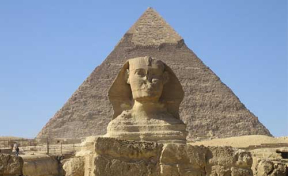
Editorial note: This paper has two sections: first, a background briefing about Ancient Egypt with a timeline and map that introduces the second section's three teaching activities on: building the Great Pyramid of Giza; Hatshepsut, Egypt's great woman pharaoh; and Akhenaten and his attempt to revolutionise Egyptian religion. ‘Hail to...