
Britain & Ireland 1745-1901
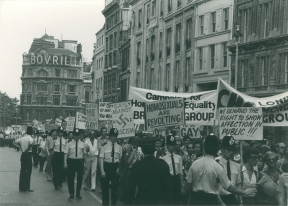
While academic historians began to make important contributions to our understanding of British LGBTQ+ history in the 1970s (and, indeed, this built on historical scholarship from as early as the 1880s), the field of British queer history became properly established within university history departments and mainstream academic scholarship from the...
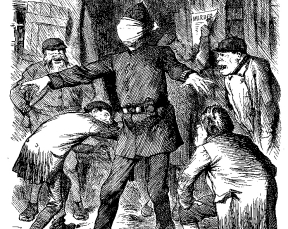
While history teachers (and examiners) regularly invite students to consider what cartoons or paintings reveal about contemporary attitudes to particular social or political developments, such sources are often difficult to interpret and to use appropriately. Drawing on a wealth of detailed research and a passion to support teachers and students...
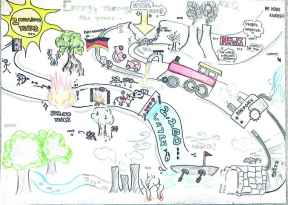
This article, written mainly by Alison Kitson with reflections on classroom experience from Nebiat Michael, focuses on teaching about the industrial revolution. It offers new ways of framing the topic, both as a result of the ‘energy binge’ on which modern civilisation is built and as the third of four...
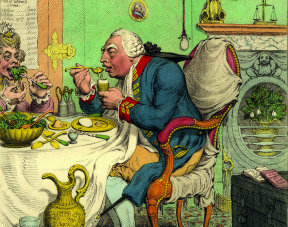
As ardent advocates of eighteenth-century history, Rhian Fender and Stephen Ragdale were determined to ensure that the period found a secure place within their department’s Key Stage 3 curriculum. Given the extraordinary range of contrasts that epitomise the long eighteenth century, and only ten lessons within which to explore them,...
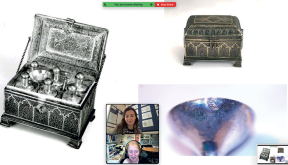
Having specialised in the history of material culture during her degree, Gabriella West was struck by the dismissive attitude of her pupils towards the study of material objects from the past. She therefore set out to find the perfect object through which to induct her Year 8 pupils into the...
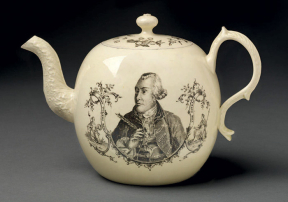
It seems that teapots really can talk. Eleanor Dimond took her undergraduate experience of studying material culture into the classroom, with startling results. Historians of material culture have developed distinctive evidential methods which, in stark contrast to typical GCSE and A-Level approaches, see a strong interplay between analysis of the...
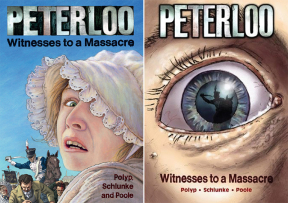
While previous work on historical interpretations has focused students’ attention on the particular questions that historians have been asking or the context in which they have been posing those questions, less attention has been paid to the process of historical narration itself – the decisions that are made in telling...
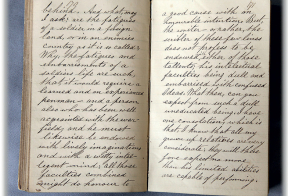
The British industrial revolution stands out as a pivotal moment in human history. Its timing, causes and consequences have all been major topics of historical enquiry for well over one hundred years. Many of the great Victorian commentators – Engels, Dickens, Blake to name a few – who lived through...
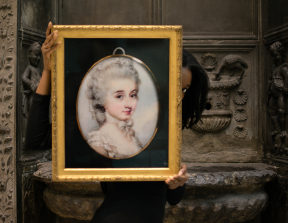
There is a great deal of discussion at the moment about how we engage with and confront the history and legacies of slavery in twenty-first century Britain. A lot of attention has been placed on men like slave trader Edward Colston or merchant and slave-owner Robert Milligan, both of whom...
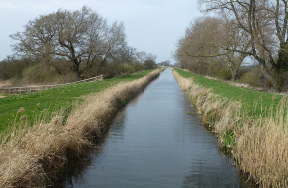
Confined to his home during lockdown in 2020, teacher Josh Mellor became eager to explore the history of the physical environment on his doorstep. After reading about different approaches to using environmental history in the classroom, Mellor decided to design an enquiry to explore the changing landscape of the Fens...
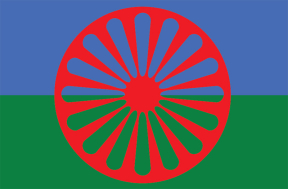
Richard Kerridge and Helen Snelson present a brief sequence of lessons using the life of the Gypsy woman Mary Squires as a way into the changes of industrialising Britain. More significantly, they also present a compelling rationale for why history teachers should be slotting in the stories of Gypsy, Roma...
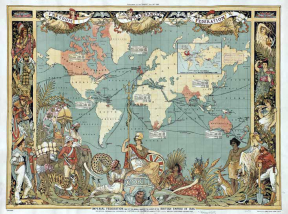
Concerned by the growing tendency of politicians and press to revive the moral balance-sheet approach to British imperial history and by some evidence of its resurgence in schools, Alex Benger set about devising a framework which would keep pupils’ analysis rigorously historical, rather than moral and politicised. In this article,...
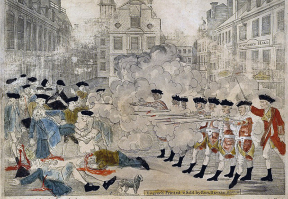
The Founding Fathers of the United States of America are never far from current political and cultural discussions. Whether prompted by the phenomenal success of Hamilton: the musical (2015), or the shocking scenes of riotous attack on the US Capitol in January 2021, the revolutionary intentions and legacy of such...
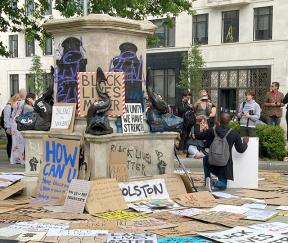
In the light of present-day concerns about the place, in a modern world, of statues commemorating figures whose roles in history are of debatable merit, Dr Gregory Gifford puts the British Empire on trial, presenting a balanced case both for and against. In June 2020 when the statue of slave-trader...
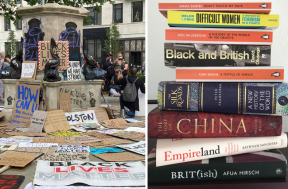
In this article, Theo Woods shares the experience of one history department as they embarked on a substantial process of curriculum review and development. The department sought to address concerns that the range of history taught in their school, across the full seven years of students’ secondary experience, was too...
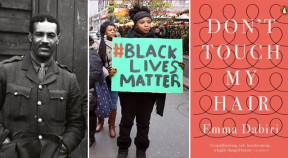
In this article, Dan Lyndon-Cohen makes the case that history departments should move from diversifying the curriculum to decolonising it. After reflecting on some examples of how he made the content of his lessons more representative, he explores how the influence of writers such as Michel-Rolph Trouillot and Emma Dabiri...
The murder of George Floyd during the summer of 2020 and the ongoing ‘culture war’ in Britain over the legacy of the British Empire have reignited interest in imperial history. This focuses, in particular, on the question of the empire’s impact on Britain itself: on how the act of conquering...
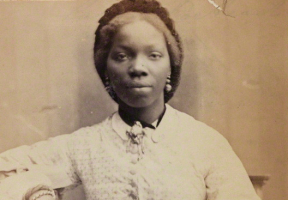
Making a passionate case for teaching Black British history in the secondary school curriculum, Hannah shares here the personal journey she has travelled in planning for Black British history in her curriculum. She cites her inspirations and offers striking examples to illustrate her rationale and approach to teaching this history....
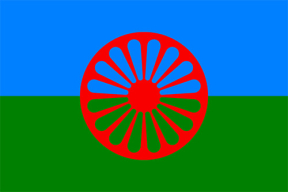
In 1993 the writer, former dissident and first President of the Czech Republic Vaclav Havel described the situation of the Roma ‘as a litmus test for Europe’s civil society’. Nearly 30 years later the social questions of how the prejudice against the Gypsy, Roma and Traveller communities across Europe is...
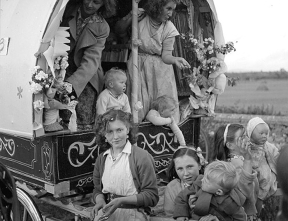
Gypsy, Roma and Traveller people are the largest minority ethnic group in some communities (and therefore in some schools) in the UK. Yet the past of Gypsy, Roma, Traveller people may rarely be part of history lessons. The result is that pupils of Gypsy, Roma and Traveller heritage may not...