
Britain & Ireland
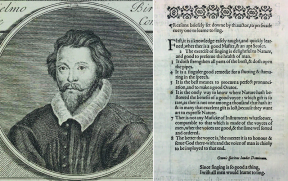
As the value of music education is again a topic of societal debate, Tudor composer William Byrd, the four hundredth anniversary of whose death is celebrated this year, was a powerful advocate of singing in early modern England, writes Katherine Butler. Tudor composer William Byrd (c.1540–1623) is recognised today not...
2023 will see the first coronation of a British monarch for 70 years. Only those now in their 70s or above will remember the last one. The UK is the only country in Europe still to carry out a coronation, a ceremony that has its roots in traditions over a...
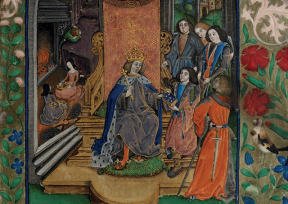
Joanna Hickson is a hugely successful novelist, specialising in historical fiction, and she describes herself as feeling that she actually lives in the fifteenth century. For readers of The Historian she explores and explains how she developed her understanding and knowledge of a highly significant Tudor woman who is a...
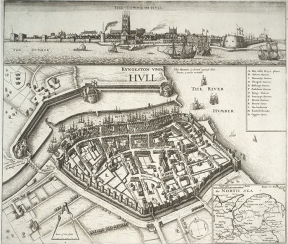
Sylvia Usher explores a hidden gem in the East Riding of Yorkshire. Wenceslaus Hollar’s map of seventeenth century Hull can be a street guide for the Old Town even today. Modern Hull sprawls along the Humber estuary with residential areas fanning out for three miles or more. Hull as it...
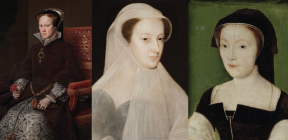
Gregory Gifford investigates the cultural issues raised by the sixteenth century‘s reigning queens. In 1877 when Sitting Bull led his Lakota people across the border into Canada, he told them they were entering ‘The land of The Grandmother’ – a wonderful phrase to express Queen Victoria’s matriarchal authority. Three hundred...
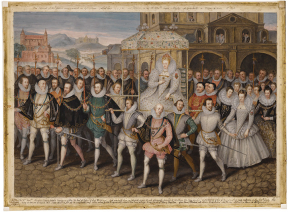
Tracy Borman examines the femininity of the Virgin Queen. Elizabeth I is often hailed as a feminist icon. Despite being the younger, forgotten daughter of Henry VIII with little hope of ever inheriting the throne, she became his longest-reigning and most successful heir by a country mile. In an age...
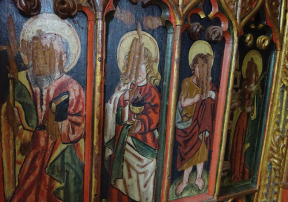
Since the first stirrings of religious reform in the sixteenth century, people have been writing the history of the Reformation, debating what happened and why it happened. John Foxe arguably became the first historian of the English Reformation when he published Actes and Monuments in 1563. Better known as ‘The...
Every queen had ladies-in-waiting. Her confidantes and chaperones, they are the forgotten agents of the Tudor court. Experts at survival, negotiating the competing demands of their families and their queen, the ladies-in-waiting of Henry VIII’s wives were far more than decorative ‘extras’: they were serious political players who changed the...
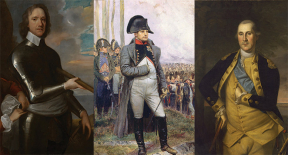
This article examines the aftermath of three epoch-making periods of change – the English, American, and French Revolutions. A comparison of the trio of military commanders who gained power as a direct consequence of these upheavals reveals how the very political radicalism which brought them to power also threatened to...
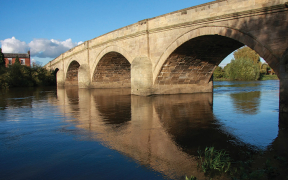
Trevor James reveals his continued fascination with this major Midland scheduled monument. Almost 40 years ago, my role as a Nottingham University extra-mural tutor took me to Melbourne in Derbyshire. For the first few weeks I followed a cross-country route to Melbourne, via Burton-upon-Trent, Woodville and Hartshorne, but, on a...
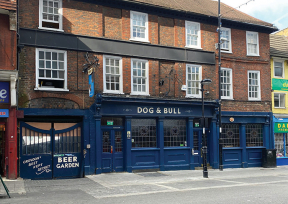
Trevor James offers a case study in how to define and identify inns as part of the historic urban environment. Croydon’s Tudor and Stuart inns Croydon’s Tudor and Stuart inns had a remarkable and formative effect on its urban landscape, an effect which still endures into modern times. Topographers and...
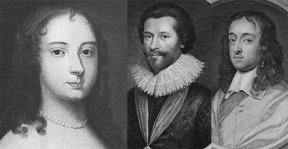
Sara Read introduces us to a woman who challenged expectations during the turbulent years of the early seventeenth century. In 1622 a pious young woman with a highly unusual first name, Brilliana Conway, sat at her desk doodling her signature on her commonplace book. She had lofty ambitions for her...
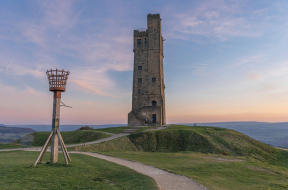
Alison Hramiak tempts us to visit Castle Hill, south of Huddersfield, to look for traces of our long dead ancestors, to contemplate the passing of the centuries on that site and to enjoy the lovely views. It’s often the way that we ignore what’s geographically close to us when we...
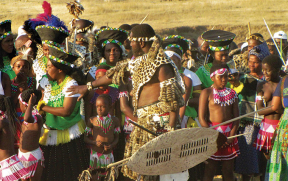
In this article, Nicolas Kinloch examines the 1964 film Zulu. He suggests what it might tell us about the reality of the British Empire and asks if it has anything to say about the era in which the film was made. One of the most successful British films of 1964...
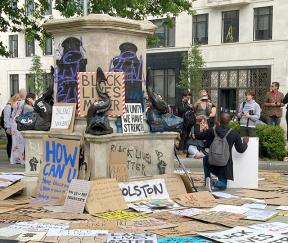
In the light of present-day concerns about the place, in a modern world, of statues commemorating figures whose roles in history are of debatable merit, Dr Gregory Gifford puts the British Empire on trial, presenting a balanced case both for and against. In June 2020 when the statue of slave-trader...
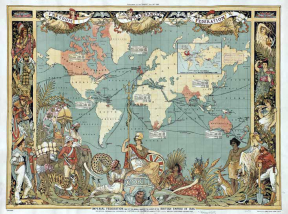
The murder of George Floyd during the summer of 2020 and the ongoing ‘culture war’ in Britain over the legacy of the British Empire have reignited interest in imperial history. This focuses, in particular, on the question of the empire’s impact on Britain itself: on how the act of conquering...
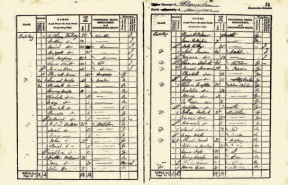
History Abridged: This feature seeks to take a person, event or period and abridge, or focus on, an important event or detail that can get lost in the big picture. Think Horrible Histories for grownups (without the songs and music). See all History Abridged articles Most of us are aware...
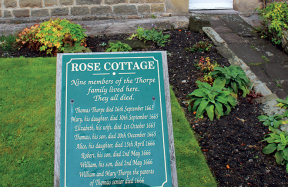
Richard Stone explores the self-sacrifice of a Seventeenth Century village during an epidemic. History shows us these ‘unprecedented times’ are not that far from previous historical experiences. Lockdown, quarantine, self-isolation, ‘second wave’, ‘third wave’, airborne disease, churches closed; the Covid-19 experience resonates with the plight of the villagers of Eyam,...
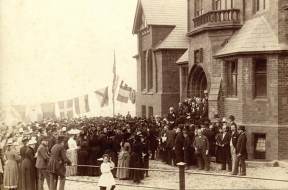
Caroline Smith provides a perspective, past and present, of the experiences of epidemics on the Isle of Man. In recent times health has been at the forefront of everyone’s minds. Epidemics and pandemics are not new, but the Covid-19 outbreak is probably the first to have such a noticeable effect...
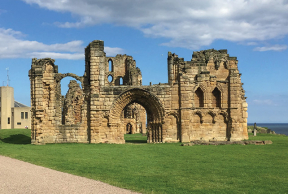
Approximately 10 miles east of Newcastle-upon-Tyne and just over 10 minutes walk from my home, the imposing ruins of Tynemouth Priory command sea, river, and land from the promontory between King Edward’s Bay and Prior’s Haven. While the Priory dates back to the eleventh century, the headland on which it...