
Britain & Ireland
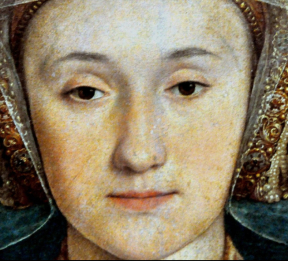
To booke and pen: Women, education and literacy in Tudor and Stuart England As a student in the early 1970s, I became acutely aware that formal provision for women's education was a relatively recent development. I was at Bedford College, which originated in 1849 as the first higher education institution...
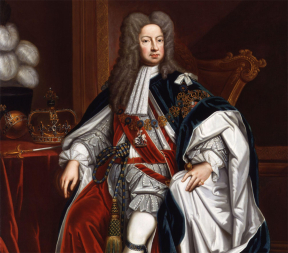
In this podcast Lucy Worsley of Historic Royal Palaces looks at the early Georgians, the changing relationship between Parliament and Monarchy and Court Politics under George I and George II.
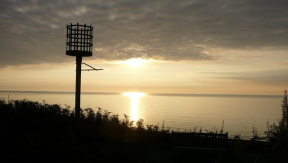
The precise role of Devon's militia during summer 1588 has, until recently, been shrouded by the recurrent tendency of historians to misinterpret the primary function of the militias in the southern maritime counties. The basic idea put forward has been that their main role during the Armada crisis was to...
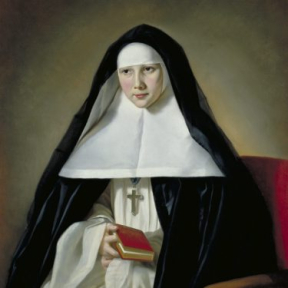
An HA Public History Podcast featuring Dr Andrew Foster and Dr Caroline Bowden discussing the project: Who were the Nuns? A Prosopographical study of the English Convents in exile 1600-1800. 'Who were the Nuns?' is a funded project at Queen Mary, Universty of London that has been making a comprehensive...
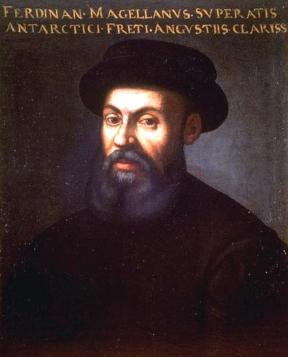
This pamphlet covers a very large period of history in a very important region with great detail and focus. Themes that are covered include the transition of power and dominance in the pacific region, the conflicts that frequently arose in the struggle for pacific dominance throughout the centuries, as well...
This series of podcasts featuring Professor Sean Connolly and Professor David Hayton of Queen's University Belfast looks at Irish History from 1500-1800. Topics covered include Tudor Ireland, the Eleven Years War, Restoration Ireland, the significance of the reigns of James II and William III and politics in Ireland during the...
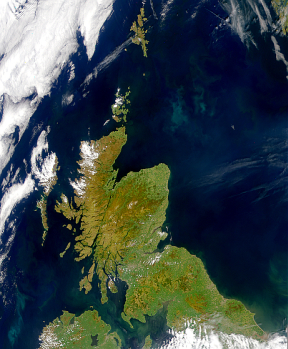
This pamphlet provides an interesting approach to a historical topic which has been too frequently covered from a single viewpoint. The pamphlet delivers a thoroughly Scottish approach to the nature of the 1707 Union and the changing nature of Scotland in the following centuries. It highlights the disparity of the...
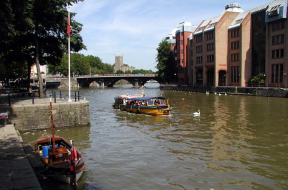
This pamphlet addresses the relationship between Bristol and America, charting the rising and waning interest the city and its merchants had in discovering new lands and profiting from them, and the success or more often the failure of these voyages. It provides an interesting argument which may be seen to...
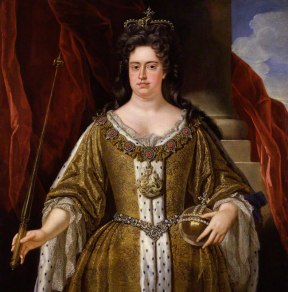
In June 2012 the Historical Association and Historic Royal Palaces joined forces to offer a fantastic CPD opportunity in line with the Queen's diamond jubilee. Two CPD events around the theme of Royal Women charted the private histories of queens of the past from within the walls of their palaces....
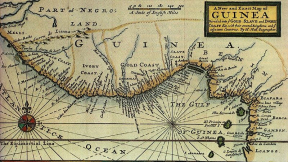
In 1660, the Company of Royal Adventurers Trading to Africa was established under the leadership of Charles II's brother James, the Duke of York. Founded as a slaving company, the Royal African Company, as it became known, also traded in gold. African gold was mined in the interior before being...
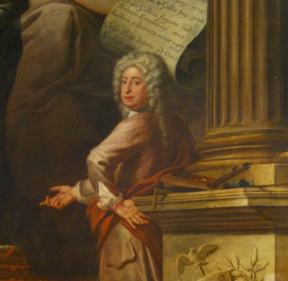
History Painting is defined in Grove's Dictionary of Art as the ‘depiction of several persons engaged in an important or memorable action, usually taken from a written source.' Though History Painters as important as Rubens and Van Dyke worked - in Van Dyke's case for nine years - in England,...
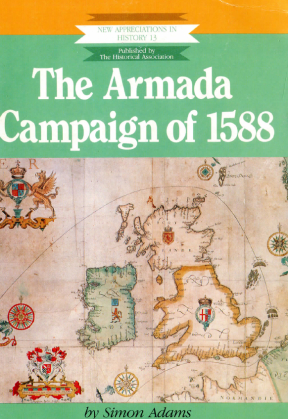
Between 1585 and 1588 a state of undeclared war existed between England and Spain. During the course of those years, Philip II devised a plan for the 'Enterprise of England'. It was probably the most ambitious military operation of the sixteenth century: a massive invasion to be mounted jointly by...
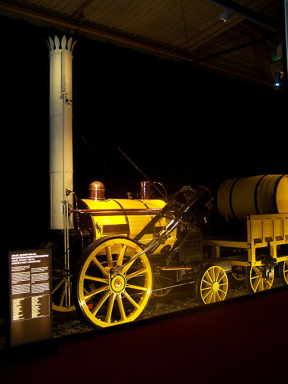
The period 1750-1830, traditionally marking the classical industrial revolution, achieved in Great Britain what Professor Rostow has called the economy's "take-off into self-sustained growth". A revolution in transportation was part of the complex of changes - industrial, agricultural, mercantile and commercial - occurring roughly concurrently.The impetus to transport change is...
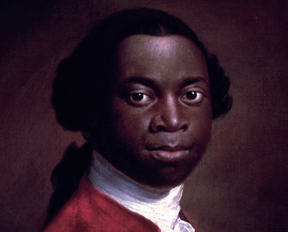
This series of podcasts looks at Diversity in Early Modern Britain and features Onyeka, Dr Kathy Chater and Dr Sumita Mukherjee. Our first set of podcasts looks initially at African and Caribbean British History, South Asian British History and the Huguenouts.
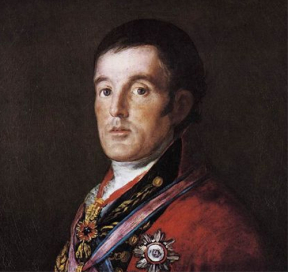
We can do all kinds of things with the past - examine it analytically, or question whether it ever existed, or churn it up inside ourselves until it turns into personal experience. We can dream it as we lounge amidst a heap of ruins, or petrify it into a museum;...

‘You've gone over to The Dark Side'. These were the words of a well-respected historian to whom I'd been enthusing about the pleasures and perils of Dressing Up. During 2009-10 I spent several months in historic costume, recreating the habits and rituals of domestic life in the past. It was...
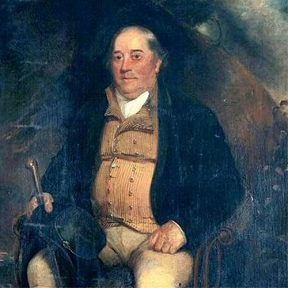
Commonly hailed as a discovery or a ‘medical breakthrough', vaccination against smallpox with cowpox exudate was a development of variolation i.e. inoculation with live smallpox matter - a technique popularised amongst the gentry in the early eighteenth century by Lady Mary Wortley Montagu who had observed the procedure in Turkey...
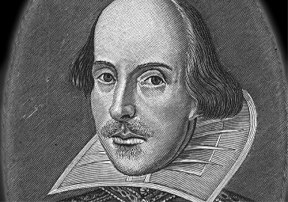
Shakespeare's identity is an issue historians normally avoid - with 77 alternatives to Shakespeare now listed on Wikipedia, it has become a black hole in literary studies. Denial of the orthodox (Stratfordian) view* that William Shakespeare was the Bard dates back a century and a half, but has escalated in...
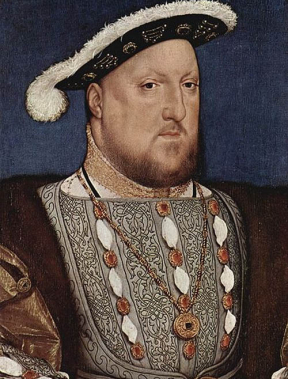
What shall we think of Henry VIII? However that question has been or may be answered, one reply is apparently impossible. Not even the most resolute believer in deterministic interpretations of history seems able to escape the spell of that magnificent figure; I know of no book on the age...
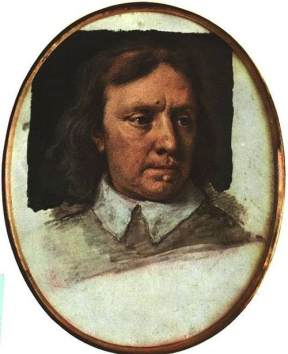
Ever since the death of Oliver Cromwell 300 years ago his reputation has been the subject of controversy. The royalist view of him was expressed by Clarendon: "a brave bad mad," an ambitious hypocrite. This interpretation was supported by many former Parliamentarians: Edmund Ludlow regarded Cromwell as the lost leader...