
Britain & Ireland
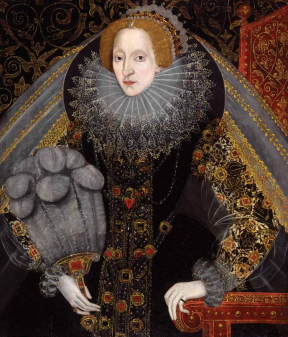
Tracy Borman explores the distinction between the public and private lives of the Tudor monarchs. The Tudors were renowned for their public magnificence. Perhaps more than any royal dynasty in British history, they appreciated the importance of impressing their subjects with the splendour of their dress, courts and pageantry in...
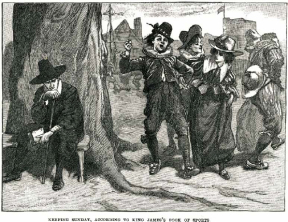
Forty years after his higher degree research into the history of sport, Trevor James explores the much wider context in which that research now stands. Four hundred years ago, in 1617, James I made a decisive intervention into the simmering debate which had existed since the puritanical upsurge in Queen...
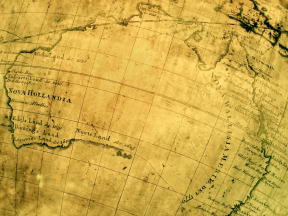
Jordan Goodman takes us on a botanical journey to the ends of the earth. Joseph Banks never commanded a ship. In 1773, aged 30, he went on his last voyage, a short crossing from Hellevoetsluis, south Holland, to Harwich. Yet not only was the sea always at the centre of...
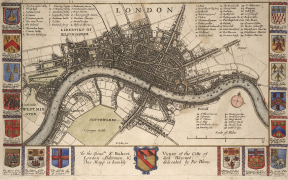
This lecture explored the epidemiology of disease in metropolitan London, exploring by reconstructions of local impact in the various parishes north, south east and west of the City from Bills of Mortality, burial registers and the Churchwardens’ accounts which often allow a day by day if not hour by hour...
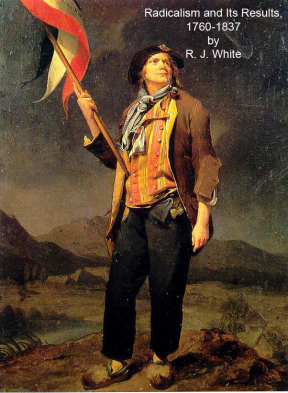
Radicalism with a large "R", unlike Conservatism with a large "C" and Liberalism with a large "L", is not a historical term of even proximate precision. There was never a Radical Party with a national organization, local associations, or a treasury. But there were, and there are, "Radicals", generally qualified...
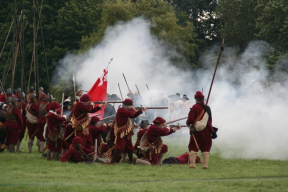
In this article Geoffrey Carter will be taking a look at battlefields as key elements in British history and how these can be incorporated into the study of history at various levels and in various periods. The regional nature of many historic conflicts is sometimes forgotten but this is an...
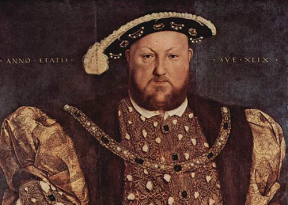
An HA Podcasted History of the Tudors featuring Dr Sue Doran, Dr Steven Gunn, Dr Michael Everett & Dr Anna Whitelock.
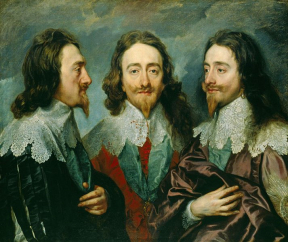
In this series of podcasts we look at British and Irish History from the Union of the Crowns to Queen Anne. This series features: Mr Simon Healy, Dr Frank Tallett, Professor Jackie Eales, Dr Andrew Hopper, Professor Michael Braddick, Dr Jason Peacey, Professor Peter Gaunt, Professor Barry Coward, Professor John...
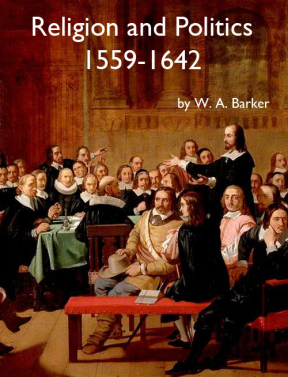
It is a truism to say that religion and politics were inextricably mixed in the seventeenth century. "So natural" wrote Richard Hooker,"is the union of religion with Justice, that we may boldly deem there is neither where both are not" Sir John Eliot observed that in the House of Commons...
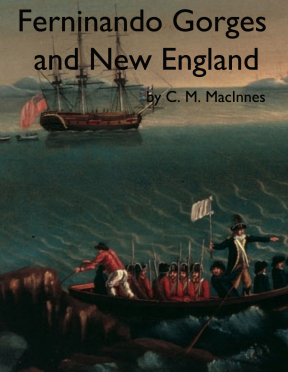
Sir Ferdinando Gorges (July 1565 - May 24, 1647), by some considered the "Father of English Colonization in North America", was an early English colonial entrepreneur and founder of the Province of Maine in 1622, although Gorges himself never set foot in the New World. Sir Ferdinando Gorges was born...
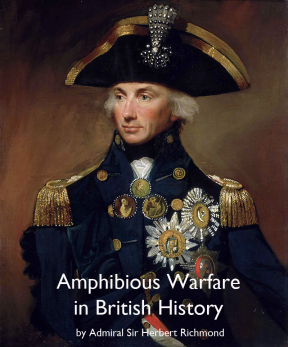
The term "Amphibious Warfare" was adopted a few years ago to indicate a form of a strategy of which the characteristic was the descent of the sea-borne armies upon the coasts and ports of an enemy. It is not a method peculiar to Great Britain, for all maritime nations from...
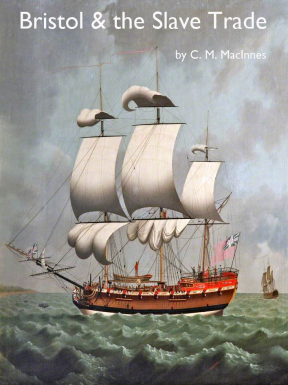
Captain Thomas Wyndham of Marshfield Park in Somerset was on voyage to Barbary where he sailed from Kingroad, near Bristol, with three ships full of goods and slaves thus beginning the association of African Trade and Bristol. In the late sixteenth and seventeenth centuries, Bristol was not a place of...
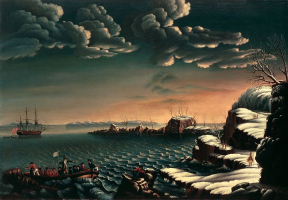
An HA Podcasted History of the early British Empire featuring Professor Trevor Burnard of the University of Warwick, Professor Stephen Conway of University College London, Dr Jon Wilson of King's College London, Professor Gad Heuman of the University of Warwick.
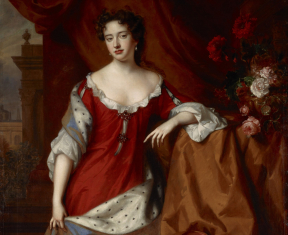
In this podcast Lady Anne Somerset looks at the life, reputation and legacy of Queen Anne – the last of the Stuart monarchs, and the first sovereign of Great Britain. Anne was born on 6 February 1665 in London, the second daughter of James, Duke of York, brother of Charles...
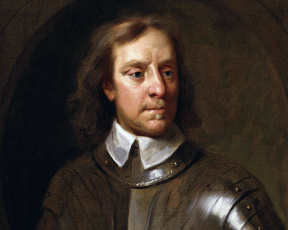
On the 30th June 2015, The Cromwell Association, held a series of round table discussions at Selwyn College, Cambridge. This set of podcasts feature Professor Ronald Hutton of the University of Bristol, Professor John Morrill and Dr David Smith of the University of Cambridge and Dr Patrick Little from the...
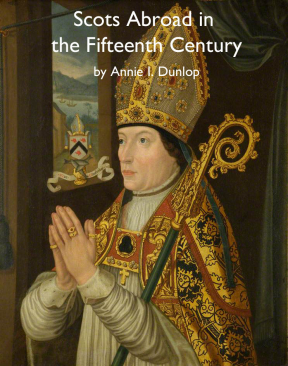
(Historical Association Pamphlet, No. 124, 1942) Dunlop's research into the occupations and attitudes of Scots abroad during the 15th century uncovers some surprising revelations about all members of the Scottish ex-pat society. She particularly notes the ‘scurrilous' opinions of the French regarding Scotsmen's behaviour. While Scottish diplomatists and envoys tended...
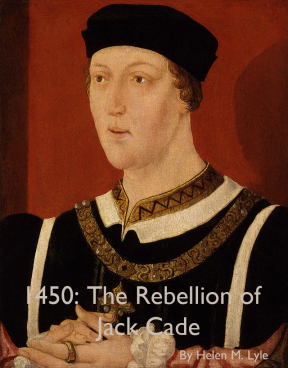
‘When Kings and chief officers suffer their under rulers to misuse their subjects and will not hear nor remedy their people's wrongs when they complain, then suffereth God the rebel to rage and to execute that part of His justice which the partial prince will not.' Thus did the Tudor...
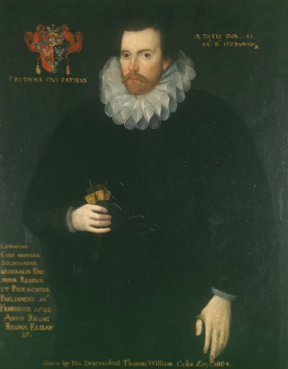
When was Magna Carta launched on its modern career as a symbol of freedom and liberty? Justin Champion looks at the role of the sixteenth- and seventeenth-century lawyers and politicians in shaping how we see the Charter today. ‘For every person who knows what the contents of Magna Carta actually...
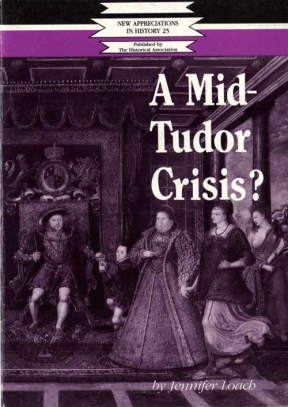
This classic pamphlet takes you through the Mid-Tudor period focusing on foreign affairs and finance, the Dukes of Somerset and Northumberland, the risings of 1549, coups and commissions 1549-53, Edwardian Protestantism success and failure, Mary and the Catholic Restoration, the Marian Administration and the Spanish Marriage.
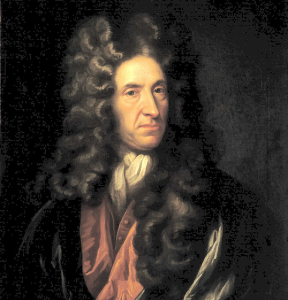
There is a tendency to represent Daniel Defoe as a novelist and satirical journalist who was at one point placed in the London stocks as a punishment. Ted Vallance's article broadens our perspective to appreciate Defoe's activities as a propagandist in both England and Scotland... The September 2014 referendum on...