

Teaching History articles
1075 publications
-
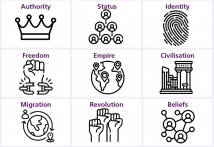 How foundational concepts, supporting concepts and concrete examples can help untangle the past at Key Stage 3
-
 Teaching History 202: Out now
-
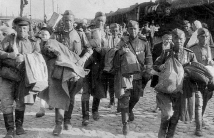 What Have Historians Been Arguing About... Stalin’s final years
-
 Triumphs Show: Shining a light on Eastern European history with Jadwiga of Poland
-
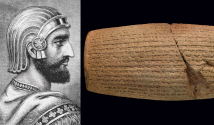 Interpreting Cyrus the Great for the lower school curriculum
-
 Move Me On 201: trainee is using AI indiscriminately to try to save time
-
 Cunning Plan… for teaching the Haitian Revolution
-
 Using local history to illuminate the complexities of interpretation with Year 8
-
 Using Femina to reframe Year 7 pupils’ understanding of the medieval world
-
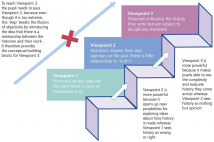 Working 9–5: how painters, plumbers and programmers help our pupils understand the role of the historian
-
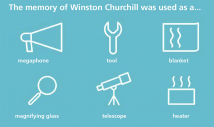 Teaching Year 9 pupils to see and sense social memory as an expression of knowledge about the past
-
 Teaching History 201: Out now
-
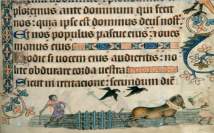 Cunning Plan… to teach about environmental history in the medieval period
-
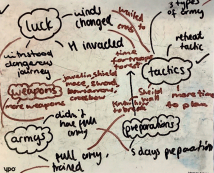 Building historical thinking together: breathing new life into mini whiteboards
-
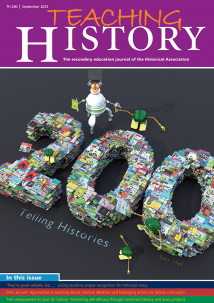 Teaching History 200: Out now
-
 200 editions of Teaching History!
-
Move Me On 200: trainee has found little scope to develop students’ oracy
-
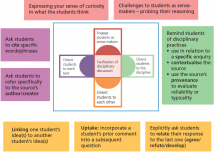 Giving students proper recognition for historical oracy
-
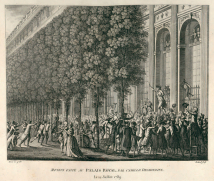 Story time? Investigating using stories about the French Revolution with Year 12
-
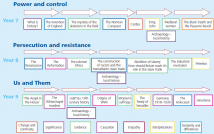 Approaches to teaching about national identities and belonging across the history curriculum
-
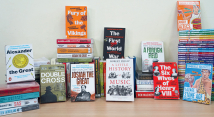 Promoting self-efficacy through combined literacy and oracy projects
-
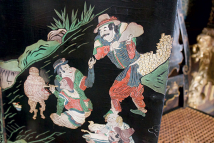 What Have Historians Been Arguing About... global history?
-
 Into the unknown: changing technology and the history classroom
-
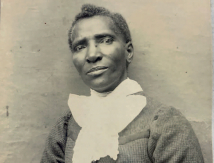 Who was Paul Downing and what can his life tell us about trans history?
-
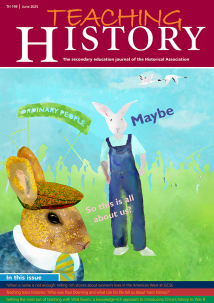 Teaching History 199: Out now
-
 A knowledge-rich approach to introducing China’s history to Year 9
-
 Cunning Plan… for teaching medieval Muslim Spain
-
 What Have Historians Been Arguing About... transnational history
-
Move Me On 199: handling differences between history lead's advice and history teachers' approaches
-
 Helping Year 7 make sense of the 1381 revolt