
Primary History articles
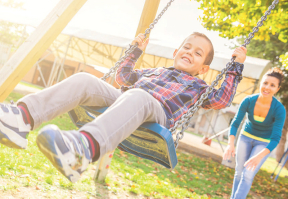
Local parks are important local amenities that both enhance our wellbeing and provide an important contribution to the environment, especially in urban areas. This article identifies ways in which you can explore your local park, an amenity that, is familiar to most children, within its historical perspective. It considers resources...
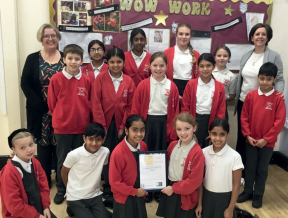
Kate Turner provides a fantastic insight into the way in which their school has achieved the Gold Standard Quality Mark. She demonstrates both the overarching themes that underpin the history curriculum in the school but also their sensitivity to ethnic and cultural diversity, the rich opportunities gained through engaging with...
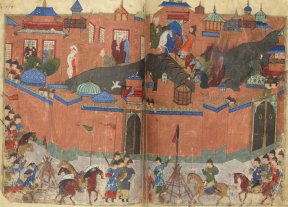
Lucy Hawker demonstrates her school’s approach to teaching early Islam though focusing on its significance and demonstrating how lessons are effectively sequenced to develop subject knowledge and understanding. The article also indicates rich opportunities that this topic provides for links with other subjects...
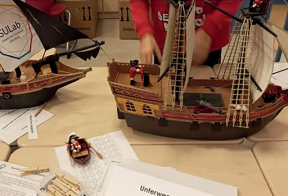
This article describes how children in a German primary school explored some documents from the early modern period (seventeenth and eighteenth centuries) relating to the capture of merchant vessels. It makes use of a digital resource ‘The Prize Papers’ linked to the National Archives and found here: www.prizepapers.de The article...
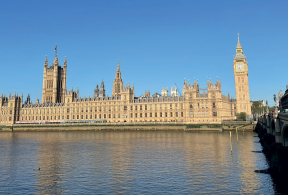
David Carr introduces us to some of the educational resources and opportunities linked to the Houses of Parliament. With the prospect of a general election, it provides some interesting background information as well as suggestions for engaging children with the democratic process...
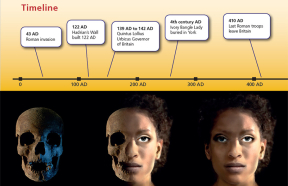
What comes into your mind when you imagine the Romans in Britain? Is it a soldier? Where did they come from? Your first thoughts – from looking at textbooks and re-enactments – might be that they came from Italy. Alf Wilkinson challenges this image and shows that they included men...
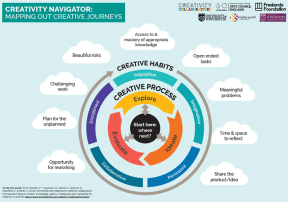
Ask anyone for a list of creative subjects in schools and it is unlikely that history will be top of that list. However, over the last two-and-a-half years we have been working as part of a Creativity Collaborative of schools that seeks to foster creativity across the whole curriculum, including...
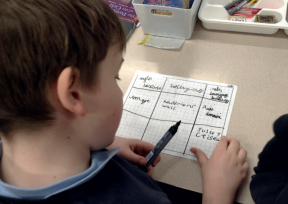
Lindsey Rawes has provided a range of activities which she uses with children to engage them in developing their historical knowledge and understanding. She has included retrieval practice, engaging children as detectives when looking at artefacts, and evaluating the understanding of historical questions through card sorts, considering similarities and differences,...
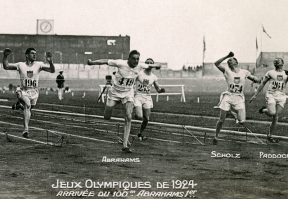
This article will consider how to use the Olympics as a ‘past event’. It will provide material that will allow children to compare and contrast Olympic Games that have been hosted in Paris. They will be encouraged to look at what has changed in relation to the sports, medals and...
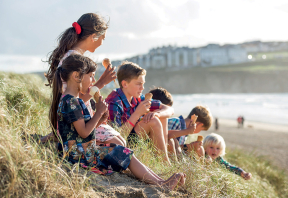
Polly Gillow uses ice cream, something children will readily relate to, as a means of exploring similarities between past and present, drawing on a range of sources and contexts together with practical activities including their sense of taste...
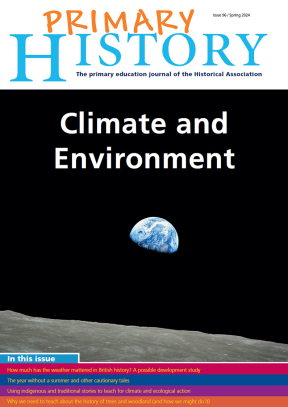
Read Primary History 96: Climate and Environment This edition of Primary History Journal is a special edition. It focuses on the challenge of climate change and the need for sustainability, a challenge that is becoming increasingly urgent. It is a joint project with Teaching History, our secondary counterpart, to which...
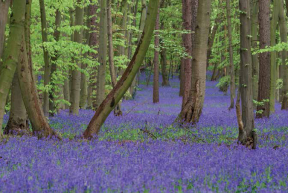
Michael Riley highlights the importance of educating children about the history of trees and woodland. He explores the potential of primary history to develop an understanding of our changing relationship with trees. The article shows how a focus on trees and woodland could enhance an existing history study, and suggests...
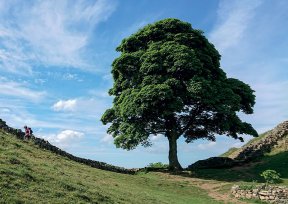
This article includes a compilation of a series of articles about significant trees around Britain. It is hoped that this will prompt readers to explore their own environments, helping children to engage with and enjoy nature. Some of the trees in the article are designated as Great Trees. These were...
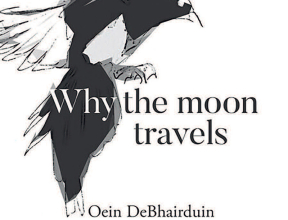
Caitríona Ní Cassaithe and Anne Marie Kavanagh explore how herbs and wild plants were and are used to create natural remedies. They use archive material and oral history to promote and explore indigenous voices. They suggest how this could be applied and developed within your own communities. They also make...
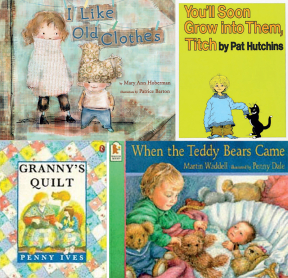
Lucy Hawker has thought about how we might begin to explore the idea of sustainability with very young children. She suggests focussing on why we might save or reuse materials and objects. She presents a loose structure that could be used to develop talk. She also considers how we might...
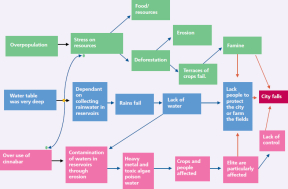
Karin Doull looks at how previous civilisations were affected by natural climate change, often precipitated by volcanic eruptions. She suggests that any investigation into ancient civilisations should consider how physical geography contributed to the initial settlement and development. She argues that we should also look at what might have contributed...
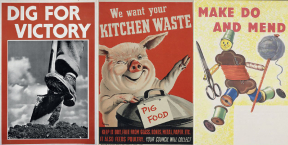
Paul Spear uses World War II government advertising strategies such as ‘Make do and Mend’ to consider how to promote modern campaigns related to sustainability. He investigates what the wartime government did to engage with the population as a whole and generate national action. By analysing how images were used...
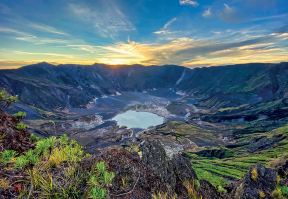
Susie Townsend explores the story of the Tambora volcanic explosion of 1815 and the catastrophic effect that this had on climate around the world. She uses contemporary accounts and images to set the scene. She demonstrates how this one event far away in Indonesia affected climate across the whole world....
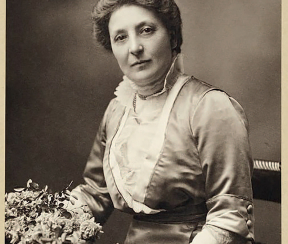
In this article Ailsa Fidler considers Etta Lemon and her role in halting the plume boom, which saw many bird species driven to the edge of extinction, all in the name of fashion. Linking a study of Etta to the government’s policy on Climate Education, the article shows how Etta’s...
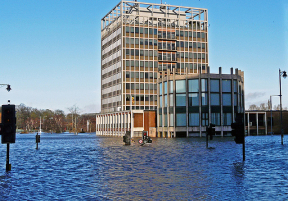
Sue Temple has used her personal experience of flooding around Carlisle as a basis for exploring local history. She suggests strategies for how we can explore events that have occurred in our own environments by making use of photos and oral history to link to the personal and immediate. As...