
Primary History articles
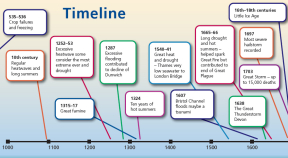
Tim Lomas has considered the effect that weather has had on shaping Britain. He explores how weather conditions and human actions have affected these islands and the communities living here. He suggests three potential areas of investigation. First, he looks at how weather changes might affect crop failure and so...
In this article Alison Kitson and Michael Riley consider the potential of the primary history curriculum to educate children about climate change and sustainability. They suggest some important principles, and a range of strategies, that could be used to develop a stronger emphasis on environmental history in primary history.
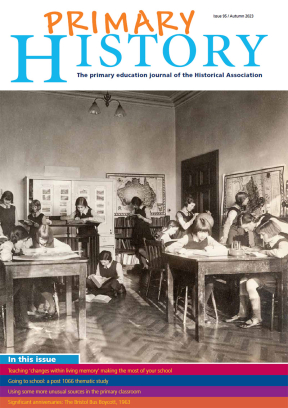
Read Primary History 95 Welcome to Primary History 95! We are now well into the first term of the new school year, and it is heartening to know that children around the country will have been rediscovering the joy of history once again. As historians we are privileged to explore...
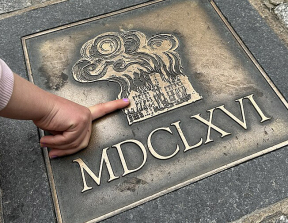
Kate Loveman and James Harrod offer new insights into the Great Fire of London by focussing on the inclusion of Deaf history in this popular topic. They shares the online teaching resources created in their joint partnership between the University of Leicester and the Museum of London. Each year thousands...
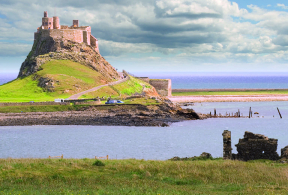
The Holy Island of Lindisfarne is a special place, not just for its stunning scenery and rich bird life, but also for its unique history and medieval religious heritage. This article visits a few of the many places of historical interest on the island and considers ideas for exploring different...
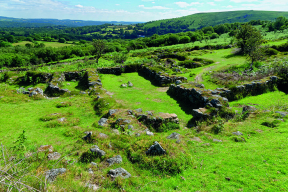
In this article Tim Lomas illustrates how it is valid and creative to go beyond some of the most popular sources used by primary history teachers. He looks at a number of historical enquiries and questions that might be considered as a theme and some sources that might be used....
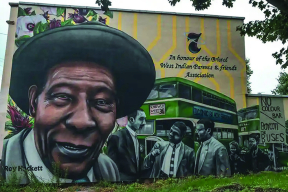
It is sixty years since the Bristol Bus Boycott highlighted race inequalities and discrimination in the workplace. In this article, Stuart Boydell revisits this watershed moment and considers how the Bristol Bus Boycott could be incorporated into the curriculum today. Sixty years ago, Bristol was at the centre of a...
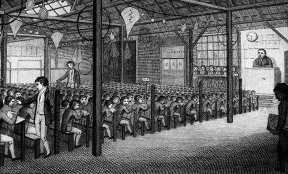
The post-1066 thematic study provides us with a really exciting opportunity to consider something different. While non-statutory guidance provides some suggestions to consider, the actual possibilities are endless and enable us to choose something highly relevant to our schools. In this article, Paul Bracey invites us to explore schooling over...
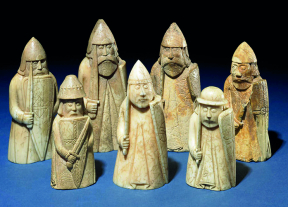
In this timely article, Ailsa Fidler and Chris Russell explore the use of sources and evidence in the teaching of primary history. Referring to Ofsted’s history subject report (July 2023), Ailsa and Chris explore how sources can be used effectively in the classroom and how children’s understanding of the role...
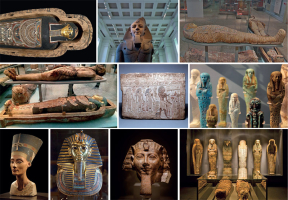
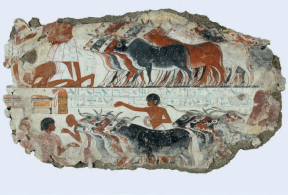
Richard Harris invites us to consider how the teaching of ancient Egypt can be decolonised by considering non-Western perspectives. The article provides a fascinating viewpoint on this popular period of history and shares examples of how this can be explored with children. One of the joys of working in history...
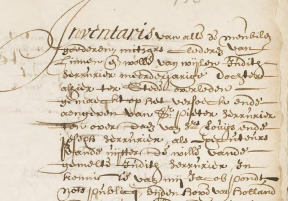
Continuing the focus on using historical sources, this article by Clare Lally introduces us to the use of historical inventories. Using examples from the Tudor period, Clare considers how inventories can be used to explore diversity of experience between rich and poor. At every stage of historical enquiry, from primary...
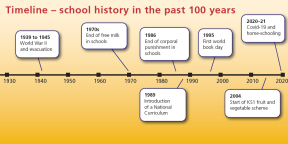
The Key Stage 1 curriculum requires an exploration of changes within living memory, and what better way to do this than discovering the history of your own school! In this article, Helen Crawford and Sandra Kirkland provide guidance and suggested activities to explore change and continuity in your own locality....

Karin Doull considers how we can develop historical thinking in the Early Years in this article about locality and place. Karin offers helpful suggestions for developing historical vocabulary and assessing understanding. How can we seek to encourage Foundation Stage children to engage with historical thinking and processes? What appears to...
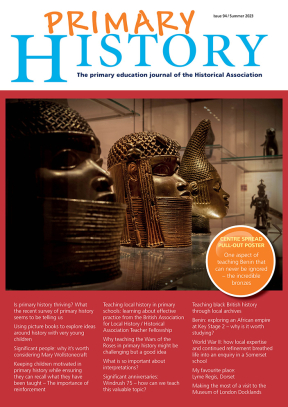
Read Primary History 94 It may be tempting to imagine that a stream of good authors send in a range of articles and all that is needed is to tidy them up a bit and publish. If this were the case there would be no need for an editorial board....
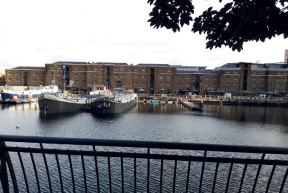
In this article Susie Townsend explores one of her favourite museums, the Museum of London Docklands, and explains why it has a real value and interest far beyond the locality. As well as covering the benefits of a visit, she also provides ideas for teaching activities across the primary age...
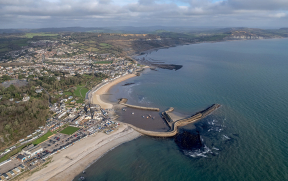
Claire Bradshaw describes why Lyme Regis is a very special place not just for its stunning scenery but for its educational value. It probably has a history dating back to earlier than any other article in the ‘My Favourite Place’ series – this one running into millions of years. The...
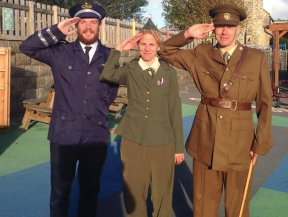
Debbie Doolan explores how the locality of her school, Worle School in North Somerset, was impacted by a significant event, World War II. What is particularly pertinent is not just the range of activities in this topic but the way the theme was refined over a number of years. It...
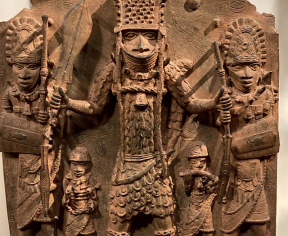
Karin Doull reminds us of the value in studying Benin as a non-European study area and suggests how it might be approached, stressing the importance of placing it in context through comparison. The article addresses worthwhile aspects, key concepts and questions as well as furnishing some key information including extracts...
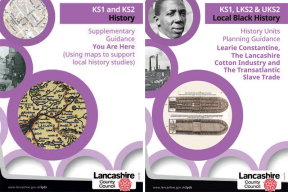
The huge benefits that local archives can bring to primary history are explored by Steven Kenyon. He illustrates this with a case study of Lancashire Archives. The central focus is on ways in which local history can support diversity in the curriculum by providing three examples – one for Key...
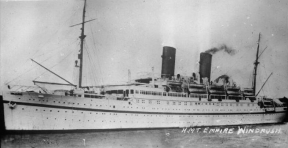
It is 75 years since the ship called the Empire Windrush brought people from the Caribbean to begin a new life in the United Kingdom. Those who also arrived in the years leading up to 1971 are often referred to as ‘the Windrush generation’. Their contribution to Britain socially, culturally...