

Teaching History articles
1075 publications
-
 New, Novice or Nervous? 159: Writing history essays
-
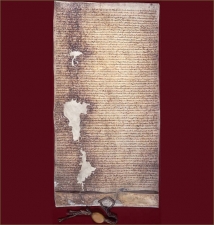 Cunning Plan 159: Putting the people into Magna Carta
-
 The Harkness Method: achieving higher-order thinking with sixth-form
-
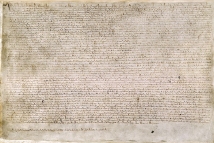 Polychronicon 159: Interpreting Magna Carta
-
 What made your essay successful? I ‘T.A.C.K.L.E.D' the essay question!
-
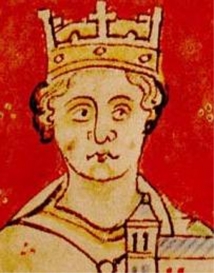 Cunning Plan 159: Was King John unlucky with his Barons?
-
 Move Me On 159: Writing Frames
-
 Triumphs Show 159: teaching paragraph construction
-
 Finding the place of substantive knowledge in history
-
 Historical Perspective & 'Big History'
-
 Developing transferable knowledge at A-level
-
 Transforming Year 11's conceptual understanding of change
-
 Polychronicon 158: Reinterpreting Napoleon
-
 Pedagogical framework for stimulating historical contextualisation
-
 Cunning Plan 158: teaching about the history of the UK Parliament
-
 Move Me On 158: Modelling tasks
-
 Triumphs Show 158: interactive learning walls and substantive vocabulary
-
 Securing contextual knowledge in year 10
-
 Assessment after levels
-
 Building and assessing historical knowledge on three scales
-
 Building meaningful models of progression
-
 Triumphs Show 157: What makes art history?
-
 Polychronicon 157: Reinterpreting police-public relations in modern England
-
 Using timelines in assessment
-
 New, Novice or Nervous? 157: Teaching Overview
-
Move Me On 157: Getting knowledge across
-
 Exploring the challenges involved in reading and writing historical narrative
-
 Polychronicon 156: The transnational history of the First World War
-
Getting medieval (and global) at Key Stage 3
-
 'But why then?' Chronological context and historical interpretations