

Teaching History articles
1075 publications
-
 Looking through the keyhole at Birkenhead from 1900 to 1950 with Year 7
-
 Polychronicon 169: Herodotus
-
 Triumphs Show 169: Using 360 VR Technology with the GCSE Historic Environment study
-
 ‘It’s kind of like the geography part of history, isn’t it, Miss?’
-
 Attempting to reach the heart of the matter
-
 From temple to forum: teaching final-year history students to become critical museum visitors
-
 Using sites for insights
-
 Learning without limits
-
 Designing end-of-year exams: trials and tribulations
-
 Move Me On 168: teaching exam classes
-
 New, Novice or Nervous? 168: Local history
-
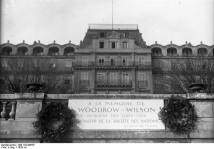 Polychronicon 168: Interwar internationalisms
-
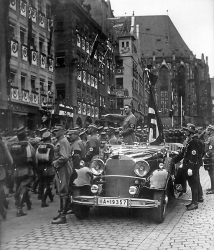 From ‘double vision’ to panorama: exploring interpretations of Nazi popularity
-
 Managing the scope of study
-
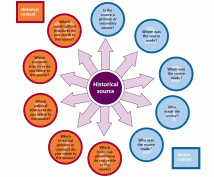 Building the Habit of Evidential Thinking
-
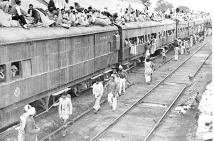 Thinking about… the Partition of British India in August 1947
-
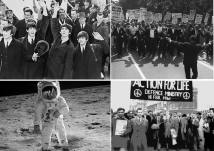 Triumphs Show 167: Keeping the 1960s complicated
-
 Inverting the telescope: investigating sources from a different perspective
-
 Polychronicon 167: The strange career of Richard Nixon
-
 Move Me On 167: Frames of reference
-
 From road map to thought map: helping students theorise the nature of change
-
New, Novice or Nervous? 167: Confidence with substantive knowledge
-
 'I feel if I say this in my essay it’s not going to be as strong’
-
 Cunning Plan 167: teaching the industrial revolution
-
 Why are you wearing a watch? Complicating narratives of economic and social progress
-
 Thinking makes it so: cognitive psychology and history teaching
-
 Move Me On 166: getting the right pitch for GCSE teaching
-
 Polychronicon 166: The ‘new’ historiography of the Cold War
-
 ‘If you had told me before that these students were Russians, I would not have believed it’
-
New, Novice or Nervous? 166: Controversial issues