

Teaching History articles
1075 publications
-
 Counterfactual Reasoning: Comparing British and French History
-
 Dickens...Hardy...Jarvis?! A novel take on the Industrial Revolution
-
 Chatting about the sixties: historical reasoning in essay-writing
-
 'Picture This': A simple technique to teach complex concepts
-
 Move Me On 140: Getting students to generate their own enquiry questions
-
 Bob Dylan and the concept of evidence
-
 Polychronicon 140: Why did the Cold War End?
-
 Being historically rigorous with creativity
-
 Cunning Plan 140: bringing history to life
-
 Triumphs Show 140: leading a school re-enactment group
-
 Move Me On 139: teaching about change and continuity
-
How can students' use of historical evidence be enhanced?
-
 Developing multiperspectivity through cartoon analysis
-
Triumphs Show 139: Whodunnit? The Felling mining disaster of 1812
-
 Deconstructing lazy analogies in Year 9
-
 Polychronicon 139: Civic denouncer: The lives of Pavlik Morozov
-
 Engaging Year 9 with Victorian debates about 'progress'
-
 From human-scale to abstract analysis: Year 7. Henry II & Becket
-
 Disciplining cross-curricularity?
-
Developing meaningful cross-curricular approaches
-
 Making cross-curricular links in history
-
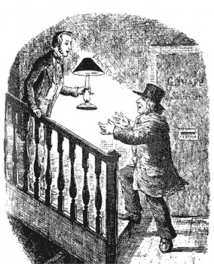 Having 'Great Expectations' of Year 9
-
Triumphs Show 138: a kinaesthetic interpretation of Dover castle
-
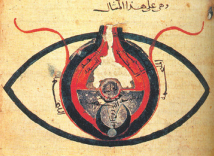 'How do ideas travel?' East meets west - and history meets science
-
Move Me On 138: Uncertain about his Year 7 teaching in a competency based curriculum
-
What about history? Lessons from seven years with project-based learning
-
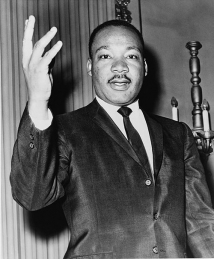 Polychronicon 138: The Civil Rights Movement
-
History's secret weapon: the enquiry of a disciplined mind
-
 Active Historical Thinking
-
Cunning Plan 139: Victorian debates about progress