

Teaching History articles
1075 publications
-
 Circle Time in the secondary history classroom
-
Polychronicon 135: Post-modern Holocaust Historiography
-
 What time does the tune start? From thinking about 'sense of period' to modelling history at Key Stage 3
-
Move Me On 135: Not sure where to draw boundaries when handling sensitive issues
-
Unnatural and essential: the nature of historical thinking
-
Interdisciplinary forays within the history classroom
-
Opportunities, challenges and questions: continual assessment in Year 9
-
Assessment without Level Descriptions
-
Dr Black Box or How I learned to stop worrying and love assessment
-
Rigorous, meaningful and robust: practical ways forward for assessment
-
Move Me On 134: Getting enough A-level experience
-
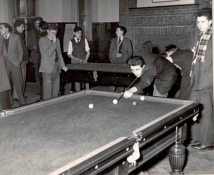 'How our area used to be back then': An oral history project in an east London school
-
Factors influencing pupil take-up of history post Key Stage 3: an exploratory enquiry
-
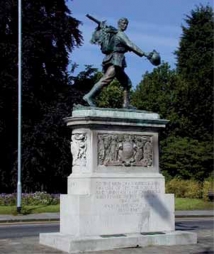 Polychronicon 134: The Great War and Cultural History
-
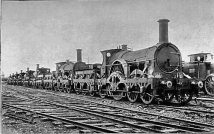 Riots, railways and a Hampshire hill fort: Exploiting local history for rigorous evidential enquiry
-
Cunning Plan 134: local history at KS3
-
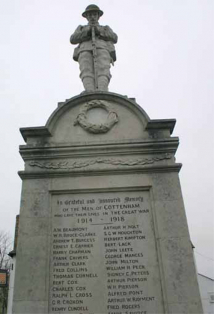 Relevant, rigorous and revisited: using local history to make meaning of historical significance
-
 Distant voices, familiar echoes: exploiting the resources to which we all have access
-
Triumphs Show 133: Little Miss Cold War
-
How to make historical simulations adaptable, engaging and manageable
-
Using remote voting to involve everyone in classroom thinking at AS and A2
-
Stories and their sources: the need for historical thinking in an information age
-
 Raising the bar: developing meaningful historical consciousness at Key Stage 3
-
Making pupils want to explain: using Movie Maker to foster thoroughness and self-monitoring
-
Move Me On 133: Relying too much on teacher talk and alienating students
-
What do you think? Using online forums to improve students' historical knowledge and understanding
-
Polychronicon 133: The Crusader States in the Levant
-
Challenging not balancing: developing Year 7's grasp of historical argument through online discussion and a virtual book
-
Triumphs Show 133: Getting more pupils choosing History at GCSE
-
Professional wrestling in the history department: a case study in planning the teaching of the British Empire at key stage 3