
Teaching History articles
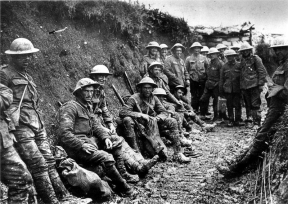
Year 9 think they know a lot about the First World War. After all, they read Michael Morpurgo's novel Private Peaceful in their English lessons all the way back in Year 7, they've seen Blackadder so many times they can recite it, and in the centenary year of the war's...
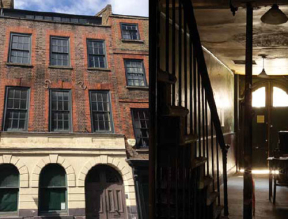
A host of histories: helping Year 9s explore multiple narratives through the history of a house Described by the author Monica Ali as a building that ‘sparks the imagination and sparks conversations', 19 Princelet Street, now a Museum of Diversity and Immigration, captivated the imagination of teacher David Waters. He...
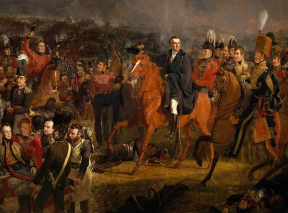
Defying the Iron Duke: assessing the Battle of Waterloo in the classroom The approaching bicentenary of the Battle of Waterloo has stimulated debate about how it should be commemorated. This article reports a collaboration between the Waterloo200 Committee and Tom Wheeley, history teacher, to create a lesson sequence analysing the...

This page is for those new to the published writings of history teachers. Every problem you wrestle with, other teachers have wrestled with too. Quick fixes don't exist. But if you discover others' writing, you'll soon find - and want to join - something better: an international conversation in which...

This issue's problem: Fred North treats ‘Assessment for Learning' as though it is a bolt-on extra unconnected to his learning objectives Fred is an enthusiastic trainee who has generally made a good impression on students and colleagues over the course of his first term. He has been determined to establish...
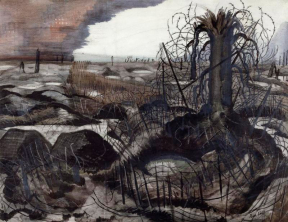
A world turned molten: helping Year 9 to explore the cultural legacies of the First World War Rachel Foster shows how her own study of cultural history led to a new dimension in her planning. She wanted to show her students not only that historians are interested in many different...
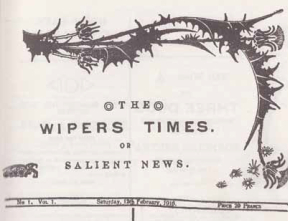
Teaching ‘the lesson of satire': using The Wipers Times to build an enquiry on the First World War ‘Blackadder for real' is how the British journalist and broadcaster, Ian Hislop, characterised The Wipers Time, the newspaper published on the front line by members of the 12th Battalion Sherwood, and recently...
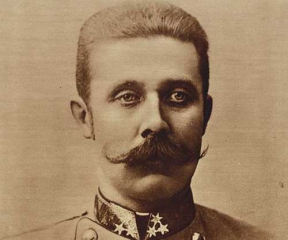
As I write this article I have before me my grandfather's Victory Medal from the First World War. It has inscribed on the reverse side, ‘The Great War for Civilisation 1914-1919'. The absolute certainty of such a justification for Britain's entry into the war seems somewhat hollow as we approach...
It is very common for people in politics and the media to make assumptions about what happens in history classrooms. Too often these preconceptions are based on little more than anecdote, examples from the Internet or memories of what someone experienced at school themselves. In this article, Catriona Pennell reports...

Enquiry Question: What's worth knowing about the First World War? At the end of our scheme of work on the First World War, I asked myself how I might encourage my Year 9 pupils to reflect on the historical significance of the events we had studied. I was particularly interested...
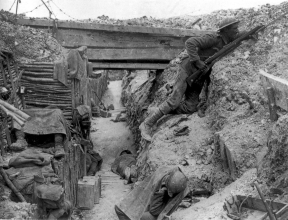
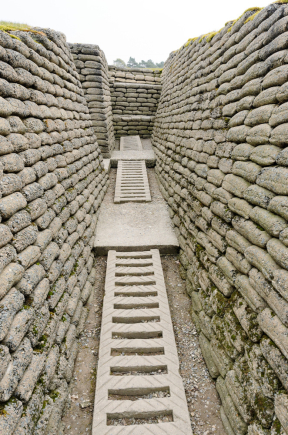
Remembering the First World War: Using a battlefield tour of the Western Front to help pupils take a more critical approach to what they encounter The first year of the government's First World War Centenary Battlefield Tours Programme is now under way, allowing increasing numbers of students from across Britain...
Towards victory in that battle... 10A were nearly a term into their GCSE history course, working on an 1890-1918 British history ‘depth study'. They had already completed work on the Liberal welfare reforms and on the women's suffrage movement, and they had been practising a range of source evaluation approaches....
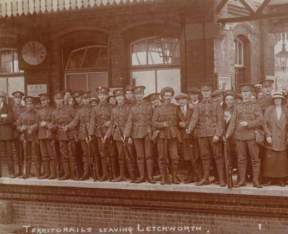
Writing Letchworth's war: developing a sense of the local within historical fiction through primary sources Local history, historical fiction, and one of the most significant events of the twentieth century come together in this article as Jon Grant and Dan Townsend suggest a way to enable students to produce better...
This issue's problem: Helena Swannick tends to treat differences between historical interpretations simply as matters of opinion. Helena Swannick is a career changer who has decided to come into teaching after many years' working in human resources and some time at home caring for two young children. Her degree was...
This page is for those new to the published writings of history teachers. Every problem you wrestle with, other teachers have wrestled with too. Quick fixes don't exist. But if you discover others' writing, you'll soon find - and want to join - something better: an international conversation in which...
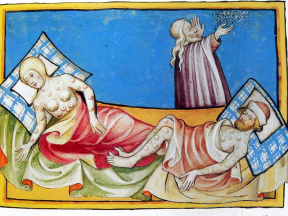
Period, place and mental space: using historical scholarship to develop Year 7 pupils' sense of period What is a sense of period? And how can pupils' sense of period be developed? Questions such as these have troubled history teachers for many years, often revolving around debates over the role played...
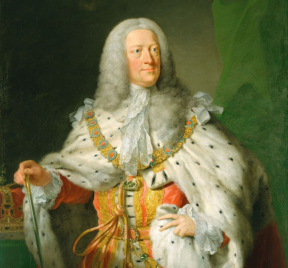
Making sense of the eighteenth century Pressures on curriculum time force us all to make difficult choices about curriculum content, but the eighteenth century seems to have suffered particular neglect. Inspired by the tercentenary of the accession of the first Georgian king and the interest in the Acts of Union...
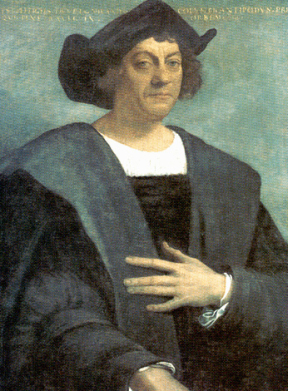
Combating a Cook-centric past through co-curricular learning: Year 9 dig out maps and rulers to challenge generalisations about the Age of Discovery Paula Worth presents in this article a means of challenging students' tendency to generalise even when they know that they should not. How can we encourage our students...
Question: Who is buried in the box? Seeking a new and exciting way to introduce my Year 7 students to history, I looked to a practical solution. Ian Dawson once used a Thinking History exercise where students looked at the idea of ‘layers of history'. It was useful in structuring...
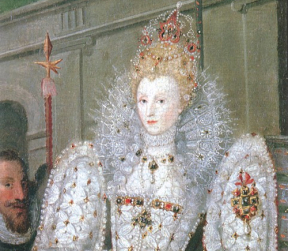
Elizabeth I is admired today for her power dressing and her power portraits; her political acumen and her success in a man's world. The adulation of Elizabeth started during her own lifetime when she was praised as a goddess and even as a celestial power. Elizabeth's semi-mythical status is reflected...