

Teaching History articles
1075 publications
-
 Tripping over the levels: experiences from Ontario
-
Making learning drive assessment: Joan of Arc - saint, witch or warrior?
-
Question: When is a comment not worth the paper it's written on? Answer: When it's accompanied by a Level, grade or mark!
-
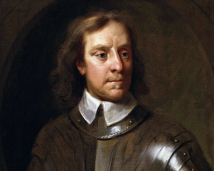 Polychronicon 114: interpretations of Oliver Cromwell
-
The teaching and learning of history for 15-16 year olds: have the Japanese anything to learn from the English experience
-
Empathy without illusions
-
Using fictional characters to explore the relationship between historical interpretation and contemporary attitude
-
'Please send socks': How much can Reg Wilkes tell us about the Great War?
-
Cunning Plan 114: building overview understanding of 19th-century social history
-
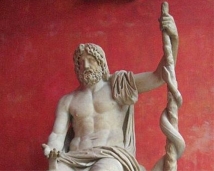 Move Me On 114: Teaching history of medicine at GCSE
-
Stretching the straight jacket of assessment: use of role play and practical demonstration to enrich pupils' experience of history at GCSE and beyond
-
Move Me On 113: Getting pupils to really care about what happened in the past
-
Keeping the kids on message...one school's attempt at helping sixth form students to engage in historical debating using ICT
-
Triumphs Show 113: How to make the Elizabethan Religious Settlement sufficiently complicated for Year 8
-
Polychronicon 113: slavery in 20th-century America
-
A scaffold, not a cage: progression and progression models in history
-
JFK: the medium, the message and the myth
-
Camels, diamonds and counterfactuals: a model for teaching causal reasoning
-
'Britain was our home': Helping Years 9, 10, and 11 to understand the black experience of the Second World War
-
Triumphs Show 112: William Bent and family: a personal timeline of the Plains Wars
-
Cunning Plan 112: Empire
-
Polychronicon 112: The Angevin Empire
-
Confounding expectation at Key Stage 3: flower-songs from an indigenous empire
-
Move Me On 112: Has problems with his subject knowledge
-
Transforming Year 7's understanding of the concept of Imperialism: a case study on the Roman Empire
-
Using this map and all your knowledge, become Bismarck
-
A complex empire: National Archives Learning Curve takes on the British Empire
-
History's future: facing the challenge
-
'Really weird and freaky': using a Thomas Hardy short story as a source of evidence in the Year 8 classroom
-
Reading and enquiring in Years 12 and 13