

Teaching History articles
1075 publications
-
 Cunning Plan 178: How far did Anglo-Saxon England survive the Norman Conquest?
-
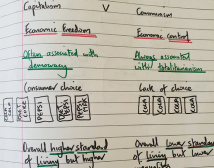 Training for the marathon: history at Michaela
-
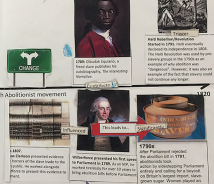 Unravelling the complexity of the causes of British abolition with Year 8
-
 What’s the wisdom on… enquiry questions
-
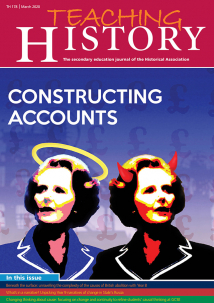 Teaching History 178: Out now
-
Cunning Plan 177: teaching about life in Elizabethan England by looking at death
-
 Move Me on 177: using questioning effectively
-
 Historical scholarship, archaeology and evidence in Year 7
-
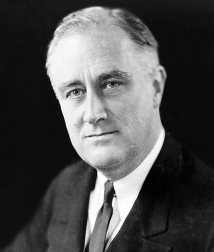 Polychronicon 177: The New Deal in American history
-
 Historical and interdisciplinary enquiry into the sinking of the Mary Rose
-
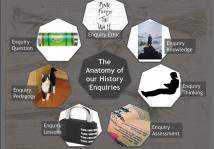 Anatomy of enquiry: deconstructing an approach to history curriculum planning
-
What’s the wisdom on… Interpretations of the past
-
 Bridging the gap: supporting early career teachers’ professional development as history teachers
-
 Modelling the discipline
-
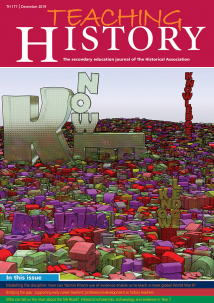 Teaching History 177: Out now
-
 Triumphs Show 176: Using material culture as a means to generate an enquiry on the British Empire
-
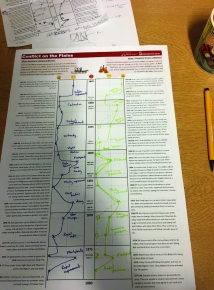 Using historical discourse to find narrative coherence in the GCSE period study
-
 Using narratives and big pictures to address the challenges of a 2-year KS3 curriculum
-
 Harnessing the power of community to expand students’ historical horizons
-
What’s the wisdom on… Evidence and sources
-
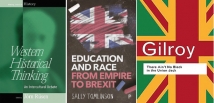 Thinking beyond boundaries
-
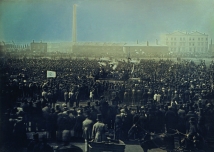
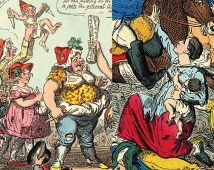 Polychronicon 176: Peterloo, 1819–2019
-
 Teaching Year 8 pupils to take seriously the ideas of ordinary people from the past
-
Move Me On 176: worried about how to deal with his own dyslexia in the classroom
-
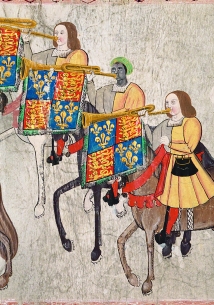 Widening the early modern world to create a more connected KS3 curriculum
-
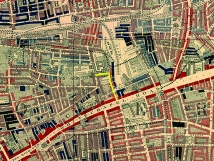 Using an anthology of substantial sources at GCSE
-
Move Me On 175: paying attention to why topics have been included in schemes of work
-
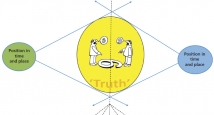 Confronting conflicts: history teachers’ reactions to spontaneous controversial remarks
-
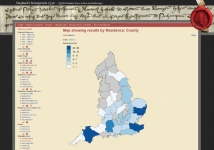 Cunning Plan 175: Using the England's Immigrants database
-
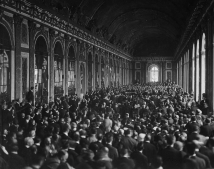 Polychronicon 175: Paris 1919 – a century on