

Teaching History articles
1075 publications
-
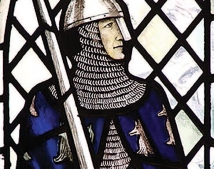 The dialogic dimensions of knowing and understanding the Norman legacy in Chester
-
 What’s the wisdom on… Causation
-
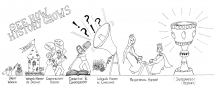 How should women’s history be included at Key Stage 3?
-
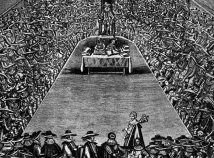 Planning increasingly complex causal models at Key Stage 3
-
 Teaching History 175: Out now
-
 Teaching Year 9 to take on the challenge of structure in narrative
-
 Making reading routine
-
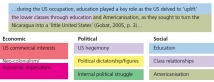 Absence and myopia in A-level coursework
-
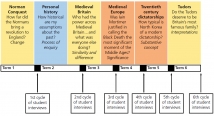 Structuring a history curriculum for powerful revelations
-
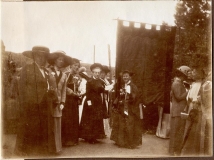 Polychronicon 174: Votes for Women
-
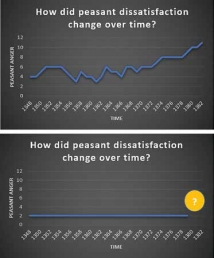 Using diagrammatic representations of counterfactuals to develop causal reasoning
-
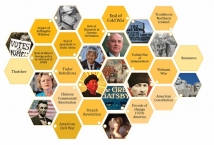 Allowing A-level students to choose their own coursework focus
-
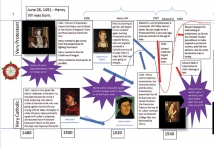 Exploring the importance of local visits in developing wider narratives of change and continuity
-
 New, Novice or Nervous? 174: Building students' historical talk
-
 Cunning Plan 174: creating a narrative of the interwar years
-
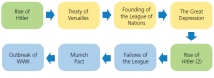 What kinds of feedback help students produce better historical narratives of the interwar years?
-
 Move Me On 174: Not doing all the thinking for the students
-
 Teaching History regular features
-
Move Me On 173: teaching the GCSE thematic study
-
 ‘I need to know…’: creating the conditions that make students want knowledge
-
New, Novice or Nervous? 173: including BME history in the curriculum
-
 Polychronicon 173: From American Indians to Native Americans
-
 Triumphs Show 173: Teaching Black Tudors
-
 Identity in history: why it matters and must be addressed!
-
 Hidden in plain sight: the history of people with disabilities
-
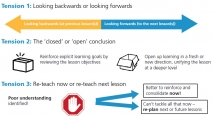 Here ends the lesson: shaping lesson conclusions
-
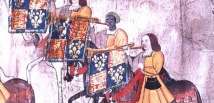 Cunning Plan 173: using Black Tudors as a window into Tudor England
-
Acquainted or intimate? Background knowledge and subsequent learning
-
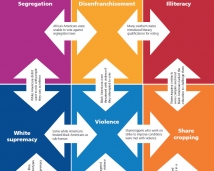 ‘Its ultimate pattern was greater than its parts’
-
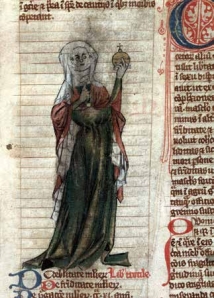 Polychronicon 172: Health in the Middle Ages