

Teaching History articles
1075 publications
-
 The devil is the detail
-
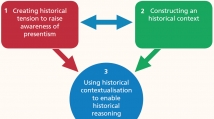 ‘Man, people in the past were indeed stupid’
-
 New, Novice or Nervous? 172: Curriculum planning
-
 Move Me On 172: Not just relying on the textbook
-
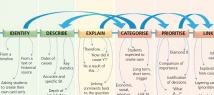 From flight paths to spiders’ webs: developing a progression model for Key Stage 3
-
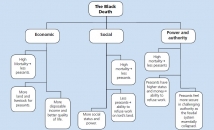 Dealing with the consequences
-
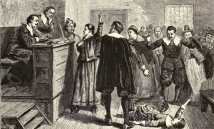 Couching counterfactuals in knowledge when explaining the Salem witch trials with Year 13
-
 Triumphs Show 172: The history classroom lending library
-
 Triumphs Show 171: preparatory reading for A-level essays
-
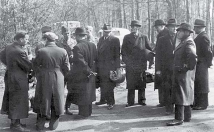 Polychronicon 171: Policing in Nazi Germany
-
New, Novice or Nervous? 171: Teaching Medieval History
-
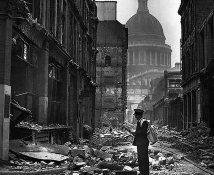 Trampolines and Springboards
-
Move Me On 171: Using existing lesson plans
-
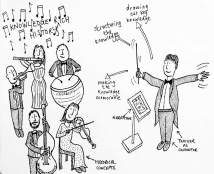 Conducting the orchestra to allow our students to hear the symphony
-
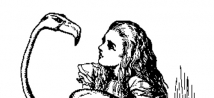 ‘Through the looking glass’
-
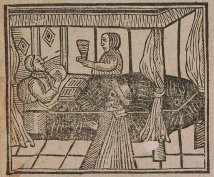 Seeing beyond the frame
-
 The particular and the general
-
New, Novice or Nervous? 170: Building students’ historical argument
-
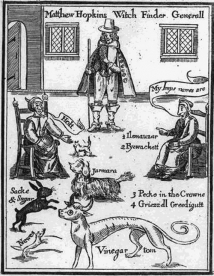 Myths and Monty Python: using the witch-hunts to introduce students to significance
-
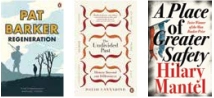 Reading? What reading?
-
 ‘This extract is no good, Miss!’
-
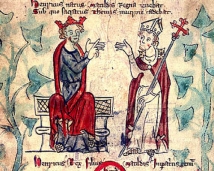 Polychronicon 170: The Becket Dispute
-
 Anything but brief: Year 8 students encounter the longue durée
-
Move Me On 170: adapting to a second school
-
 Triumphs Show 170: making a place for fieldwork in history lessons
-
 Right up my street: the knowledge needed to plan a local history enquiry
-
 Hosting teacher development at historical sites: the benefits for classroom teaching
-
New, Novice or Nervous? 169: Developing a sense of place
-
 Move Me On 169: Planning a local history enquiry
-
 Defying the ‘constrictive grip of typologies’