
Teaching History articles

Please note: this article pre-dates the 2014 National Curriculum and some content may be outdated. England's Qualification and Curriculum Development Authority (QCDA) has been working on a new way of trying to support teachers in handling interim assessment during Key Stage 3. It is called Assessing Pupil Progress (APP). Jerome...

Please note: this article pre-dates the 2014 National Curriculum and some content may be outdated. A trip to the battlefields of the First World War throws into stark relief the challenges presented by work on interpretations related to historical sites. Andrew Wrenn first drew attention to the difficulties of promoting...
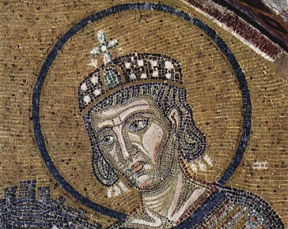
Please note: this article pre-dates the 2014 National Curriculum and some content may be outdated. Concerns about our ability to equip young people with a frame of reference that they can actually use to orient themselves in time are widespread. The challenges were extensively debated within the last issue of...

Assessing through reflection: How one history department has found a way to satisfy the Senior Leadership Team, parents and pupils through tightly focused self-assessment Teachers are caught between a rock and hard place when it comes to assessment. Senior leaders want to see evidence of regular ‘levelling' while (most) pupils...

Ever since I started teaching, homework has been something of a bugbear. Administration alone is a hassle: not only remembering when to set and collect it in, but keeping track of the various students who fail to deliver anything on time (except highly creative excuses) and of the follow-up action...

Please note: this article pre-dates the 2014 National Curriculum and some content may be outdated. Peter Seixas recounts the development of a history education reform project in Canada. Like all good histories, it is a complex story and a matter of unanticipated consequences and ironic narrative twists. Seixas' history is,...

Please note: this article pre-dates the 2014 National Curriculum and some content may be outdated. What do we know about progression in historical understanding? In Teaching History 113, Lee and Shemilt discussed what progression models can and cannot do to help us think about measuring and developing pupils' understanding and...
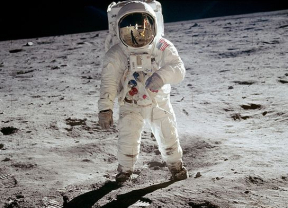
It nearly began like this: ‘On Christmas Eve 1968, two episcopalians and a Roman Catholic were in orbit around the Moon.' I was writing a book called Earthrise, about the first views of Earth from space. Most other books about the Apollo programme of the 1960s and 1970s took an...

Please note: this article pre-dates the 2014 National Curriculum and some content may be outdated. Scott Allsop helped his students to uncover the implicit criteria informing someone else's attribution of historical significance to past events. That ‘someone else' was Billy Joel whose 1989 song became the focus for deconstructive analysis....

This issue's problem: Ellen Wilkinson regards her PGCE assignments as an unhelpful distraction from the real business of learning to teach. Ellen has just had her first PGCE assignment returned to her by her tutor and is furious about the comments she has received and the indicative Masters level mark...
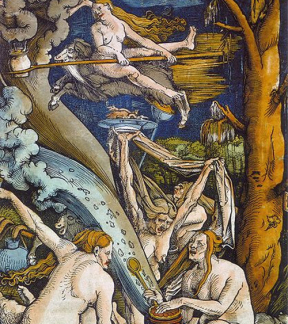
Please note: this article pre-dates the 2014 National Curriculum and some content may be outdated. Many history teachers are inspired by the work of historians and want to share their stories and arguments with students in school. Hywel Jones found Malcolm Gaskill's Witchfinders ‘gripping and intriguing'. He decided to use...
Please note: this article pre-dates the 2014 National Curriculum and some content may be outdated. A great deal has been written about causation in the pages of Teaching History. From camels to linguistics, this is a second-order concept that teachers and pupils frequently deliberate. Departments balance the need for substantive...
Devising worthwhile and engaging homework tasks, week in week out, can prove both demanding and frustrating - particularly in contexts where we know students will have be chased to complete them. How can we make homework planning easier and more effective - and cut down the time spent chasing recalcitrant...
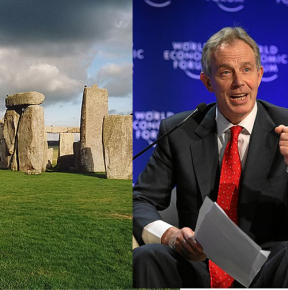
Please note: this article pre-dates the 2014 National Curriculum and some content may be outdated. Jonathan Howson summarises findings from the recent ESRC funded research project - Usable Historical Pasts - and suggests how its insights might inform continuing professional debate and enquiry concerning both frameworks and ‘big pictures'. In...
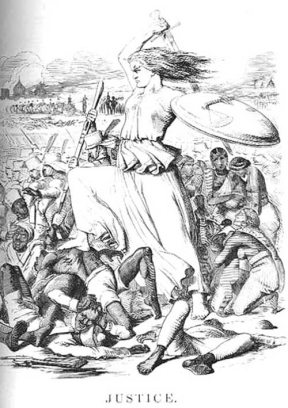
Please note: this article pre-dates the 2014 National Curriculum and some content may be outdated. Sarah Gadd attempted to re-think her department's usual approach to the two-year Key Stage 3. Concerned that a thematic approach might not be securing the overview perspective it was designed to achieve, she decided instead...
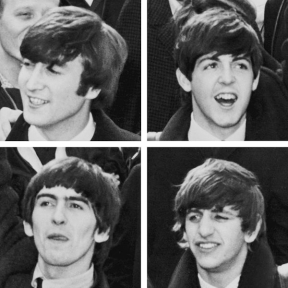
‘The Beatles were history-makers from the start,' proclaimed the liner notes for the band's first LP in March 1963. It was a bold claim to make on behalf of a beat combo with one charttopping single, but the Beatles' subsequent impact on 1960s culture put their historical importance (if not...

Help nutshell! I hear that all new history teachers being trained now have to have a Masters degree. Please note: this article pre-dates the 2014 National Curriculum and some content may be outdated. It's certainly not compulsory, but you're right that a new kind of Masters course - a Masters...
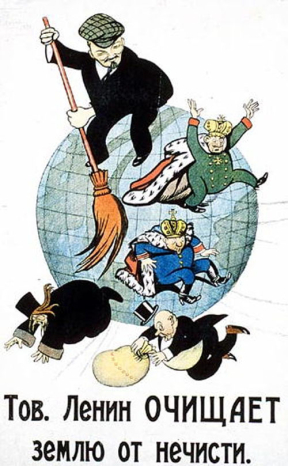
Please note: this article pre-dates the 2014 National Curriculum and some content may be outdated. Ed Brooker is as concerned as the other authors within this edition that students should be able to see and make meaning out of ‘big pictures' of the past. He is acutely aware, however, that...
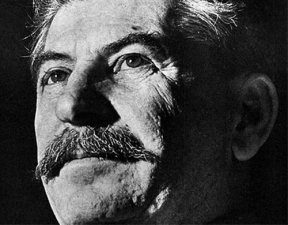
Please note: this article pre-dates the 2014 National Curriculum and some content may be outdated. School history teachers are not the only ones wrestling with the challenges of building ‘big pictures' that do justice to complexity. In this article, social and cultural historian Penelope Corfield puts our interest in long-term...
This issue's problem: Ernest Briggs, who wants pupils to engage with the real lives of ordinary people in the past, is struggling to learn to teach courses that he thinks are too narrowly focused on elite politics and international relations. Ernest, initially one of the most animated and enthusiastic trainees...