
Teaching History articles

Unpacking the suitcase and finding history: doing justice to the teaching of diverse histories in the classroom It has become a truism that Britain is a multi-cultural society yet, as Mohamud and Whitburn argue, there is still a great deal of thinking to be done by history teachers in accounting...
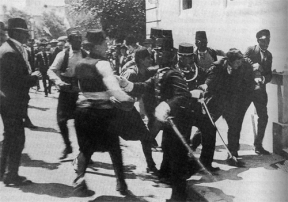
Waking up to complexity: using Christopher Clark's The Sleepwalkers to challenge over-determined causal explanations Teaching student to construct causal argument is a staple of history teaching and, in this year, questions about the causes of the First World War are particularly pertinent and once again the public eye. Claire Holliss,...
As another World Book Day goes past, you have been watching the English department wax lyrical about all of the wonderful books that pupils might read. You know that there is a wealth of well-written historical scholarship out there for pupils to dive into, yet you are not sure about...

This issue's problem:Joe Priestley is having problems providing sufficient challenge for the higher attainers within his mixed ability groups Joe Priestley has settled into his training placement very well and has impressed other members of the history department with his lively and engaging ideas. In his early teaching he was...

A short 20 years: meeting the challenges facing teachers who bring Rwanda into the classroom As the twentieth anniversary of the 1994 genocide in Rwanda approaches, Mark Gudgel argues that we should face the challenges posed by teaching about Rwanda. Drawing on his experience as a history teacher in the...
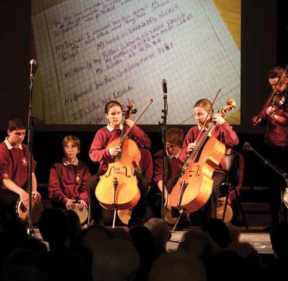
James Woodcock continues his theme from Teaching History 138 about the difference between superficial, thematic cross-curricularity and much more rigorous interdisciplinarity. His concern is to retain rather than compromise the integrity of the subject disciplines. Woodcock argues that interdisciplinary working adds value to learning only when the knowledge and the...
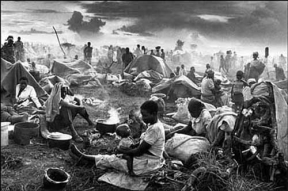
Connecting the dots: helping Year 9 to debate the purposes of Holocaust and genocide education Why do we teach about the Holocaust and about other genocides? The Holocaust has been a compulsory part of the English National Curriculum since 1991; however, curriculum documents say little about why pupils should learn...
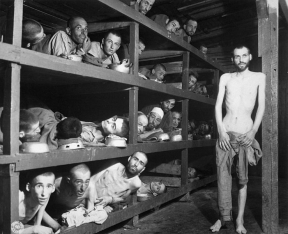
Patterns of genocide: can we educate Year 9 in genocide prevention? Alison Stephen, who has wrestled for many years with the challenges of teaching emotional and controversial history within a multiethnic school setting, relished the opportunity to link her school's teaching of the Holocaust with a comparative study of other...
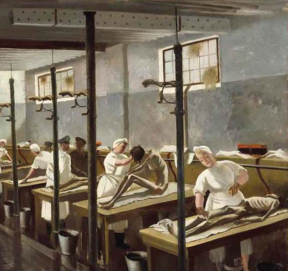
‘Never again'? Helping Year 9 think about what happened after the Holocaust and learning lessons from genocides ‘Never again' is the clarion call of much Holocaust and genocide education. There is a danger, however, that it can become an empty, if pious, wish. How can we help pupils reflect seriously...
In August 1945, Zalman Grinberg, a doctor from Kovno and spokesman for the Liberated Jews in the American Zone of Germany, addressed 1,700 Jewish survivors. ‘What is the logic of destiny to let these individuals remain alive?!' he asked them: We are free now, but we do not know what...
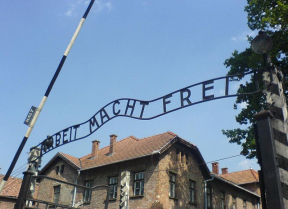
‘It made my brain hurt, but in a good way': helping Year 9 learn to make and to evaluate explanations for the Holocaust Why genocides occur is a perplexing and complex question. Leanne Judson reports a strategy designed to help students think about perpetration and evaluate and propose explanations for...
This page is for those new to the published writings of history teachers. Every problem you wrestle with, other teachers have wrestled with too. Quick fixes don't exist. But if you discover others' writing, you'll soon find - and want to join - something better: an international conversation in which...
It is common practice to invite survivors of the Holocaust to speak about their experiences to pupils in schools and colleges. Systematic reflection on the value of working with survivors of the Holocaust and other genocides and on how to make the most of doing so is rarer, however. In...
This issue's problem: Susie Cook is struggling to sustain an emphasis on developing historical knowledge and understanding in teaching about genocide. Susie Cook worked for nearly ten years as a web designer before deciding to move into teaching. Once she had secured her place on the programme she spent several...
‘But I still don't get why the Jews': using cause and change to answer pupils' demand for an overview of antisemitism Research by the Centre for Holocaust Education has suggested that students need and want more help with building an overview of the historical roots of antisemitism and that they...

How many people does it take to make an Essex man? Year 9 face up to historical difference Teaching her Key Stage 3 students in Essex, Catherine McCrory was struck by the stark contrast between their enthusiasm for studying diverse histories of Africa and the Americas and their reluctance to...
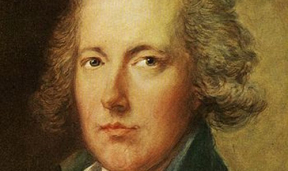
The past 30 years have seen a general revival in scholarly activity relating to ‘all aspects of 18th-century British history'. However, this increase in academic study, which has broadly coincided with the introduction and development of the National Curriculum in England, has not resulted in the period being studied in...
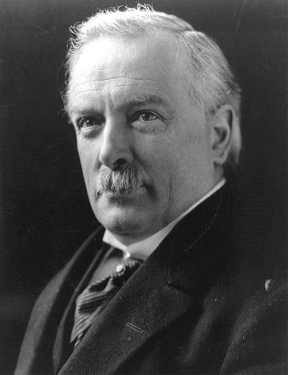
Let's play Supermarket ‘Evidential' Sweep: developing students' awareness of the need to select evidence Despite having built a sustained focus on historical thinking into their planning for progression across Years 7 to 13, Rachel Foster and Sarah Gadd remained frustrated with stubborn weaknesses in the evidential thinking of students in...

The workhouse has long held a negative reputation in the popular imagination as the dreaded destination of the destitute, an institution guaranteed to strike fear into the hearts of the Victorian poor. This is partly owing to its design under the New Poor Law of 1834 as an explicit punishment...

A place for individual enquiry? Why we would miss controlled assessments in history Most history teachers will, at some point, recognise the tension between teaching an engaging history course while at the same time meeting the requirements of an exam specification. Mark Fowle and Ben Egelnick reflect here on how...