

Primary History articles
797 publications
-
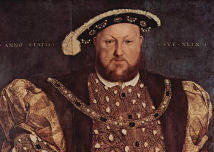 From Kings To Queens to Sources and Evidence
-
 The importance of history teaching
-
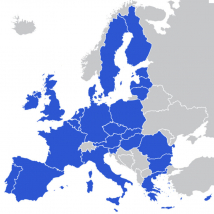 Britain, Europe and the World?
-
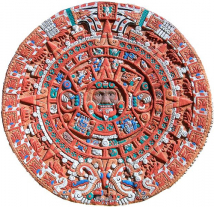 Long ago or far away: the Global perspective
-
 Campaign: Make an impact and history
-
 Dimensions Of Britishness: Cultural Diversity and Ethnicity
-
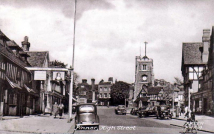 The History around us: Local history
-
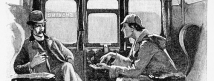 Pupils as apprentice historians (1) - History Detectives
-
What history should we teach? The HA Primary Survey
-
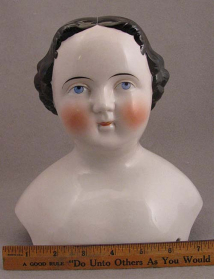 Pupils as apprentice historians (3)
-
Planning for history - the coordinator's perspective
-
Pupils as apprentice historians (4)
-
Monitoring, assessment, recording and reporting
-
Integration and cross-curricularity: History, Humanities And Social Studies
-
Differentiation: Gifted and Talented
-
Planning with literacy
-
Popular history: Using the media
-
Powerful Pedagogy
-
Principles for a history curriculum
-
Children's Thinking: Developmental psychology and history education
-
British National Curricula For History 1989-2011
-
Pupils as apprentice historians (2)
-
Dig it: Literacy, ICT, Archaeology and History
-
 An integrated literacy and history unit of work
-
 Learning to engage with documents through role play
-
 Why did you write it like a story rather than just saying the information?
-
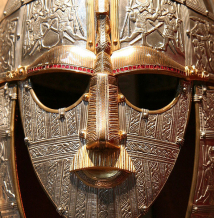 Difficult and challenging reading: Genre, text and multi-modal sources
-
 Reading the Past: Written and printed sources
-
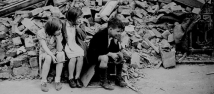 Bringing an information text to life: Pets in the Blitz
-
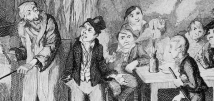 Using classic fiction to support the study of childhood in Victorian times