

Primary History articles
808 publications
-
 Children's Thinking: Developmental psychology and history education
-
British National Curricula For History 1989-2011
-
Powerful Pedagogy
-
 An integrated literacy and history unit of work
-
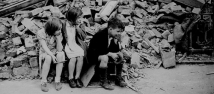 Bringing an information text to life: Pets in the Blitz
-
 Learning to engage with documents through role play
-
 Why did you write it like a story rather than just saying the information?
-
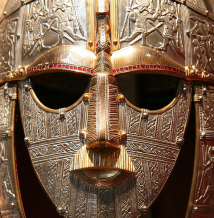 Difficult and challenging reading: Genre, text and multi-modal sources
-
 Reading the Past: Written and printed sources
-
Dig it: Literacy, ICT, Archaeology and History
-
 Doing history in the early years and foundation stage
-
 Printed pictures with text: Using cartoons as historical evidence
-
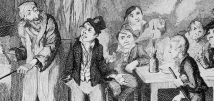 Using classic fiction to support the study of childhood in Victorian times
-
 Local history: young children using written, printed and multimodal sources
-
 Reading Sources Using Textbreaker
-
ICT and Local History
-
Case Study: Teaching World War 1 and professional development
-
 Think Bubble 54 - Arte facts - Get my Meaning?
-
A history of the world - 100 objects that tell a story
-
Throw away the worksheets!
-
Extending Primary Children's thinking through artefacts
-
A view from the KS1 classroom - investigating an artefact
-
History, artefacts and storytelling in the 2011 primary curriculum
-
Artefacts and art facts: images of Sir Francis Drake
-
Doing history with objects - A museum's role
-
Sutton Hoo - Classroom archaeology in the digital age
-
Using a local historical figure as a stimulus for history in the English National Curriculum
-
'Be bloody, bold and resolute': Two possible interpretations of 'local history'
-
Introducing local history: the Fusehill Workhouse Project
-
Oral history - a source of evidence for the primary classroom