
Chronological Understanding
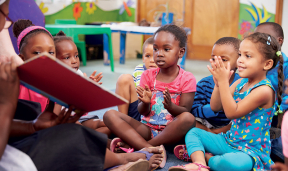
Children in nursery and reception classes do not, of course, learn history. They meet the subject for the first time when they start Year 1. However, what children learn – and how they learn – in EYFS is important for preparing them to learn history. This goes beyond building knowledge...
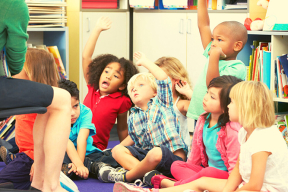
A new Early Years Foundation Stage framework will become statutory from September 2021. Around three thousand primary schools in England are already implementing this revised framework – these settings have been deemed early adopter schools. The actual curriculum for EYFS is not changing. There will still be seven areas of...
Developing secure chronological understanding is an essential aspect of effective history learning. Chronological understanding develops over time and children’s progress in this can be most effectively secured if schools plan for development in this area and provide opportunities for children to build upon their understanding throughout their time in school....
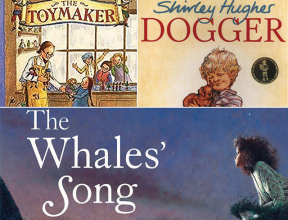
Stories can be used as starting points for planning topics. Activities suggested below relate to ‘Understanding the world’ including Early Learning Goal 13 – People and communities: Children talk about past and present events in their own lives and in the lives of family members. They know about similarities and...
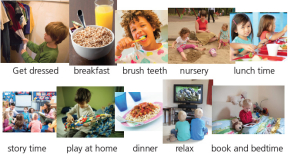
For many children, going to nursery school is a key part of their day. It could therefore be assumed that children attending nursery tend to have similar routines to one another, whereas actually if encouragement is given to explore elements of their lives they will find many differences between their...
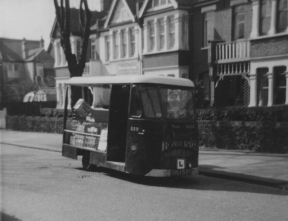
'People who help us’ is a popular learning theme in the Foundation Stage. It helps children develop their knowledge of the world around them and understand how they are part of a local and wider community. Aspects of this theme can also provide opportunities for children to develop their understanding...

A thematic study based on houses and homes is an excellent way to link learning about the past with something all children will be able to relate to – where they live. Planned carefully, it can provide a range of learning opportunities for both inside and outside the classroom. Let’s...
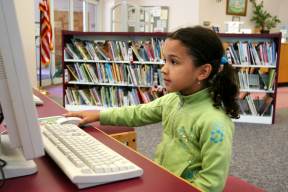
This article links teaching about Sir Tim Berners-Lee to Changes in Living Memory and Significant Individuals and makes comparisons between Caxton and the impact of earlier developments in communications technology. It provides interesting topics for discussion about significance (pupils may be surprised by the idea that they are living through...
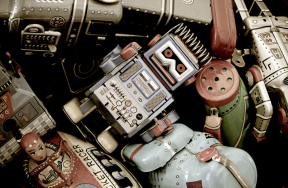
A learning theme centred on toys and games is perfect for younger children as the Early Years curriculum is, of course, all about learning through play. Planned carefully, it can also provide many opportunities for children to develop their understanding of the past. Adult-directed learning opportunities Provide the children with...
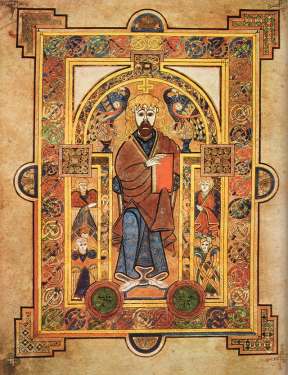
Why would I want those old books in my classroom? It has always been recognised that good primary history is able to connect the past with the world the children currently inhabit. That is why focusing on schools can be so useful. If there is one experience the children have...
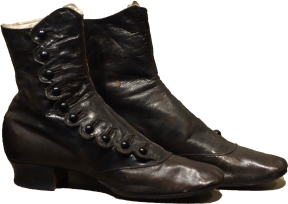
There is something fascinating about what people wore in the past. From corsets to clogs, the evolution of clothing and footwear can give an insight into different periods of history, an excellent way of engaging with the past. Shoes, in some form or another, have been around from the earliest...
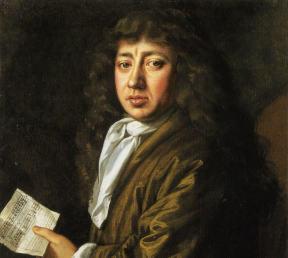
Teaching about significant individuals at Key Stage 1. Workshop by Professor Penelope Hartnett, University of the West of England The history programme of study for Key Stage 1 requires pupils to be taught about: The lives of significant individuals in the past who have contributed to national and international achievements,...
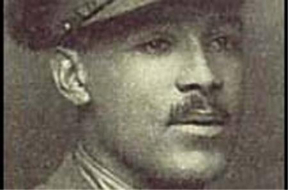
Events which encapsulate family, community, national and global history provide rich opportunities for engaging children. Some of these draw on positive memories associated with past events: the coronation of Queen Elizabeth II, how people responded to the first flight to the moon, the Millennium celebrations. Yet it is perhaps gruelling...
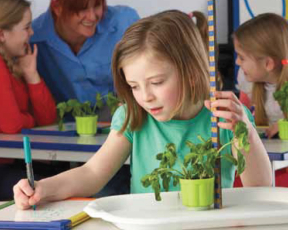
Using ‘Development Matters' to plan learning for history in the Foundation stage You won't find the term history in the Early Years curriculum framework at all. That being so, it can be difficult to know how best to support our Nursery and Reception colleagues when developing historical understanding within the...

The new (2014) Primary History National Curriculum is finally upon us. The first thing you might notice is that the level descriptions have gone. These were first introduced in 1995 and became the mainstay for assessing pupil progression and attainment in Key Stages 1, 2 and 3 across schools in...
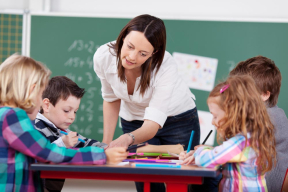
Chronology: Developing a coherent knowledge and understanding of Britain's past and of the wider world First, this article considers the reasons why it is essential for children to develop a chronological framework. Next it considers ways in which this framework is necessary for the development of the time concepts set...
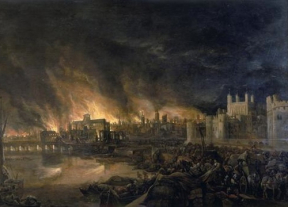
The Great Fire of London is a favourite National Curriculum teaching topic. This paper draws on the latest resources and teaching ideas to suggest how you can meet both the NC history requirements and the wider ones of the National Curriculum, particularly in integrated programmes that include teaching about the...

At this stage children should listen to stories, ask how and why; use the past, present and future tense; talk about the past and present in their own lives and the lives of family members; recognise similarities and differences between families and traditions, objects and materials; and role play and...
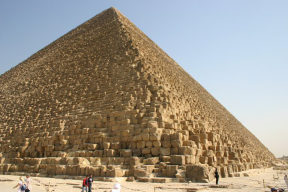
Ideally when teaching history, teachers will look to deliver projects that will engage and motivate, hopefully making the hard work of being creative stimulating and rewarding, based upon questioning, enquiry, investigation of sources and reaching conclusions grounded in the evidence.Ancient Egypt is one of those history topics which, because it...
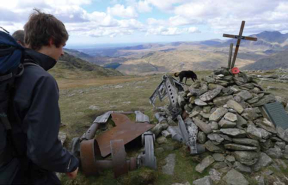
Personal biographies I often ask groups to collect and record their own personal chronologies. They are asked to bring in evidence to tell the stories of their own lives or of the life of a relative, which they will then weave into a ‘photo book' story. The photo books become...