
EYFS & Key Stage 1
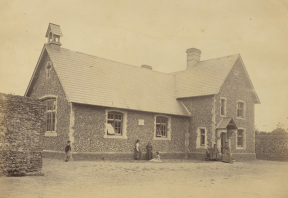
Children can be introduced to the idea that schools have been in the locality for some time but they have not always been the same. They can look at similarities and differences, as well as be introduced to some of the events that affected the schools. The theme allows children...
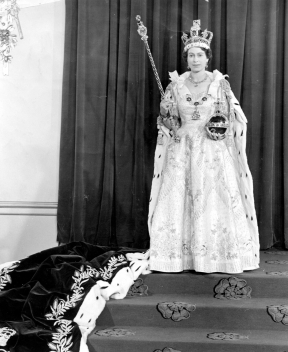
In this unit, children will learn about the significance of the 2022 Platinum Jubilee. They will look at the life of Queen Elizabeth II, from her role as Princess Elizabeth to her coronation and through to 2022, as a great-grandmother and the longest-reigning British monarch. The unit will help children...

In the Early Years Foundation Stage children begin to learn that as they grow up they are increasingly able to do more things for themselves independently. This emerging knowledge and understanding can be used to explore crucial early historical skills. This resource is free to everyone. For access to hundreds...

This EYFS Medium Term Plan is based around the theme of Toys and Games. It is designed to give teachers and early years practitioners different starting points for learning about the past, across all areas of learning. The activities could be led with a whole class or as small group...
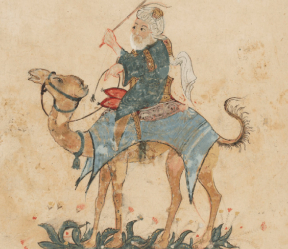
The history programme of study for Key Stage 1 requires pupils to be taught about: 'The lives of significant individuals in the past who have contributed to national and international achievements, some of whom should be used to compare aspects of life in different periods.' In this unit, children are...
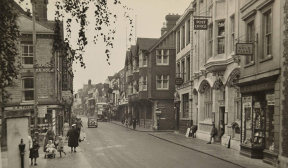
Teaching a unit that considers ‘changes within living times’ requires a focus that provides clear evidence of those changes. Children need to be able to identify specific differences as well as recognise relevant similarities. While we all still undertake shopping on a daily or weekly basis the processes involved in...
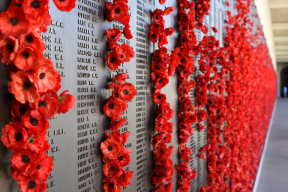
In this unit pupils will be introduced to the concept of Remembrance Day and will learn why people in this country wear poppies in November. Through learning about Remembrance, pupils will understand that there are events beyond living memory that are significant nationally and globally, and that these are commemorated...
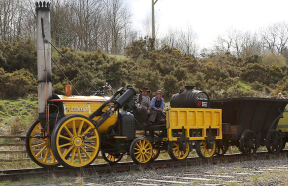
This unit of work is intended to teach children about George Stephenson as a significant individual in history, his achievements and the impact that he had locally, nationally and internationally. It also includes some introductory lessons based around vocabulary for consolidation of terms relating to the passing of time, which...
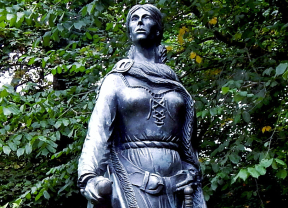
This unit encourages pupils to explore the past by examining their ideas about pirates, with particular reference to Grace O’Malley. The key question leads children to consider what are the characteristics of a pirate and to challenge stereotypes in the light of historical enquiry. The key question also leads to...
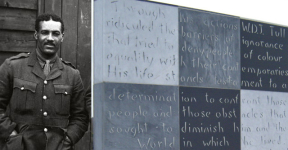
Pupils will look at the childhood and football career of Walter Tull, what happened to him when he fought in World War I and why he was different from most people of his time. They will compare his experiences to issues and people still relevant today including the double Olympian...

Unit for Key Stage 1: Significant historical events, people and places in their own locality (the school and its community) Children can be introduced to the idea that schools have been in the locality for some time but they have not always been the same. They can look at similarities...
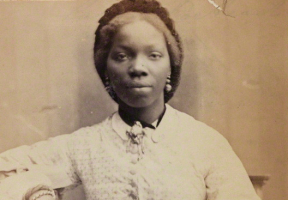
Children are introduced to the idea of significance, and how this might change over time. Sarah Forbes Bonetta – we don't even know her real name – was an African princess, a slave in West Africa, a god-daughter of Queen Victoria, a wife, mother and missionary teacher. Does that make...
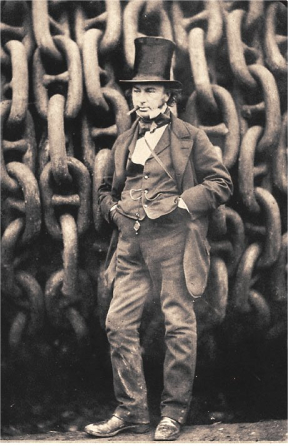
At Key Stage 1, pupils are asked to examine the lives of significant individuals who have also contributed to national achievements. A study of Isambard Kingdom Brunel provides a fascinating example of an individual whose technological and engineering advances have helped to shape the face of Britain. Children can identify...

This unit is not itself a scheme of work, but instead suggests ways local history might meaningfully be incorporated into a Scheme of Work. It is not meant to be prescriptive, but to suggest ideas, areas and tools that should help teachers make a study of local history meaningful. See...
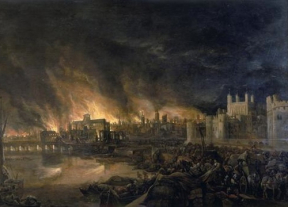
The Great Fire of London is a favourite National Curriculum teaching topic. This paper draws on the latest resources and teaching ideas to suggest how you can meet both the NC history requirements and the wider ones of the National Curriculum, particularly in integrated programmes that include teaching about the...