
Key Stage 2
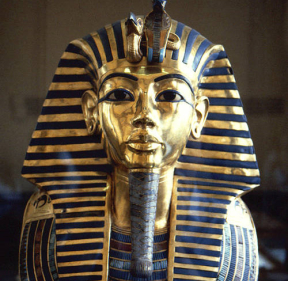
This teaching toolkit takes a fresh look at this much-taught topic and provides the basis for a rigorous enquiry led approach for children in key stage 2. Packed full of ideas and links to resources, this toolkit provides a step by step guide to teaching the Egyptians from why they...
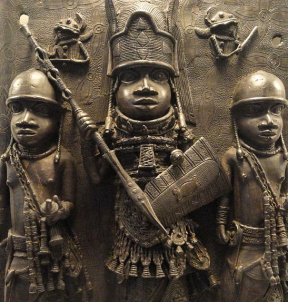
This unit provides children the opportunity to look at Benin, a non-European society which is very different from their own. Children should make links between Benin and a bigger picture of Africa's past as well as its changing relationship with Britain in order to consider the significance of the arrival...
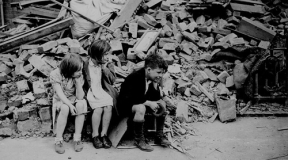
This unit provides children with the opportunity to look at the Second World War as an aspect of British history that extends pupils’ chronological knowledge beyond 1066. This 8-part enquiry is useable in full or to use sections of as stand alone shorter enquiries. Pupils will be encouraged to examine...
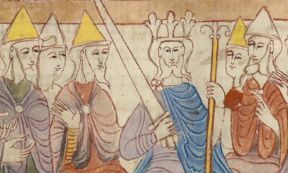
Welcome to our new-look curriculum plans. Log in below to access the unit. This scheme of work is designed to meet the requirements of two National Curriculum study units at Key Stage 2, sequenced as continuous planning: ‘Britain’s settlement by Anglo-Saxons and Scots’ and ‘The Viking and Anglo-Saxon struggle for...
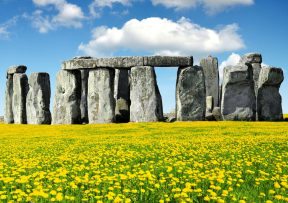
Welcome to our new look curriculum plans. Log in below to access the unit. This scheme of work is designed to meet the requirements of the National Curriculum study unit at Key Stage 2 ‘Changes in Britain from the Stone Age to the Iron Age’. It is made up of...
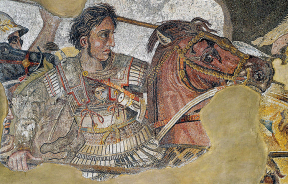
Welcome to our new look curriculum plans. Log in below to access the unit. Before you delve into our plan on Ancient Greece with author Andrew Wrenn, take a look at this short film from Steve Mastin, outlining our approach to curriculum plans and what to look for in a...
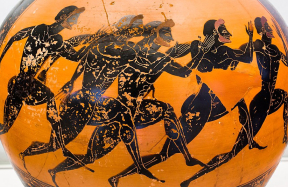
This unit produced by Sporting Heritage is designed flexibly as either a chronological or a thematic study. As such, its editable core PowerPoint resources can be used as a depth or extended overview topic in relation to: Ancient Greece – a study of Greek life and achievements and the Greeks’...
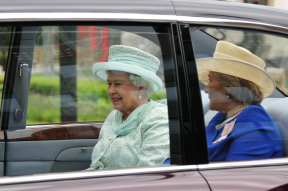
Prior to completing this unit of work, it would be useful for the children to have started to develop an understanding of the substantive concepts of monarchy and royalty through their prior learning. Direct links can be made between studies of specific monarchs and their roles, as well as stories...
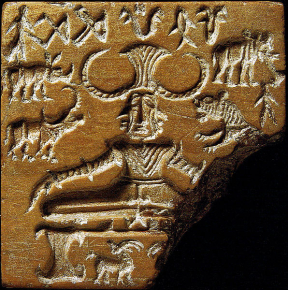
This unit on the Indus Valley Civilisation (2600-1900) BCE gives children the opportunity to study an ancient, 'lost' urban civilisation discovered by archaeologists in the Indian subcontinent, early 20th Century. The story of its discovery and the surviving evidence – architecture and artefacts – helps children understand how we can...

The chronological unit is new and challenging for primary schools and it is important to tackle it correctly. Whether you decide to take the option of a broad sweep of time as this unit does, or whether you decide to home in on a specific turning point (examples of these...

Through this unit, children can be introduced to the idea that books were extremely valuable in the past, the status symbol of the day. They will learn about how books were made in the past and that stories have been around long before there were books to put them in....
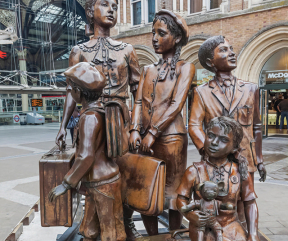
This unit is designed as a thematic course looking at the big picture of migration to Britain over time. There are many ways that the course can be adapted to include different content which may be more relevant for the local community around your school. Most of the content described...
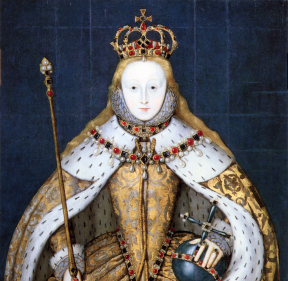
This unit provides children the opportunity to look at Elizabethan times as an aspect of British history that extends pupils' chronological knowledge beyond 1066. This unit is supported by the following article: Bracey, P. (2018) The Elizabethans. All Banquets and fun? Primary History 80 (NB available to HA members only)...
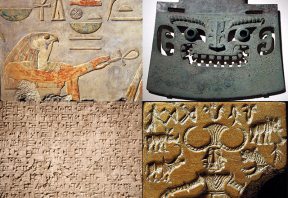
What do all the Ancient Civilisations have in common? This enquiry provides an overview of the Ancient Civilisations of Egypt, Sumer, Indus Valley and Shang, showing where and when they developed, the similarities between them and how they relate to a broadly based chronological understanding of the past. It provides...
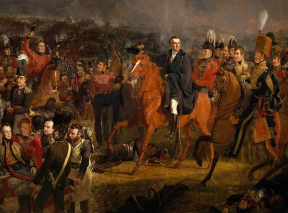
This scheme of work explores the 'Age of Revolutions' period across the late eighteenth and early nineteenth centuries. It was written for the Historical Association by Karin Doull to supplement the Age of Revolutions Teacher Fellowship Programme, which is funded by Waterloo 200. The Napoleonic wars shaped their age: children...
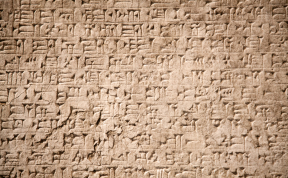
Ancient Sumer is often called 'the Cradle of Civilisation'. The Ancient Greeks called it Mesopotamia - the land between two rivers. It is where cities first developed, agriculture began and writing first appeared. One eminent historian records 39 'firsts' for Sumer! Most of this was lost until the 20th century,...
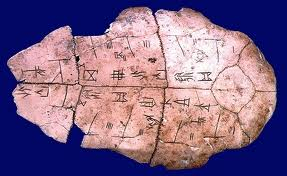
Children can be introduced to evidence of the Shang Dynasty in China from the tomb of Fu Hao, dated around 1250BC and discovered in 1976. They can use the evidence to find out about the Shang, but also to find out what we can’t tell about the Shang from one...
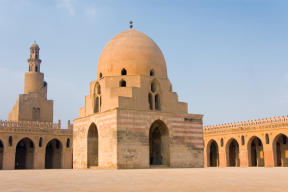
Children can be introduced to the idea that people from other civilisations have contributed to many ideas that impact on us still. They can learn about some of the differences in way of life between citizens of Baghdad and London c. AD 900. Links can be made with other cultures...
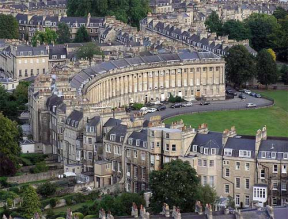
This unit focuses on the Georgian period across the mid to late 18th century. It is during this period that Britain (rather than England) begins to consolidate the gains made by Tudor and Stuart explorers and traders. The seeds of the British Empire of the Victorian period are planted at...

Children can be introduced to the idea that educating children has a long history with many changes over time, sometimes with turning points and significant developments. This unit examines some ideas about change, e.g. the pace and nature of change, the impact of change and continuity. It draws upon content...