
Ancient Greece, Egypt, Sumeria & the Aztecs
This resource is free to everyone. For access to hundreds of other high-quality resources by primary history experts along with free or discounted CPD and membership of a thriving community of teachers and subject leaders, join the Historical Association today Please note: this guide was written before the new National...
This was a ten-week Ancient Greece unit, taught to a Year 6 mixed ability class of 34 children. There was a strong citizenship strand running through the whole programme, particularly the strands of political literacy and critical enquiry (see below). Citizenship values and concepts, with teaching/learning activities in italics Appreciation...
This resource is free to everyone. For access to hundreds of other high-quality resources by primary history experts along with free or discounted CPD and membership of a thriving community of teachers and subject leaders, join the Historical Association today Please note: this guide was written before the new National...
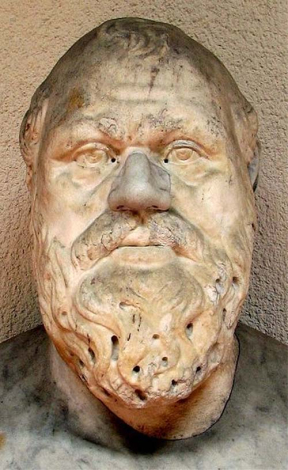
Nigel Parker's Year 5 class had just made a start on the Ancient Greeks. In this lesson we began with Athenian democracy, where the free adult male citizens decided everything, even ostracizing generals they didn't like.The story of SocratesI told the children some of the story of Socrates, who taught...
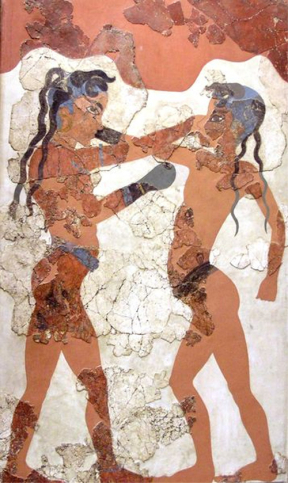
John Fines was working with a class of 28 Year 6 pupils, studying Ancient Greece. John wrote: Challenge is what the Nuffield Primary History project is all about, and I wanted the class to think hard about the Greeks and to question sources. My learning objectives were for the children...
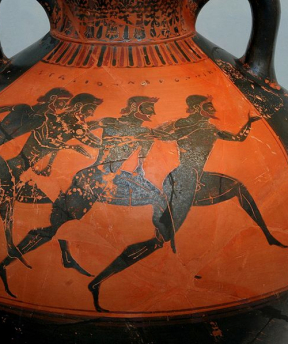
This was the fourth lesson in a ten-week unit about the ancient Greeks. We had already looked at Homer's Iliad, examining Greek ideas about heroes and roles; investigated the evidence for the Trojan War; and used topic books to identify and classify the main features of ancient Greek life. Throughout...
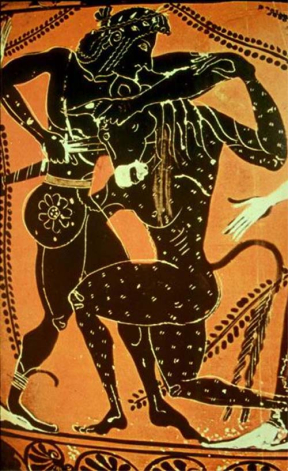
The year 5/6 lessons were planned around interpretations of history, incorporating myths and legends for a cross-curricular approach. The story of Theseus and the Minotaur formed an excellent starting point for an investigation of the Knossos palace, with a focus on the archaeologist Sir Arthur Evans' interpretation of the palace...
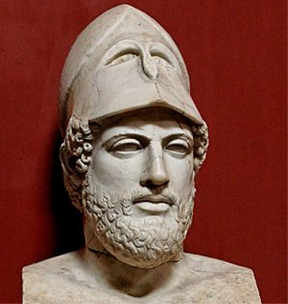
The two linked lessons described were taught half way through a 10-week scheme of work teaching the Ancient Greeks. The overarching key questions underpinning the ten weeks of teaching were: What was distinctive about the Ancient Greeks? Why do we learn about the Ancient Greeks, rather than about other societies?...
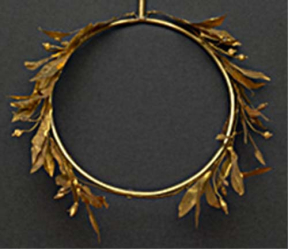
Cross-curricular History and Science in the Literacy Hour Problem-solving in science through story-telling: how did Archimedes work out much gold there was in the king's crown? Archimedes is an excellent subject. Indeed, Archimedes offers an excellent cross-curricular lesson opportunity, as he covers science, mathematics and a range of other subjects,...
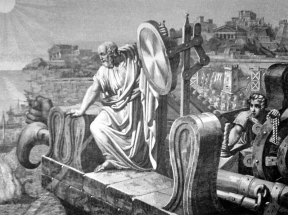
Cross-curricular History and Science in the Literacy Hour Archimedes and how his weapons worked Archimedes is an excellent subject. Indeed, Archimedes offers an excellent cross-curricular lesson opportunity, as he covers science, mathematics and a range of other areas, including cunning plans to defeat enemy armies and navies. The previous week...
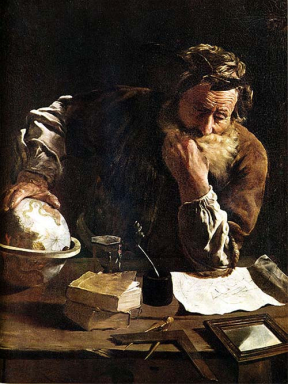
Cross-curricular History and Science in the Literacy Hour *(These resources are attached below) Imagining what Greek science and a Greek science lesson at KS2 would be like With the children raising questions and examining Ancient Greek ideas about our origins, this lesson has the potential to range widely and be...
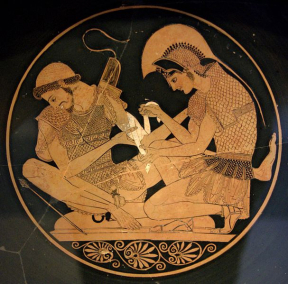
The aims of this Iliad lesson for year 4/5 children are: to develop an understanding of the weapons and tactics used in ancient Greek warfare to be able to read and understand a challenging text and extract information from it. Literacy objectives are to develop the children's skills in: extracting...
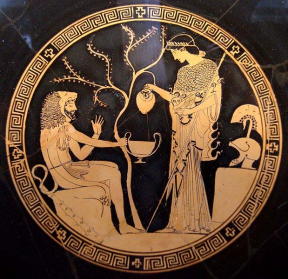
In this lesson on the Greek myths, the children used stories as a starting point for historical research, and gained an understanding that the past can be represented and interpreted in different ways. They identified the key points in a text, and selected and record information relevant to the focus...
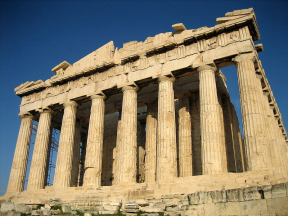
Ancient Olympic Games and other lessons available on this site: Ancient Greek Government is one of the most popular lessons this website - it's good for citizenship too. Olympic GamesTheseus and the MinotaurAncient Greek Government at KS2Archimedes and the Kings CrownArchimedes and the Syracusan WarAncient Greek Ideas: ScienceThe IliadAncient Greek...
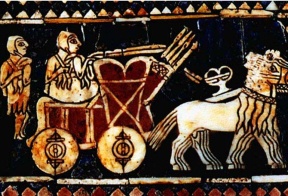
The Sumerian mystery lesson is based on a story about what people found in one of the royal tombs of Ur dating from about 4000 years ago. (This was in ancient Mesopotamia, near what we now call the Persian Gulf.) (These resources are attached below) The story is full of...
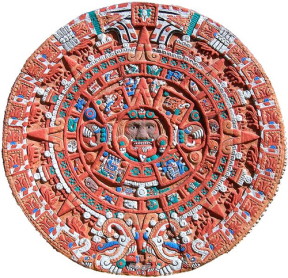
Take a holiday with the Aztecs! Children design holiday brochures. History providing a context for literacy. Demonstration and modelling of the holiday brochure genre, and the transfer of understanding of the generic form into an historical context. Pupils produced their own brochures giving information about life in the Aztec capital,...
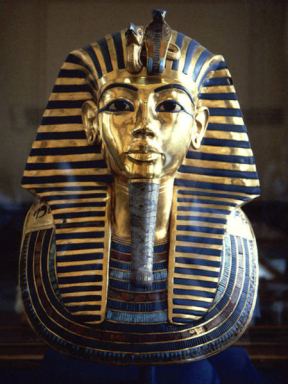
How was Tutankhamun's tomb discovered? Using a photograph as a source of historical information. (These resources are attached below) The lesson aims were for children to: understand the circumstances surrounding the discovery of Tutankhamun's tomb develop their skills in scanning, observing and focusing, and questioning use sources to find out...
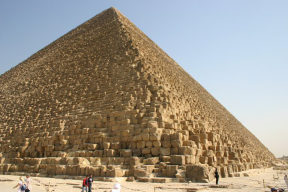
How did the ancient Egyptians build the pyramids? This lesson on pyramid-building includes visual, auditory and kinaesthetic learning activities catering for a range of learning styles and abilities. There are links with Science, Maths, and DT. For background information see Building the Great Pyramid on the BBC website. (These resources...

Sumerian history through story-telling and expressive movementAztec ExperienceThe Tomb of TutankhamunPyramid building Background information for teachers: Ancient Egypt Drama exemplar: Akhenaten And here's another useful website we've found for Ancient Egypt (intended for university students but it's got some useful resources): Digital Egypt from UCL