
Inclusion

At the end of March the Department for Education published both an education white paper and a green paper and consultation stemming from the long awaited SEND review, first commissioned in 2019. Among other things, the white paper outlined a further drive towards the formation of larger multi academy trusts...

The new (2014) Primary History National Curriculum is finally upon us. The first thing you might notice is that the level descriptions have gone. These were first introduced in 1995 and became the mainstay for assessing pupil progression and attainment in Key Stages 1, 2 and 3 across schools in...
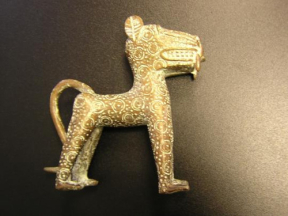
The prospect of teaching Benin as a non-European Study within the time frame 900-1300 AD is challenging! Traditional oral evidence suggests that the critical event during this period in Benin's past was a transition from the Ogiso to the Eweka Dynasty, named after its first Oba, which resulted in it...
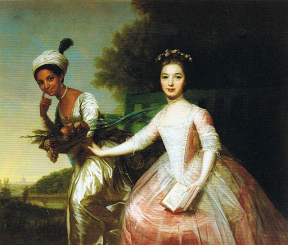
Images reflect the social customs and attitudes of the society in which they are produced, and we may nowdisapprove of these attitudes. Conversely, our own ideas of what is right and wrong may well have been unacceptable in the past. Among these are the rights accorded to children, the disabled,...
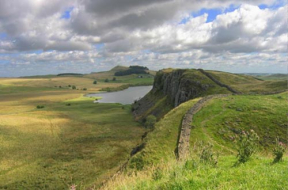
Built in AD 122 by the order of the Emperor Hadrian, the 73 mile (80 Roman miles) long frontier goes from Bownesson-Solway in Cumbria to Wallsend on the River Tyne. Since 1987, the area has been inscribed as a United Nations Educational, Scientific and Cultural Organisation (UNESCO) World Heritage Site....
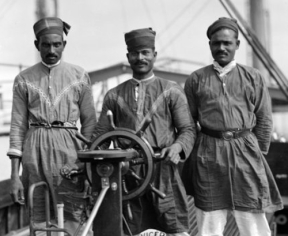
Teaching diversity through drama at the Museum of London: Stories of London people From Roman times to the present, London has been shaped by the diversity of its people. London is home to500 different nationalities, 300 different languages,14 major faiths and a host of other religions. The Museum of London...
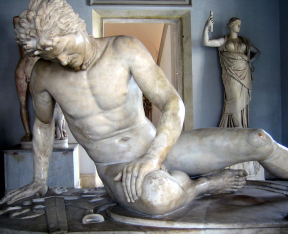
Please note: this article pre-dates the 2014 National Curriculum and some content may be outdated. Editorial comment: A History of the World is the most creative, imaginative and dynamic development in primary History Education for thirty years. It ties in perfectly with and supports the government's re-vitalisation of primary education...
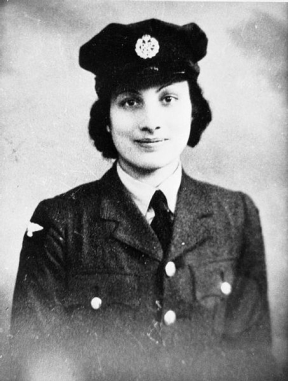
Please note: This article pre-dates the current National Curriculum and some content and references may be outdated. If you are considering studying someone other than Florence Nightingale you have two basic options. You can either choose a local character who would be more relevant to the children, or you could...