
Inclusion
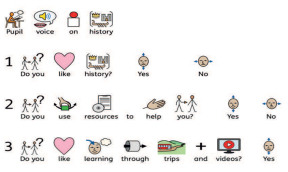
In this article, Lorna Spencer suggests that pupil voice is particularly important with SEND children. At the same time, this can cause challenges, as the way it is done with mainstream pupils may not be feasible with SEND pupils. She suggests some ways in which challenge might be confronted...
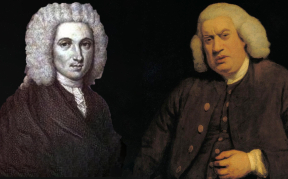
In Episode 6, Dr Declan Kavanagh (University of Kent) discusses the development of ideas around, and responses to, disability in Britain and Ireland in the 18th century. Dr Kavanagh examines the definition given in Samuel Johnson’s Dictionary in 1755 and looks at the medical and charity models of responding to...
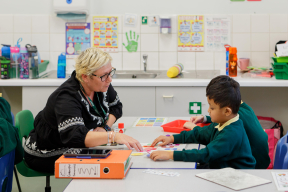
Do you struggle to engage your lower attaining or EAL pupils in their history lessons? Are you finding it difficult to ensure and demonstrate progression in history with these pupils? In this series of short films Sue Temple, assistant programme lead (BA hons and early years) at the university of...
Do you struggle to engage your lower attaining or EAL pupils in their history lessons? Are you finding it difficult to ensure and demonstrate progression in history with these pupils? In this series of five short films Sue Temple, assistant programme lead (BA hons and early years) at the university...
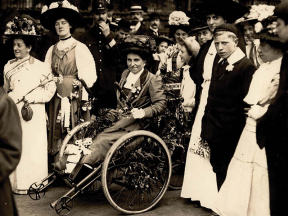
This article is based on a session by Bev Forrest and Mel Jones at the HA Conference in May 2024. The central concern is to support teachers to weave the experiences and lives of disabled people in the past into the primary curriculum. It looks at possible opportunities in EYFS,...
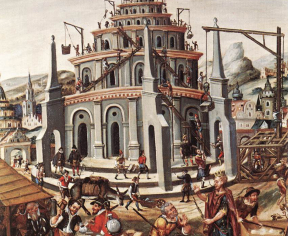
My students struggle with... Every student has an entitlement to learn history and to high quality history teaching. In this section you will find support for helping students who struggle with specific aspects of learning history. For each aspect of learning history that students struggle with you will find: A...
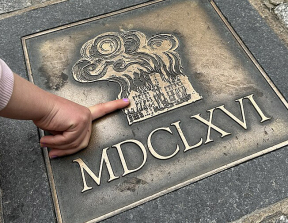
Kate Loveman and James Harrod offer new insights into the Great Fire of London by focussing on the inclusion of Deaf history in this popular topic. They shares the online teaching resources created in their joint partnership between the University of Leicester and the Museum of London. Each year thousands...
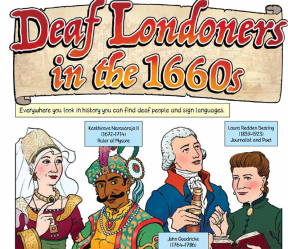
Everywhere you look in history you can find deaf people and sign languages.
The huge benefits that local archives can bring to primary history are explored by Steven Kenyon. He illustrates this with a case study of Lancashire Archives. The central focus is on ways in which local history can support diversity in the curriculum by providing three examples – one for Key...
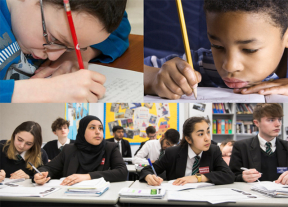
At the end of March the Department for Education published both an education white paper and a green paper and consultation stemming from the long awaited SEND review, first commissioned in 2019. Among other things, the white paper outlined a further drive towards the formation of larger multi academy trusts...
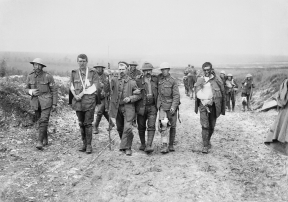
This webinar was presented by Richard Rieser, who is a campaigner and champion for disability rights and the coordinator of UK Disability History Month. His presentation is part of our ongoing work to explore disability history and the arguments and representations of it and ensure that people from disability groups...
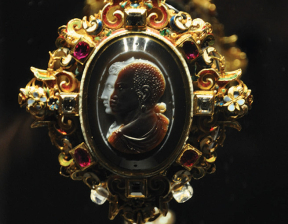
This article introduces us to the Colonial Countryside Project. Many of the sites we visit, especially the great country houses and stately homes, have long been visited by children. They are often fascinated by both the buildings and the history associated with them. However, there is a growing recognition that...
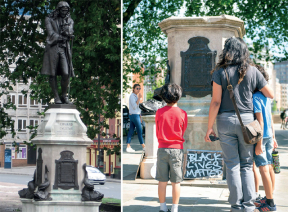
Like them or loathe them, statues are excellent learning resources and the recent events in Bristol and elsewhere should not dissuade us from using them to aid children’s historical knowledge and enquiry skills. In fact, in the current climate, statues need a careful re-evaluation of their role within our towns....
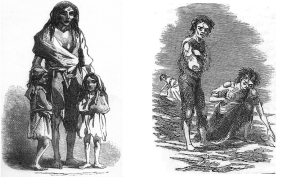
Migration is rarely absent from the news and arouses political, social cultural and emotional responses which range from compassion to hostility, racism and anti-racism. By exploring migration in the past, it is possible for children to go beyond current issues and appreciate that, rather than being a recent characteristic of...
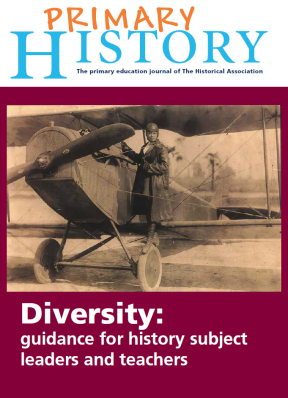
This free summer resource for primary members is designed to help primary subject leaders and teachers consider the implications of developing a school policy for teaching of diversity in history. This comprehensive guide provides timely advice and considers questions associated with teaching diversity and provides a rationale for its essential...
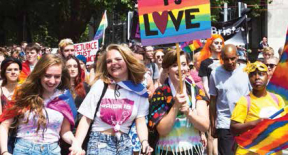
LGBT History Month was established in 2004. It not only raises awareness of discrimination still faced by the LGBT+ community but also celebrates LGBT+ people and their achievements. February is LGBT History Month and its theme this year was ‘History: Peace, Reconciliation, and Activism’.
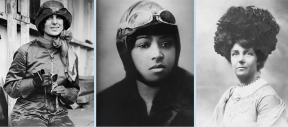
The turn of the 20th century was in many ways a golden age of aviation. In 1903 the Wright brothers conquered heavier-than-air flight. From that time onward there were many other visionaries who wanted to be part of the dream of flying. The topic of early aviation history is an...
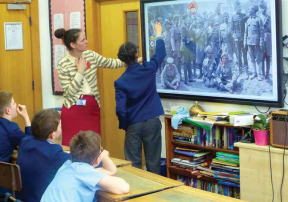
The objective of this lesson plan was to enable pupils to develop a greater understanding and appreciation of the input of Muslim soldiers in World War I and to do so through empathy and creative discussion. I very much enjoyed teaching this session with a group of Year 6s, all...
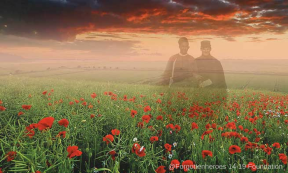
Hayyan Bhabha introduces a project that is using newly-discovered documents to show the contribution of Allied Muslim soldiers in the First World War, with the aim of developing empathy, mutual respect and religious understanding in young children of all ages. At a time of rising nationalism across the world, where...

Most pupils like history, but some struggle with aspects of reading and writing – how can we make history more accessible? This article explores some ways I have found useful in engaging pupils of all abilities. It will focus on activities that might be used in studying the Non-European Society...