
Big Picture
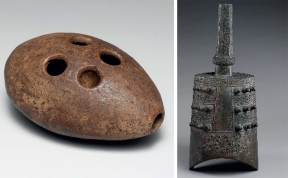
In this article, Susie Townsend considers how to use sound to enhance our teaching in history. She looks at the importance of auditory learning and suggests how we might incorporate a range of sound into our history lessons...
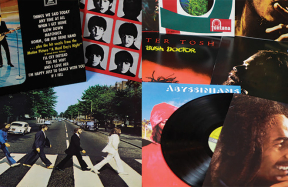
A history-themed topic based around music is a popular choice among many teachers and children. Music is after all a thread which runs through all of history, and one through which we can explore many other aspects of life in different times. It can be an exciting avenue into exploring...
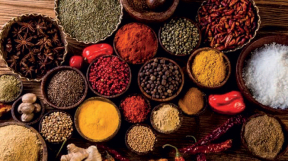
Every migrant to our shores brings with them the flavours and dishes of home, every trader searches for exotic and exciting new taste sensations. Britain’s culinary history has been shaped by migration, trade and empire. How curry, exploration and empire building are linked At the end of the Tudor period...
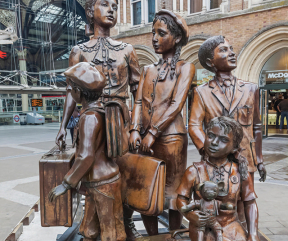
This unit is designed as a thematic course looking at the big picture of migration to Britain over time. There are many ways that the course can be adapted to include different content which may be more relevant for the local community around your school. Most of the content described...
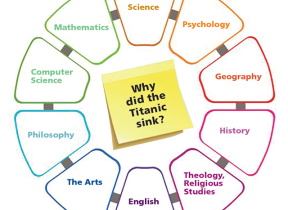
"Teaching epistemic insight goes hand in hand with teaching a broad and balanced curriculum. It includes building students’ understanding of the ways that different types of disciplinary knowledge can help us to address questions that bridge subjects and disciplines." (Teaching and Learning about Epistemic Insight brochure, https://crc.up.pt/wp-content/uploads/sites/101/2017/09/epistemic-insight-brochure.pdf) The Epistemic Insight...
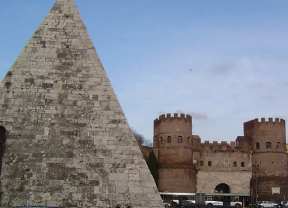
Miss, did the Romans build pyramids? No Johnny, I think you are confusing the Romans with the Egyptians. Actually, Miss, the Romans did build pyramids – well, at least one – and you can still see it in Rome today! The pyramid, which is 37 metres [or 125 Roman feet]...
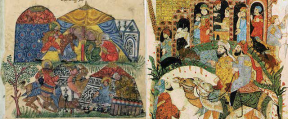
The Abbasid Caliphate stretched from North Africa across to Afghanistan and the North West Frontier. Within the caliphate there were movements of people, goods and ideas. The golden period of this early Islamic caliphate was around 900 AD. As the caliphs were building a major trading empire across the Middle...
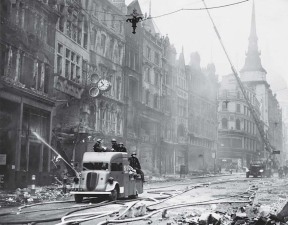
The Blitz of 1940 is certainly a significant event in Britain’s past, one which has repeatedly been drawn upon as a symbol of national consciousness. It was a time when most of Europe had been defeated by the Nazi regime in Germany, typically through ‘Blitzkrieg’ – or lightning war methods...
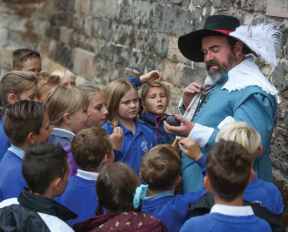
Looking at the bigger picture and focusing on the local impact can excite primary school children and help them make a connection to a significant event. Combining it with a cross-curricular approach can be a great challenge. One such period is that of the English Civil War which started in...
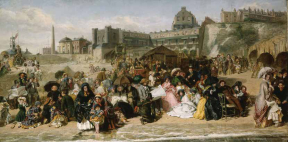
This article is about planning and teaching about ‘having fun across time’ for use in the later years of Key Stage 2 – investigating questions such as ‘Were people having fun in the same ways in the Middle Ages as in the Roman or Victorian periods?’ ‘What did our parents...
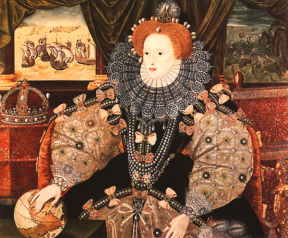
This article looks at what coherence is, how it can be mapped and ways in which classroom activities can enhance pupils’ awareness of the past in a more coherent way. What is it? The term ‘coherence’ has been around a fair time now. Most reincarnations of the National Curriculum have...

Please note: this piece was written before Sir Mo Farah’s 2022 disclosure that he was trafficked to the UK as a child, so some of its content is no longer accurate. An assembly could focus on the achievements of their lives, experiences as child refugees and migrants, and how they...
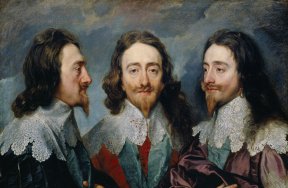
As a lecturer in education teaching humanities at Plymouth University, I spend my time encouraging student teachers to move away from writing lesson plans with a focus on research and recording, to creating lessons that are dynamic – engaging children in historical activities to develop a passion for history. Student...

One of the key aims of the English history National Curriculum is to ensure that pupils ‘know and understand the history of these islands as a coherent, chronological narrative’. Teaching chronology is also important in the Netherlands. In this article we cover some aspects of teaching and recent research from...
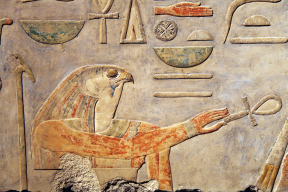
I will be honest – no child has actually asked me if the world was ever full of Ancient Egyptians! Having said that, by focusing on one part of the world, children are left with either this impression or the idea that nothing was happening elsewhere in the world. Clearly,...
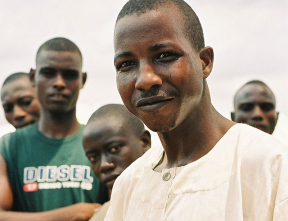
I am the teaching head of a small village primary school, Hawkshead Esthwaite Primary, in Cumbria. We have, for the last year been one of the first Centres for Excellence for the Global Learning Programme (GLP).The GLP is a Department for International Development (DFID) initiative which began in September 2013...
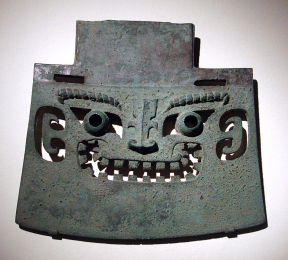
The introduction of the new primary curriculum in September 2014 presented a range of challenges for primary schools. Within the history orders for Key Stage 2 were new areas of study including prehistoric Britain as a compulsory study, and new optional study areas of early Islamic civilisation and Shang China....
It’s September 1992 and in Dover archaeologists from the Canterbury Archaeological Trust are working alongside construction workers when six metres below ground they find some waterlogged planks. Thankfully, an expert in maritime archaeology is on site and he recognises that this could be a lot more than abandoned timber. Uncovering...
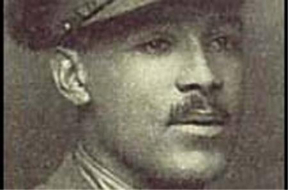
Events which encapsulate family, community, national and global history provide rich opportunities for engaging children. Some of these draw on positive memories associated with past events: the coronation of Queen Elizabeth II, how people responded to the first flight to the moon, the Millennium celebrations. Yet it is perhaps gruelling...
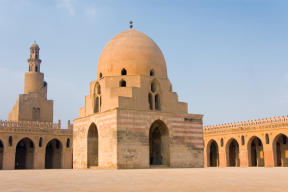
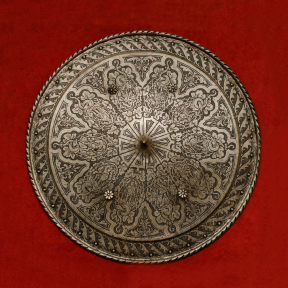
The Primary National Curriculum pinpoints Early Islamic Civilisation as Baghdad c. AD 900 - yet it was so much more. For approximately a thousand years after AD 700 there was an extraordinary amount of activity that radiated out from Baghdad and along a glittering crescent through North Africa and into...