
Developing enquiries
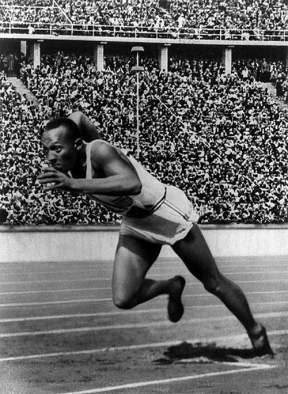
Please note: this article pre-dates the 2014 National Curriculum and some content may be outdated. Allocated the task of researching and presenting ideas for teaching about significant Olympians, I thought: ‘Brilliant, this is the easy one'. How wrong can one be! I expected to be able to access a plethora...
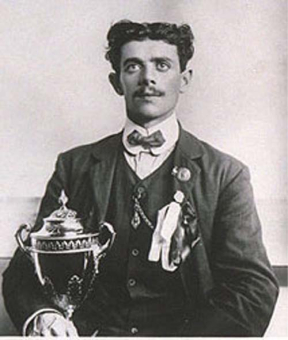
Please note: this article pre-dates the 2014 National Curriculum and some content may be outdated. The Italian confectioner Dorando Pietri is one of the most famous figures from the 1908 Olympics - famous for not winning. His story raises issues of sportsmanship suitable for class discussion. There are detailed accounts...
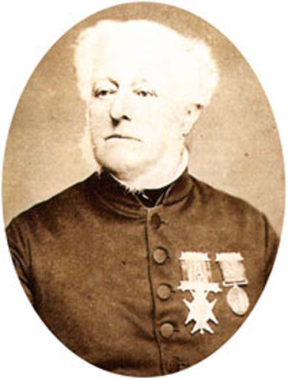
Please note: this article pre-dates the 2014 National Curriculum and some content may be outdated. What has a small Shropshire town got to do with the modern Olympic Games? Why is a country doctor a key figure in the development of the modern games? Why is one of the 2012...

Please note: this article pre-dates the 2014 National Curriculum and some content may be outdated. History flows like a river, sometimes quiet and unobtrusive, sometimes a raging torrent with wide-ranging effects on the world around us. It is punctuated by momentous events and significant individuals, who impact on its direction...
Please note: this article pre-dates the 2014 National Curriculum and some content may be outdated. With the 2012 London Olympics rapidly approaching, you are probably marvelling at what a once-in-a-lifetime opportunity this is and what amazing classroom teaching opportunities it might bring. You have probably already been inundated with ideas...
Please note: this article pre-dates the 2014 National Curriculum and some content may be outdated. Editorial note: Hilary Cooper outlines the main features of historical thinking. These ideas are embedded in the government's current requirements for teaching National Curriculum History [England] Introduction It is important that children develop a coherent,...

Please note: This article pre-dates the current National Curriculum and some content and references may be outdated. Introducing the youngest children to the concept of history can be a challenging prospect for some foundation stage practitioners, particularly if they feel their experience of the subject has been limited or their...
When the Historical Association was approached by Teachers' TV to produce ‘Great Ideas for Teaching History' at Key Stage 2, it was inevitable that I, as a full time teacher on the Primary Committee, would have no escape. My school agreed I could take part, with the involvement of two...
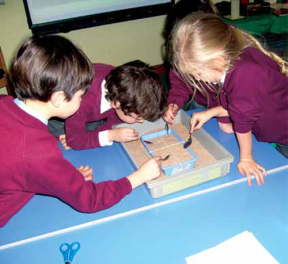
Please note: this article pre-dates the current National Curriculum and some content and references are outdated. Perhaps it is the earthiness of the ground beneath our feet which arouses pupils' curiosity. Or maybe, the idea of the unexpected with the hope of finding something precious or unusual, that is so...
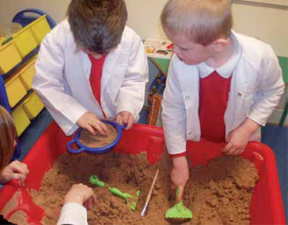
Please note: this article pre-dates the current National Curriculum and some content and links may be outdated. The authors of this article first worked together on a number of small scale excavations while Bev was still a primary school teacher in the Bradford area. When Bev changed roles to train...
Please note: this article pre-dates the 2014 National Curriculum and some content may be outdated. Young children enjoy prehistory Tactile, Physical and Enactive engagement with archaeological remains stimulates, excites and promotes children's logical, imaginative, creative and deductive thinking. Through archaeology there are infinite opportunities for ‘reasonable guesses' about sources and...
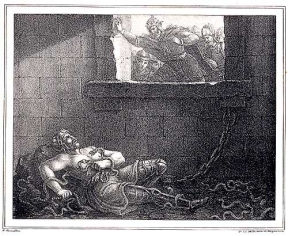
Please note: this article pre-dates the 2014 National Curriculum and some content may be outdated. What are your first impressions when you think of Alfred the Great? Perhaps it's the story of the heroic individual being humbled by burning the cakes or for those of a certain age, it may...
Please note: this article pre-dates the 2014 National Curriculum and some content may be outdated. The Nuffield Foundation-funded Leeds Community History Project brought together schools and older community members in the creation of community archives. It focused on articulating, valuing and recording the older generation's memories and knowledge. Its overarching...