
Interpretations
In this article, Julia Huber examines how task design can support pupils’ historical thinking in the primary classroom. Drawing on her own practice, she shares examples that develop conceptual understanding in areas such as significance, similarity and difference, continuity and change, and interpretations...
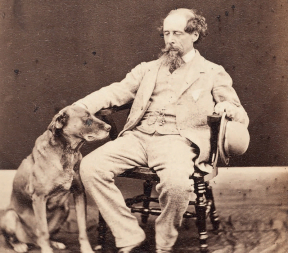
In this article Karin Doull looks at the 165th anniversary of Battersea Dogs and Cats Home. Our treatment of our most popular pets is reflective of society in a given time and Karin highlights several ways in which the history of Battersea can be used to spotlight different aspects of...
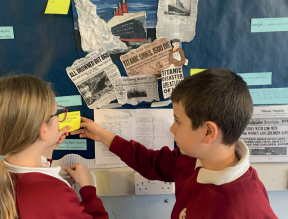
This article is free to everyone. For access to hundreds of other high-quality resources by primary history experts along with free or discounted CPD and membership of a thriving community of teachers and subject leaders, join the Historical Association today Salma Begum and Rachel Bruce explore the use of pupil...
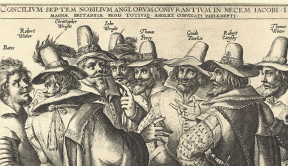
Tim Lomas explores one of the key disciplinary concepts that form part of school history – that of interpretations and representations. This has been a staple of the National Curriculum since its inception. While many schools have a successful approach to it, others struggle. In this article Tim Lomas discusses...
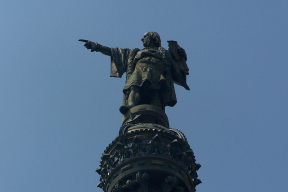
The terms ‘significance’ and ‘interpretation’ often go hand in hand with one another, but what do each of them mean and why is it that they fit together? Understanding both terms separately and how historians use interpretation to identify what is significant in history, and why historians cast their interpretations...
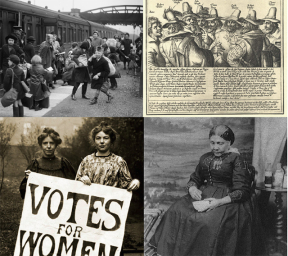
This article will demonstrate how to engage children through storytelling and how it can be used to develop their critical understanding of the past. Why story? Despite their common derivation, the words ‘history’ and ‘story’ suggest very different kinds of knowledge, the former carrying overtones of detached understanding of the...
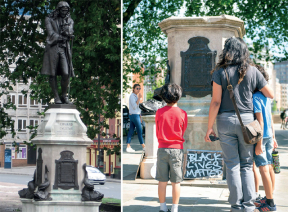
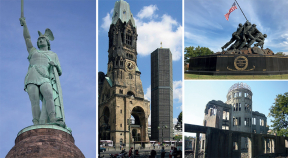
Like them or loathe them, statues are excellent learning resources and the recent events in Bristol and elsewhere should not dissuade us from using them to aid children’s historical knowledge and enquiry skills. In fact, in the current climate, statues need a careful re-evaluation of their role within our towns....

Please note: the 'What's the Wisdom On' film series has been produced principally for secondary school history teachers, however some of the content is transferrable to a primary setting. Secondary members can view the film here We know how difficult life is for teachers in the current circumstances. We also...
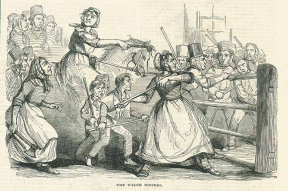
For primary school pupils a key aim of the National Curriculum for history is to understand the method of historical enquiry. Working with original sources is of course central to the whole process and provides a great way to inspire pupils’ experience of the subject. Young pupils, once they have...
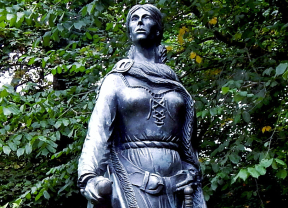
This unit encourages pupils to explore the past by examining their ideas about pirates, with particular reference to Grace O’Malley. The key question leads children to consider what are the characteristics of a pirate and to challenge stereotypes in the light of historical enquiry. The key question also leads to...
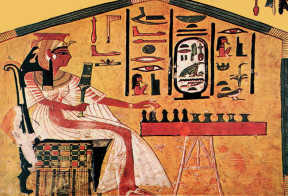
Perhaps one of the most perplexing aspects of teaching history is the fostering of conceptual understanding. History subject leaders often find this a challenging issue. Even if they have a decent grasp themselves, it can be difficult for others in the school who have to teach the subject. Over recent...
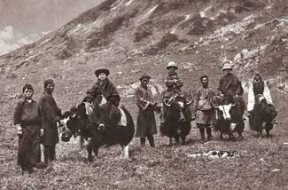
Exploration and a curiosity about the world are key human characteristics that have shaped and continue to shape our behaviour. Nowhere is this more true than with younger children who relish the opportunity to investigate their environment and all it contains. Promoting this natural curiosity and introducing stimulating challenge should...
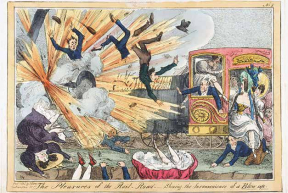
Part 1 of this article looked at some of the main areas of confusion that often characterise primary pupils’ historical thinking. Part 2 continues this theme by looking at three more key areas of misunderstanding and possible strategies to help improve their understanding: Confusion 4: Not really grasping how sources...
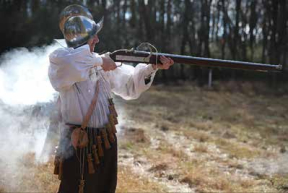
This article focuses on the links between the Maya and Europe in the fifteenth and early sixteenth centuries, exploring the impact of the Spanish on the life and times of the Maya, as seen through the eyes of one man – Gonzalo Guerrero, who was shipwrecked off the Yucatan peninsula...
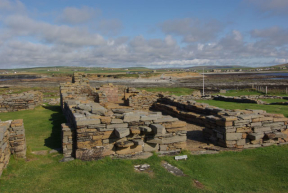
This article outlines how one Year 4 teacher approached the topic of the Vikings. The teaching of The Vikings allows for a range of historical concepts to be explored such as: Chronological understanding – how long did Viking influence last? Where does it appear on the timeline of Britain? What...
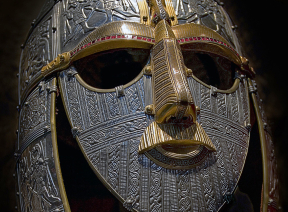
Sri Lankan garnet in Anglo-Saxon graves? In 2009 news broke of a fabulous hoard of gold and garnet military ornaments unearthed in a Staffordshire field. TV reports mentioned the garnet might have come from Sri Lanka or India, but how could it have got here? I began reading up what...
The Anglo-Saxon era is a diverse period that stretches across just over 650 years. Those we call Anglo-Saxons were not homogenous nor were their experiences. In AD 410 the Roman legions leave and the first Anglo-Saxon raiders appear. These pagan warrior bands would come to terrorise Romano-British settlements until, inevitably,...
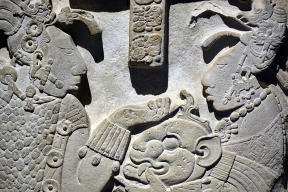
Most pupils like history, but some struggle with aspects of reading and writing – how can we make history more accessible? This article explores some ways I have found useful in engaging pupils of all abilities. It will focus on activities that might be used in studying the Non-European Society...
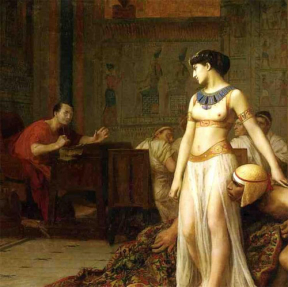
Ancient Egyptian civilisation is rich and mysterious with distinctive visual imagery and strange animal-headed gods. The exotic differences of the society have always intrigued the western imagination and so they continue to ensure that this is a popular unit with both teachers and children. There are plentiful resources with new...
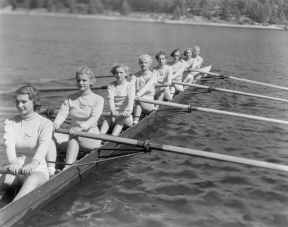
National Sporting Heritage Day takes place on 30 September every year. It aims to support schools and other community organisations to engage withtheir local sporting heritage, explore the heritage on their doorstep, celebrate and share the information that they find and inspire children and young people to find out more....