
Developing enquiries
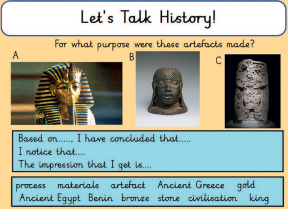
East-the-Water is a primary school in Bideford, Devon. It has recently been awarded a Gold Award Quality Mark. Among many strong features, one was the emphasis on using oracy effectively in history. In this article, Kelly Bridle outlines its role, especially in connecting periods and events across the history curriculum...
The new emphasis from Ofsted on the importance of the foundation subjects has meant a very welcome renewed interest in history and how it is taught. For years the dominance of literacy and numeracy in the curriculum has meant that time for foundation subjects has at best been compressed, and...
This film was taken at the HA London History Forum at the Institute of Education, UCL (University of London) in November 2019 and features Michael Riley (Senior Teaching Fellow in History Education, UCL Institute of Education) Michael considers some priorities for taking forward the history curriculum in our primary and...
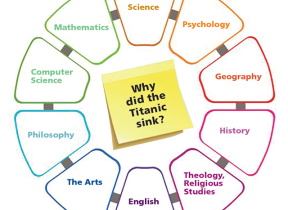
"Teaching epistemic insight goes hand in hand with teaching a broad and balanced curriculum. It includes building students’ understanding of the ways that different types of disciplinary knowledge can help us to address questions that bridge subjects and disciplines." (Teaching and Learning about Epistemic Insight brochure, https://crc.up.pt/wp-content/uploads/sites/101/2017/09/epistemic-insight-brochure.pdf) The Epistemic Insight...
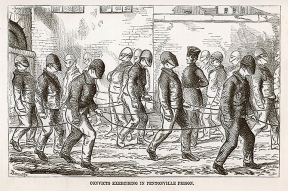
The most recent HA survey suggests that crime and punishment is a popular theme as a Key Stage 2 development study covering the period after 1066. It is easy to see why. Crime, criminals and punishment have a fascination for many and herein lies its appeal as well as a...
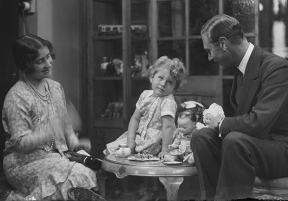
Hidden away on top of a dusty, battered cupboard in a local primary school were two equally dusty and battered log books. Each has seen better days and each could provide a range of links to local and national history. The log book was one of two found in one...
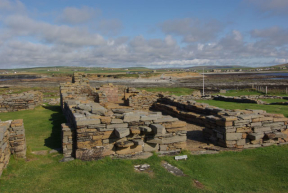
This article outlines how one Year 4 teacher approached the topic of the Vikings. The teaching of The Vikings allows for a range of historical concepts to be explored such as: Chronological understanding – how long did Viking influence last? Where does it appear on the timeline of Britain? What...
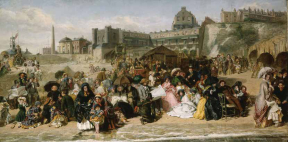
This article is about planning and teaching about ‘having fun across time’ for use in the later years of Key Stage 2 – investigating questions such as ‘Were people having fun in the same ways in the Middle Ages as in the Roman or Victorian periods?’ ‘What did our parents...
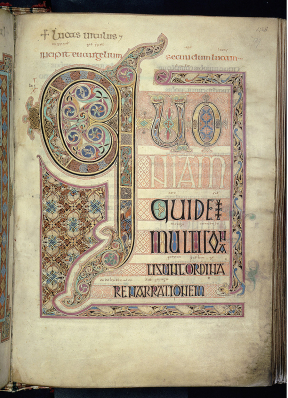
We are used to images of monks copying out texts in a very ornate manner. Books such as the Lindisfarne Gospels still absolutely amaze us with their colour, style and appearance. It must have taken hours and hours to copy out a text like that. But how was it done?...
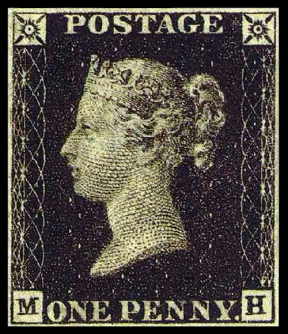
Communication is at the heart of what it is to be human, and the British postal service has helped to shape the modern world as we know it today. From cryptic Victorian Valentine cards to a lion encountered on Salisbury Plain, there is nothing ordinary about the story of the...

A learning theme centred on toys and games is perfect for younger children as the Early Years curriculum is, of course, all about learning through play. Planned carefully, it can also provide many opportunities for children to develop their understanding of the past. Adult-directed learning opportunities Provide the children with...
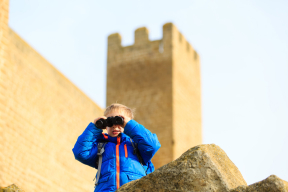
In recent times, it is easy to recognize that there has been a general move towards promoting outside activities across all manner of organizations and groups. For instance, organisations such as The National Trust and Ordnance Survey are keen to promote outdoor experiences in their literature. An online presence advocates...
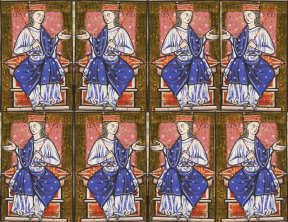
The Anglo-Saxon era is a diverse period that stretches across just over 650 years. Those we call Anglo-Saxons were not homogenous nor were their experiences. In AD 410 the Roman legions leave and the first Anglo-Saxon raiders appear. These pagan warrior bands would come to terrorise Romano-British settlements until, inevitably,...
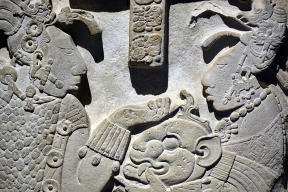
Most pupils like history, but some struggle with aspects of reading and writing – how can we make history more accessible? This article explores some ways I have found useful in engaging pupils of all abilities. It will focus on activities that might be used in studying the Non-European Society...
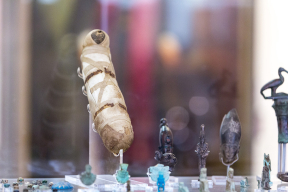
For hundreds of years, travellers to Egypt have marvelled at the amazing monuments evident throughout the country. The treasures of Ancient Egypt became more fascinating after the discovery of the Rosetta stone in 1799, which led to the deciphering of the hieroglyphic language. Many Victorian explorers returned to their European...
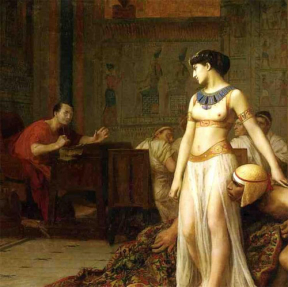
Ancient Egyptian civilisation is rich and mysterious with distinctive visual imagery and strange animal-headed gods. The exotic differences of the society have always intrigued the western imagination and so they continue to ensure that this is a popular unit with both teachers and children. There are plentiful resources with new...
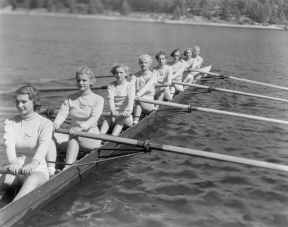
National Sporting Heritage Day takes place on 30 September every year. It aims to support schools and other community organisations to engage withtheir local sporting heritage, explore the heritage on their doorstep, celebrate and share the information that they find and inspire children and young people to find out more....
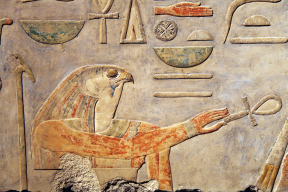
I will be honest – no child has actually asked me if the world was ever full of Ancient Egyptians! Having said that, by focusing on one part of the world, children are left with either this impression or the idea that nothing was happening elsewhere in the world. Clearly,...

This article explores some of the ways history and geography can be taught side by side, so that the sum of the parts adds up to more than the original. How can we teach history with geography and vice versa, to the benefit of both, while fulfilling the aims of...

The University of Chichester’s three-year BA (Hons) Degree for Primary Education and Teaching involves learning how to provide rigorous and creative educational opportunities for children. The course involves one creativity module each year. The final one involves the development of skills and confidence in creating problem-solving. Four of us were...