
Whole School
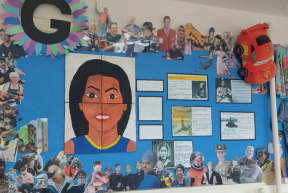
This article explores how displays of historical learning celebrate key understanding, promote engagement and enhance the school environment. The difference is highlighted between what constitutes a display and what is a working wall. The pictured displays demonstrate the school’s commitment to an inclusive and diverse history curriculum...

In this short film Steve Mastin outlines the HA's approach to curriculum plans and what to look for in a good scheme of work.
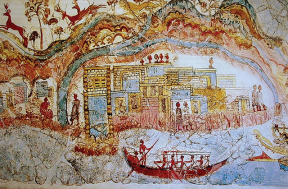
While the focus provided by the new Ofsted framework has allowed schools to begin to, perhaps, rebalance the curriculum, the time allocated to the foundation subjects is still fairly marginal in many schools. This means that hard decisions have to be taken about what to include and what to leave...
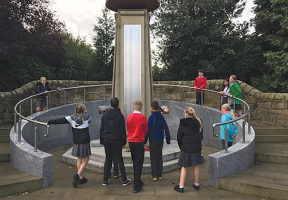
Raynville Primary School serves a highly disadvantaged area of West Leeds and we work hard to provide our children with the best opportunities to learn and enjoy their time with us. One jewel in the crown of our school’s curriculum is children’s historical learning as part of a knowledge-rich curriculum....

As we approach the introduction of the new Ofsted framework, it seems timely that we offer schools, subject leaders and teachers some guidance on how to approach the coming changes. The call for a broad and balanced curriculum is given renewed emphasis in the new framework, but beyond that, curricula...
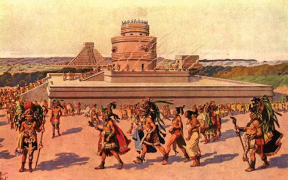
This article is primarily concerned with how pupil progress is affected negatively by general misunderstandings and confusions. What are some of these confusions? Here are what some teachers felt were some of the main ones: Muddling issues from one period or place with those of another place. People in the...

In this article, Michael Maddison provides an overview of what schools must do in relation to promoting British values, as well as preventing extremism and radicalisation, and why it is so important that opportunities are taken in history to deal with these two pressing issues. It is an updated version...
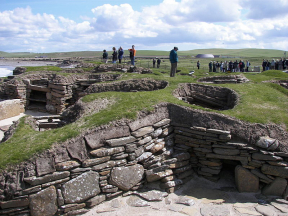
The challenge for subject leaders and school leadership teams continues to be managing the tension between what history has to offer your vision for learning and your children's entitlement to a high-quality history education. The new national curriculum has ensured that this year you have had a close look at...

For this issue I have selected an eclectic range of anniversaries. Some are to do with travel and exploration, showing the human spirit of endeavour and wanting to find out more, like Christopher Columbus' epic voyage across the Atlantic, even if, as we now know, the Vikings went before him...
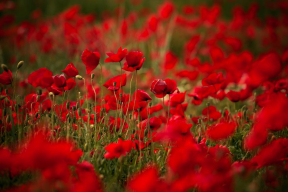
A debt of honour... During the months of September to November 2015, assemblies in my school will focus on remembrance relating to the First World War culminating in a special Armistice Day assembly. In conjunction with this focus a possible approach could be to introduce the children to the growth...
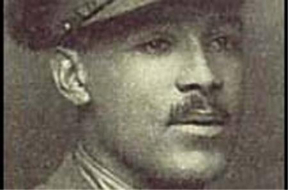
Events which encapsulate family, community, national and global history provide rich opportunities for engaging children. Some of these draw on positive memories associated with past events: the coronation of Queen Elizabeth II, how people responded to the first flight to the moon, the Millennium celebrations. Yet it is perhaps gruelling...
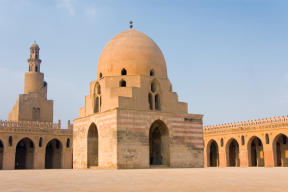
The Primary National Curriculum pinpoints Early Islamic Civilisation as Baghdad c. AD 900 - yet it was so much more. For approximately a thousand years after AD 700 there was an extraordinary amount of activity that radiated out from Baghdad and along a glittering crescent through North Africa and into...

The new (2014) Primary History National Curriculum is finally upon us. The first thing you might notice is that the level descriptions have gone. These were first introduced in 1995 and became the mainstay for assessing pupil progression and attainment in Key Stages 1, 2 and 3 across schools in...

As part of our First World War centenary-themed assemblies, in the last issue of Primary History we focused on the importance of the local dimension. Here we have chosen to look at the role of the international community in the First World War. This approach reflects and celebrates our multi-cultural...
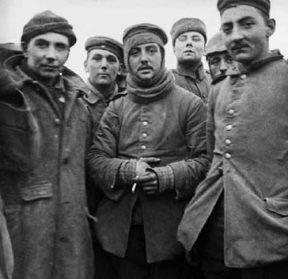
Over the next three editions of Primary History our assemblies pages will be linked to the theme of commemorating the First World War. We have found that while many teachers wish to remember these events in school, they are unsure how to approach the subject with primary aged children. It...

IntroductionWith the publication on 11 September 2013 of the final version of the revised National Curriculum for September 2014, subject leaders and classroom teachers could start to consider the implications of the proposed changes. For history at Key Stages 1 and 2, some parts of the programmes of study are...

Here are a few suggestions for assemblies over the next few months (March-June); each idea is linked to a specific historical event from that month...
The V&A Learning Department aims to make the Museum's collections accessible to all through an engaging and diverse range of events, courses, workshops, trails and resources. The Schools programme supports Primary and Secondary students and teachers and includes sessions for students with special educational needs. The SEN sessions have a...
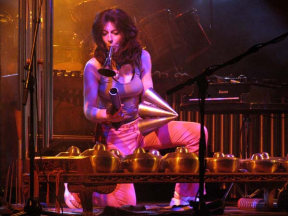
Since the early days of the National Curriculum, considerable progress has been made to introduce children to an inclusive view of history. The research of the late Hilary Claire (1996) served as a major impetus and now primary teachers strive to ensure that no groups or individuals are marginalised, particularly...
The draft English NC for history highlights the study of ‘significant individuals and people'. Michelle Dexter provides an insight on how to approach this biographical requirement; it also opens up biography as a major genre for pupils to master - augmenting their development of literacy...