
Curriculum Support     Foundation Stage & Key Stage 1         Planning             General             Cross Curricular             Local History             Chronological Understanding             Outside the classroom             Developing enquiries         Progression & Assessment         Enquiries         Classroom Resources     Key Stage 2         Planning             General             Local History             Chronological Understanding             Outside the classroom             Developing enquiries             Cross Curricular         Progression & Assessment         Enquiries         Classroom Resources         Transition KS2-KS3     Primary History resources         The Stone Age to the Iron Age         Ancient Civilisations             Greece             Rome             Egypt             Sumer & Mesopotamia             Shang Dynasty             Indus             Persia         Roman Britain         The Anglo-Saxons, Vikings & the Normans         Local Study         World Study             Africa             Central & South America             The Middle East             Asia         Individuals & Events         Living Memory         Beyond 1066             Chronology             Big Picture History             The Victorians             Britain since 1930             Crime and Punishment             Science & Industry             The Tudors         Connecting Classrooms through Global Learning         Primary classroom posters         Assessment         Lessons & Exemplars             Teaching Methods & Leading Primary History             Exemplars & Study Units             Lessons - Key Stage 1             Lessons - Britain since the 1930s             Lessons - The World Wars             Lessons - Tudors & Stuarts             Ancient Greece, Egypt, Sumeria & the Aztecs             Lessons - The Victorians             Lessons - Urban Spaces             Lessons - Romans, Anglo-Saxons and Vikings     Curriculum Issues         Planning             Developing enquiries             Whole School             Inclusion             Local history             Outside the classroom         Interpretations         Change and continuity         Causation         Significance         Chronological Understanding         Inclusion         Using Sources         Similarity & difference         Diversity         Big Picture         Controversial issues         Literacy     Schemes of Work         EYFS & Key Stage 1         Key Stage 2

Lessons - The World Wars
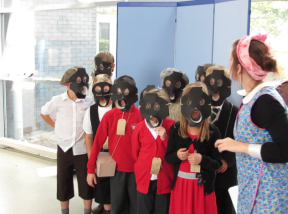
On the 20th of October 2011, Lecturers and PGCE trainees at the University of the West of England, Bristol created a Blitz experience for the children of three local primary schools. The University's Education department was transformed into a Blitz style street, complete with a home front kitchen, a Warden's...
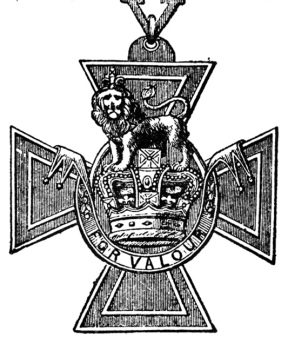
Where World War 2 took placeI wanted the year 5 children to understand World War II in a wider context than just the Home Front in Britain. After reading the lesson on
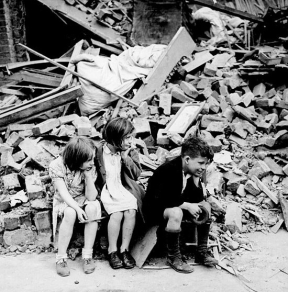
This resource is free to everyone. For access to hundreds of other high-quality resources by primary history experts along with free or discounted CPD and membership of a thriving community of teachers and subject leaders, join the Historical Association today These lessons with Year 6 children at a voluntary-aided primary...
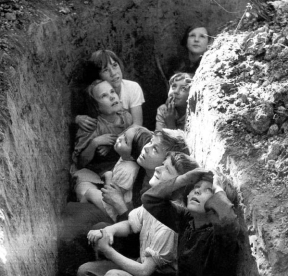
This resource is free to everyone. For access to hundreds of other high-quality resources by primary history experts along with free or discounted CPD and membership of a thriving community of teachers and subject leaders, join the Historical Association today This was a series of three lessons completed in the...
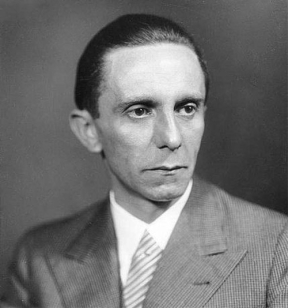
My Year 6 class were studying Britain since 1930. I wanted the class to understand the power of propaganda, and of how convincing it could be. The values that underpin democracy were at the heart of the lessons featuring a fictional politician with controversial views, Mr Busterbank. There was throughout...
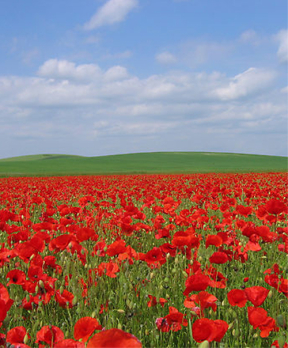
Famous event in the past This lesson introduces a famous event in the past through personal family history. (These resources are attached below) The photograph of Angela's grandfather, and the surrounding illustrations, provided a direct route into discussions about remembrance and war, then ranged wider still. The children's literacy was...