
Local Study

Please note: this article pre-dates the 2014 National Curriculum and some content may be outdated. Death is one of the most sensitive and controversial issues that teachers encounter, linked inextricably as it is to identity. I think it sometimes escapes our attention that, as teachers of history, we constantly deal...
Please note: this article pre-dates the current National Curriculum and some content and links may be outdated. Do you give in to bullying, stay loyal to your leader, admit your actions, betray your neighbours, challenge discrimination or just keep quiet? These were the issues faced by Year 4 children at...
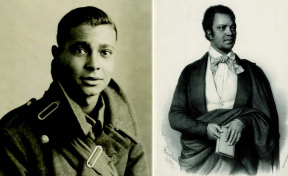
Produced by the Northamptonshire Black History Association and originally published in 2008, this is one of a set of resources for schools offering a more inclusive map of the past that includes an appreciation of Black History within the local, national and global context. The resources provide a range of...
The National Academy for Gifted and Talented Youth funded me to carry out an Action Research project with a focus upon personalised learning. This NAGTY Developing Expertise Award empowered four Year 5 girls to investigate the history of their local town. The pupils attended a school in a small market...
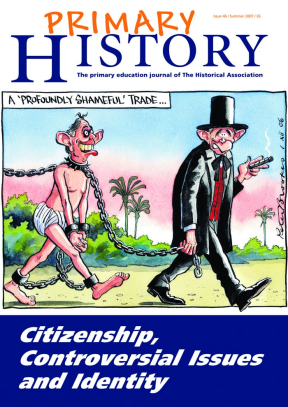
04 Editorial: history, citizenship and the curriculum – a fit purpose (Read article) 05 In My View: citizenship education in primary schools – Lord Adonis 06 In My View: history and identity – Sir Keith Ajegbo 07 Citizenship, identity and culture: Two Poems – Benjamin Zephaniah and an 8th century...
Please note: this article pre-dates the 2014 National Curriculum and some content may be outdated. ‘What are we doing this for?’ I was asked this question as we entered the churchyard to look at the local War memorial. The curiosity and directness of a six year old child is guaranteed...
Finding sources for your local study can be a challenge, particularly if you are not familiar with the history of the area around your school. Please note: this article uses the Images of England website which has now closed down. The images can still be found via the Historic England...
Learning is more engaging and better retained when it is contextualised and when it appeals to a variety of learning styles. How better to bring history alive, than by having it invade children's school environment and transform their everyday experience? Getting away from predominantly auditory learning, the printed word and...
Please note: this article pre-dates the 2014 National Curriculum. In her article in Primary History No 21, Jayne Woodhouse highlighted that the study of history needn’t be all about national events. Essentially it is a series of stories, often about ordinary people and their ordinary lives, which can be built...