
Britain since 1930
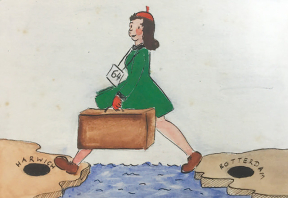
The Kindertransport, literally ‘children’s transport’, was the rescue operation of almost 10,000 unaccompanied Jewish child refugees to Britain between December 1938 and the outbreak of the Second World War in September 1939. Many of the Kinder (children) regularly share their experiences in primary schools, where their visit is regarded as...
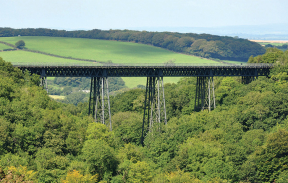
'One of my favourite history places' is a regular feature in Primary History – see all favourite history places here. In this edition, Tim Lomas explores Meldon Viaduct and its surroundings: Visiting places you have read about or seen pictures of can sometimes prove an anticlimax. Others far exceed expectations....
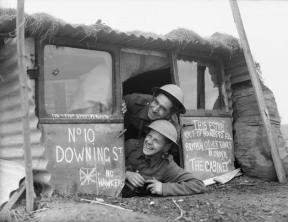
The term ‘phoney war’ refers to the period at the beginning of WWII between September 1939 and April 1940 when there was little fighting. It was brought to an abrupt end by the German invasion of Norway in April 1940. The term is thought to have been coined by an...
Hidden away on top of a dusty, battered cupboard in a local primary school were two equally dusty and battered log books. Each has seen better days and each could provide a range of links to local and national history. The log book was one of two found in one...
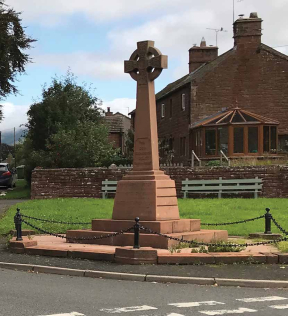
Over the past four years the nation has been commemorating the centenary of the First World War. From soldiers, women, animals, technology and much more… we researched, filmed, documented and preserved. On 11 November, 100 years since the agreement to end hostilities, we commemorated the Armistice. But what can we...
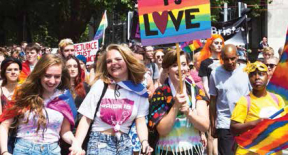
LGBT History Month was established in 2004. It not only raises awareness of discrimination still faced by the LGBT+ community but also celebrates LGBT+ people and their achievements. February is LGBT History Month and its theme this year was ‘History: Peace, Reconciliation, and Activism’.
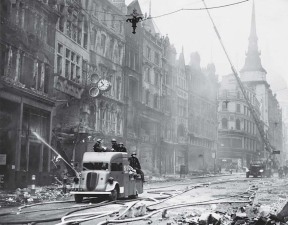
The Blitz of 1940 is certainly a significant event in Britain’s past, one which has repeatedly been drawn upon as a symbol of national consciousness. It was a time when most of Europe had been defeated by the Nazi regime in Germany, typically through ‘Blitzkrieg’ – or lightning war methods...
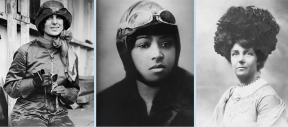
The turn of the 20th century was in many ways a golden age of aviation. In 1903 the Wright brothers conquered heavier-than-air flight. From that time onward there were many other visionaries who wanted to be part of the dream of flying. The topic of early aviation history is an...
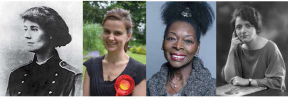
At the 1918 election just one woman, Constance Markievicz, won a seat, in Dublin, for Sinn Fein. She was in prison at the time. At the time, of course, the whole of Ireland was part of the United Kingdom. All 73 Sinn Fein MPs refused to take up their seats,...
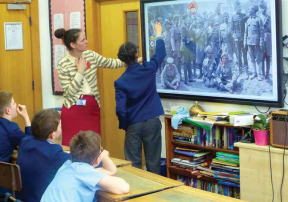
The objective of this lesson plan was to enable pupils to develop a greater understanding and appreciation of the input of Muslim soldiers in World War I and to do so through empathy and creative discussion. I very much enjoyed teaching this session with a group of Year 6s, all...
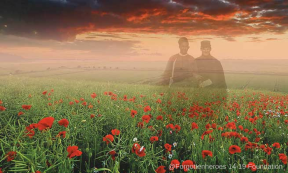
Hayyan Bhabha introduces a project that is using newly-discovered documents to show the contribution of Allied Muslim soldiers in the First World War, with the aim of developing empathy, mutual respect and religious understanding in young children of all ages. At a time of rising nationalism across the world, where...
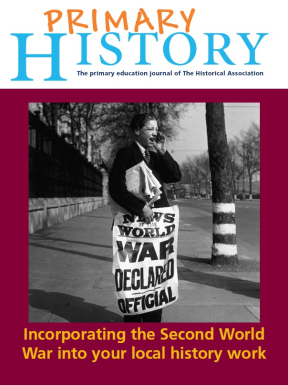
The 2018 primary summer resource for members is bursting with practical ideas on how to incorporate the Second World War into your local history work. September 2019 is the 80th anniversary of the start of the Second World War, so what better time to start thinking about how to embed...
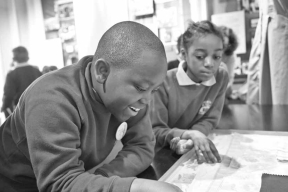
There is something really magical about making your own discoveries. Investigating something sparked by your own curiosity and using your own skills of observation and deduction to find out more is exciting. Human beings have always wanted to find out about our history and our place in the world –...
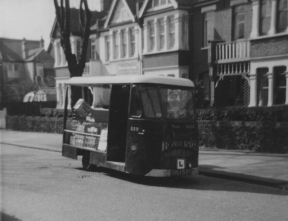
'People who help us’ is a popular learning theme in the Foundation Stage. It helps children develop their knowledge of the world around them and understand how they are part of a local and wider community. Aspects of this theme can also provide opportunities for children to develop their understanding...

Please note: this piece was written before Sir Mo Farah’s 2022 disclosure that he was trafficked to the UK as a child, so some of its content is no longer accurate. An assembly could focus on the achievements of their lives, experiences as child refugees and migrants, and how they...
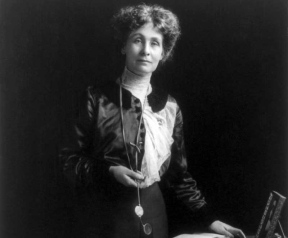
In Part 2 of our series on Social and Political Change in the UK 1800-present we look at the Women's Movement in the UK from its early origins through to the end of the 20th century Part 2 features Dr Anne Logan, Professor June Hannam and Ms Jean Spence. Also...
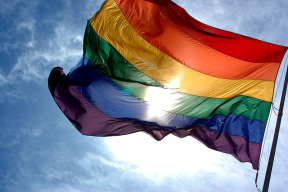
In Part 4 of our series on Social and Political Change in the UK since 1800 we focus on UK LGBTQ+ History. This series of podcasts features Dr Matt Cook and Dr Sean Brady of Birkbeck, University of London, Professor Sally R Munt of the University of Sussex and Dr...
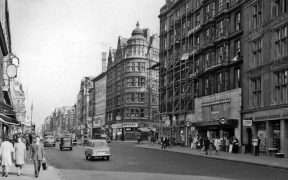
Photographs are very useful and productive documents when teaching history. They provide a snapshot of the past such as this one from just outside Selfridges on Oxford Street in London c.1962-64. Combined with further images from Heritage Explorer, clips from Pathé News, extracts from the 1911 Census, locally gathered images...
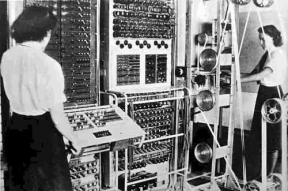
Bletchley Park was the most important of the top secret intelligence sites during the Second World War. The quiet Buckinghamshire village hosted 10,000 people dedicated to defeating the Nazis, 75% of those were women. In this podcast we are lucky enough to have some of those women talking about their...
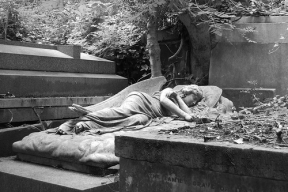
Why visit a cemetery as part of the history curriculum? Local studies now feature prominently in the primary history curriculum for both key stages. This development challenges teachers to find easilyaccessible, inexpensive and relevant resources on their doorstep. A rich resource which has traditionally been overlooked is the local churchyard...