
Britain since 1930
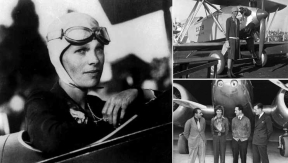
For this edition we have chosen an overarching theme of significant women in history to link your assemblies. We have also looked for a link between the women to the month in which your assembly is being delivered. A common approach when introducing each of the women could be to...
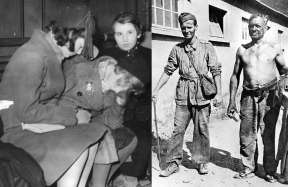
Editorial Note: The impact of war on children's lives and witness testimony is a powerful way to motivate history learning through engaging children with the recent past. The process of developing this unit provides a wonderful example of reflective curriculum development, and a teaching and learning journey. When I first...

Editorial note: The WOW factor. When we first received and read the World War II Evacuation Project case study we simply went WOW! It was genuinely mind-blowing. Below we publish the main sections of the report. They bring to life an invaluable, ground-breaking case-study of national significance. The case-study involved...
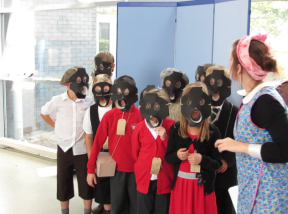
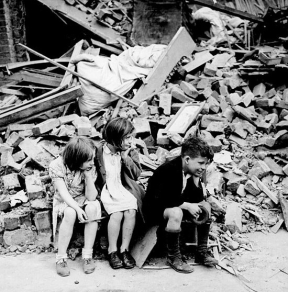
On the 20th of October 2011, Lecturers and PGCE trainees at the University of the West of England, Bristol created a Blitz experience for the children of three local primary schools. The University's Education department was transformed into a Blitz style street, complete with a home front kitchen, a Warden's...
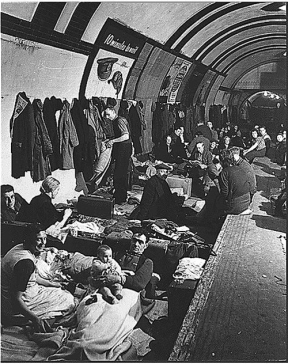
Editorial note: The WOW factor. When we first received and read the World War II Evacuation Project case study we simply went WOW! It was genuinely mind-blowing. Below we publish the main sections of the report. They bring to life an invaluable, ground-breaking case-study of national significance. The case-study involved...
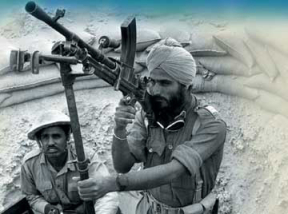
India was vital as a source of men and material for the British in the Second World War, despite the constitutional, social and economic issues which posed threats to its contribution. Leo Amery, Secretary of State for India 1940-5, wrote to Churchill, 8 April 1941: ‘My prime care had naturally...
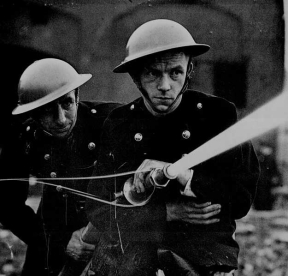
This resource is free to everyone. For access to hundreds of other high-quality resources by primary history experts along with free or discounted CPD and membership of a thriving community of teachers and subject leaders, join the Historical Association today Overview Post-1930s Britain has been transformed by a technological revolution...
Where World War 2 took placeI wanted the year 5 children to understand World War II in a wider context than just the Home Front in Britain. After reading the lesson on
This resource is free to everyone. For access to hundreds of other high-quality resources by primary history experts along with free or discounted CPD and membership of a thriving community of teachers and subject leaders, join the Historical Association today These lessons with Year 6 children at a voluntary-aided primary...
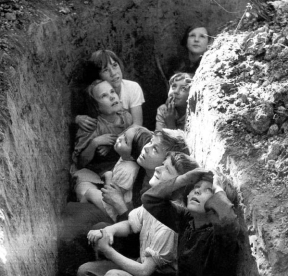
This resource is free to everyone. For access to hundreds of other high-quality resources by primary history experts along with free or discounted CPD and membership of a thriving community of teachers and subject leaders, join the Historical Association today This was a series of three lessons completed in the...
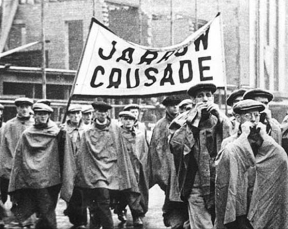
1930s Depression: a case study Bringing this decade of economic depression and hardship to life for the children, using the story of the 1936 Jarrow march. (These resources are attached below) As an introduction to the 1930s the class had already watched the How We Used to Live video. The...
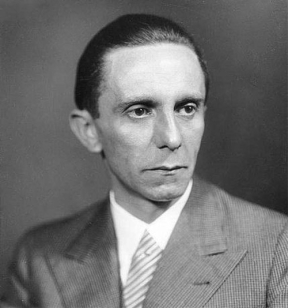
My Year 6 class were studying Britain since 1930. I wanted the class to understand the power of propaganda, and of how convincing it could be. The values that underpin democracy were at the heart of the lessons featuring a fictional politician with controversial views, Mr Busterbank. There was throughout...
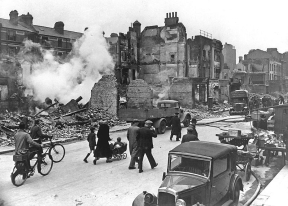
We focused on changes in one local set of shops (in Magdalen Road) and looked at the impact of the World War II Exeter blitz on the area. The topic was a local study incorporating history and geography, developing children's historical understanding. To develop as fully as possible the children's...
In this lesson we asked what clues (objects and pictures) can tell us about the past. How were schools in the past different from ours? (Resources attached below.) The objectives were: To introduce the children to the idea of history as detective work. To help the children to make comparisons...
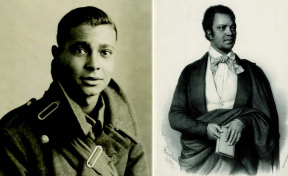
Produced by the Northamptonshire Black History Association and originally published in 2008, this is one of a set of resources for schools offering a more inclusive map of the past that includes an appreciation of Black History within the local, national and global context. The resources provide a range of...
The mention of 'The Domesday Project' to any teacher who was in the classroom in 1985 usually triggers a very vivid memory of involvement in a national survey to capture life at that time. Teachers of over one million pupils in both primary and secondary schools volunteered to be included...
Please note: this 2005 article is likely to be of use to researchers rather than teachers. A post cold war world: The last decade of the 20th century saw a sea change in the political systems of the Soviet Bloc and a corresponding re-orientation of international politics. Following the fall...
Please note: this article pre-dates the current National Curriculum and some content and references may be outdated. This article reports some surprising gender-based trends indicated by a small scale piece of classroom research looking into incidental responses of Year 6 pupils to the teaching of Study Unit 11b (Britain Since...
In this article, Helena Stride shows how the Imperial War Museum responded to criticism that insufficient attention had been paid to the contribution of black and Asian people to Britain’s wars. She focuses on one of two resource-packs produced by the Museum, which highlights the experience of Britain’s colonial peoples,...
Please note: the links and website lists in this 2002 article are out of date. Marked by tensions and contradictions, the 1930s were on the cusp of older and newer trends; in the shadow of late Victorian and Edwardian society yet pulled towards a recognisably modern life-style which would develop...