
Diversity

The draft English NC for history highlights the study of ‘significant individuals and people'. Michelle Dexter provides an insight on how to approach this biographical requirement; it also opens up biography as a major genre for pupils to master - augmenting their development of literacy...
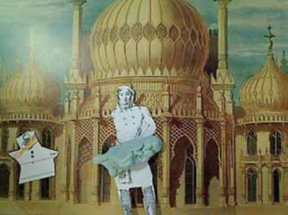
What do we mean by creativity?In the last few years there has been an emphasis on the ‘creative curriculum', ‘creativity' and ‘creative teaching and learning', but there has not always been a shared understanding of what this means. This article uses the definition from ‘Creativity - find it, promote it'...
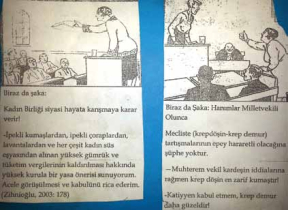
Pupils as Journalists Background of the Study Historiography has expanded to include all social groups and identities in the community. The social historiographical approach became extremely important in the 20th century (Cooper, 2007, pp. 41-2). In parallel with social historiography and related second wave feminism, women began to write their...
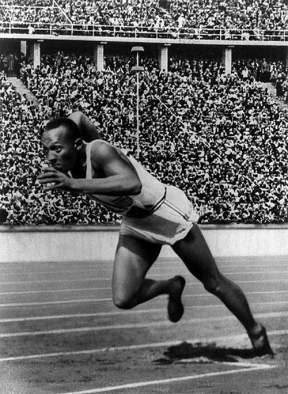
Please note: this article pre-dates the 2014 National Curriculum and some content may be outdated. Allocated the task of researching and presenting ideas for teaching about significant Olympians, I thought: ‘Brilliant, this is the easy one'. How wrong can one be! I expected to be able to access a plethora...
Please note: this article pre-dates the 2014 National Curriculum and some content may be outdated. This article outlines ideas for teaching history with crosscurricular links to citizenship, with a Year 6 class...

Please note: this article pre-dates the 2014 National Curriculum and some content may be outdated. Teaching history is a balancing act between generalities and the particular. This article seeks to explore how Britishness and ethnic diversity relate to a broader understanding of diversity. We do not challenge the teaching of...
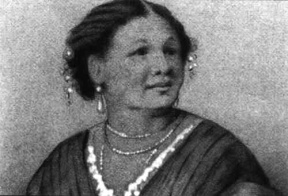
Please note: this article pre-dates the 2014 National Curriculum and some content may be outdated. The main goals of educating children are meeting their educational and achievement needs. Herein is the challenge. Our classrooms are a cornucopia of diversity. The most prominent or acknowledged being gender, class, religion and ethnicity....

Please note: this article pre-dates the 2014 National Curriculum and some content may be outdated. First let me say that I did not research the materials used or plan this lesson. For this I must acknowledge, with thanks, that this is the work of my colleague, Mike Huggins, and the...
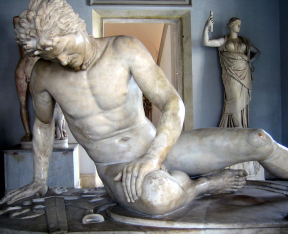
Please note: this article pre-dates the 2014 National Curriculum and some content may be outdated. Editorial comment: A History of the World is the most creative, imaginative and dynamic development in primary History Education for thirty years. It ties in perfectly with and supports the government's re-vitalisation of primary education...
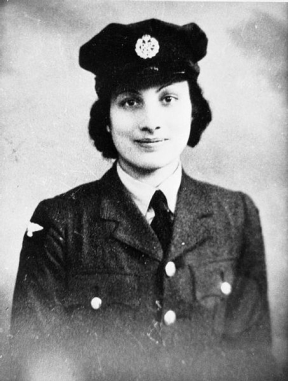
Please note: This article pre-dates the current National Curriculum and some content and references may be outdated. If you are considering studying someone other than Florence Nightingale you have two basic options. You can either choose a local character who would be more relevant to the children, or you could...
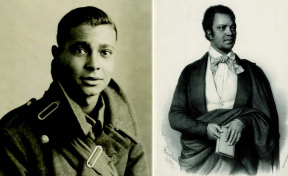
Produced by the Northamptonshire Black History Association and originally published in 2008, this is one of a set of resources for schools offering a more inclusive map of the past that includes an appreciation of Black History within the local, national and global context. The resources provide a range of...
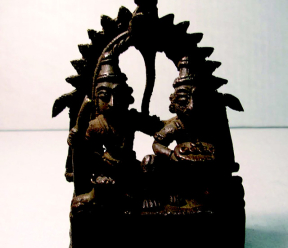
Produced by the Northamptonshire Black History Association and originally published in 2008, this is one of a set of resources for schools offering a more inclusive map of the past that includes an appreciation of Black History within the local, national and global context. The resources provide a range of...
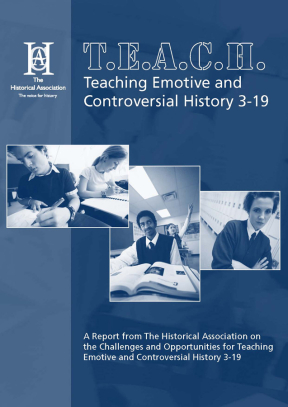
The TEACH report outlines the sort of good practice in teaching sensitive topics which is available for teachers to share, not least through the Historical Association's programme of subject-specific training.
Please note: this article pre-dates the 2014 National Curriculum and some content may be outdated. Our school has no uniform. You can’t predict what most children or teachers will wear from one day to the next. So the children were rather surprised one day in July 1996 when most of...
As history teachers we are used to encouraging pupils to think; enabling them to express thoughts with clarity both verbally and in written form. Yet, if history as a school subject becomes purely cognitive, then something is missing. History deals with human behaviour and therefore the affective and the emotional...
Please note: this article was written before the the 2014 National Curriculum and some content is now outdated, e.g. reference to the QCA. This article may therefore be more useful for those engaging in research than for practising teachers. See Primary History summer resource 2019: Diversity for current guidance. In...