
Individuals & Events

Chronology: Developing a coherent knowledge and understanding of Britain's past and of the wider world First, this article considers the reasons why it is essential for children to develop a chronological framework. Next it considers ways in which this framework is necessary for the development of the time concepts set...
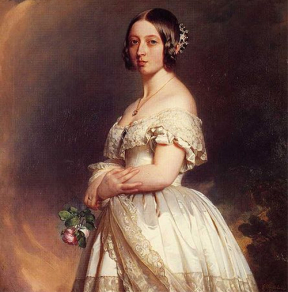
The Victorians is a much-loved unit of work in many schools and some teachers were disappointed to see it had been removed but there are still ways to continue to teach it under the 2014 National Curriculum. In many localities there will be a huge variety of Victorian buildings -...
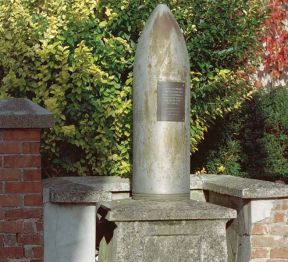
The image on the back cover is of the war memorial in Westonzoyland, Somerset. It consists of a concrete plinth with a metal shell-case set on top, on the front of which is a plaque which reads: ‘This shell was presented by Westonzoyland Parish Council to commemorate the memory of...
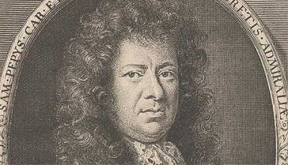
In 1660 Samuel Pepys, an increasingly-important 26 year-old civil servant in London, began writing his diary. He stopped a decade later. This site contains the full text of his diary, along with several letters sent or received by Pepys, plus thousands of pages of further information about the people, places...
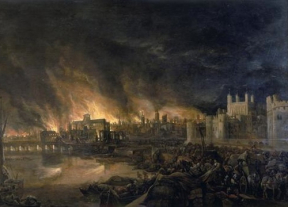
The Great Fire of London is a favourite National Curriculum teaching topic. This paper draws on the latest resources and teaching ideas to suggest how you can meet both the NC history requirements and the wider ones of the National Curriculum, particularly in integrated programmes that include teaching about the...
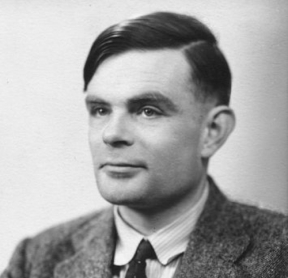
The man who helped win the war, invented computing and inspired artificial intelligence research Editorial note: Alan Turing was a major figure in the cracking of the Germans' Enigma code at Bletchley Park which could well have helped shortened World War II by a couple of years. The more general...
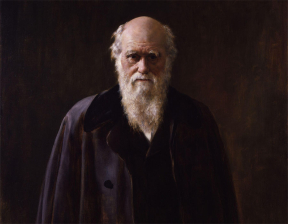
In this set of podcasts Project Director Professor Jim Secord and Associate Director Dr Alison Pearn of the Darwin Correspondence Project discuss the life, work and legacy of Charles Darwin.
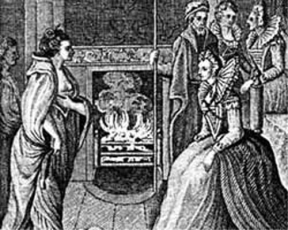
"Why are you so angry Grace?" Teaching and learning about Grace O'Malley as a significant woman at Key Stage 1 Grace O'Malley was an Irish queen in the Tudor period and her story provides insights about life in Ireland at the time of the Elizabethan conquests. Grace, also known as...
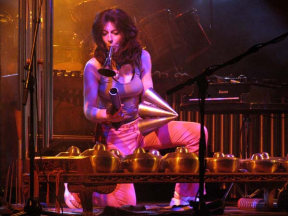
Since the early days of the National Curriculum, considerable progress has been made to introduce children to an inclusive view of history. The research of the late Hilary Claire (1996) served as a major impetus and now primary teachers strive to ensure that no groups or individuals are marginalised, particularly...
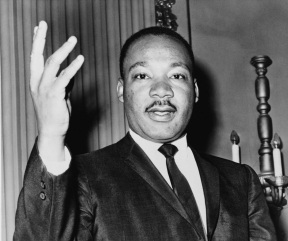
Teaching significant individuals remains a key element in Key Stage 1. Significance is an extremely difficult concept to develop with young children, so how do we sow the seeds? This unit looks at just one approach for developing early ideas of significance with young children through the individuals of the...

The draft English NC for history highlights the study of ‘significant individuals and people'. Michelle Dexter provides an insight on how to approach this biographical requirement; it also opens up biography as a major genre for pupils to master - augmenting their development of literacy...
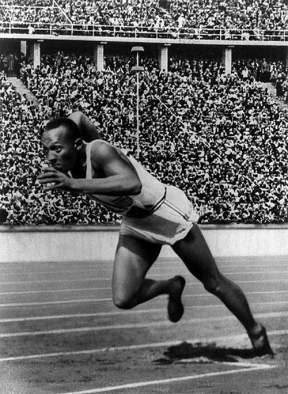
Please note: this article pre-dates the 2014 National Curriculum and some content may be outdated. Allocated the task of researching and presenting ideas for teaching about significant Olympians, I thought: ‘Brilliant, this is the easy one'. How wrong can one be! I expected to be able to access a plethora...
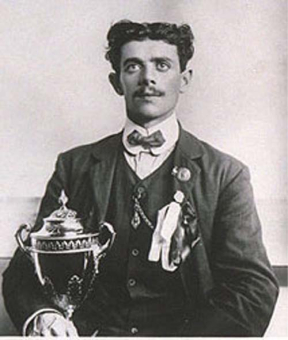
Please note: this article pre-dates the 2014 National Curriculum and some content may be outdated. The Italian confectioner Dorando Pietri is one of the most famous figures from the 1908 Olympics - famous for not winning. His story raises issues of sportsmanship suitable for class discussion. There are detailed accounts...
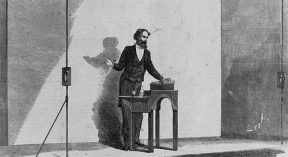
For many years London South Bank University [LSBU] trainee teachers have been engaged in a wide range of mini history-led, cross-curricular projects in local primary schools, culminating in the students teaching lessons to groups of children. Some of these projects have been on different aspects of community history, including in-depth...
Please note: this article pre-dates the 2014 National Curriculum and some content may be outdated. History flows like a river, sometimes quiet and unobtrusive, sometimes a raging torrent with wide-ranging effects on the world around us. It is punctuated by momentous events and significant individuals, who impact on its direction...
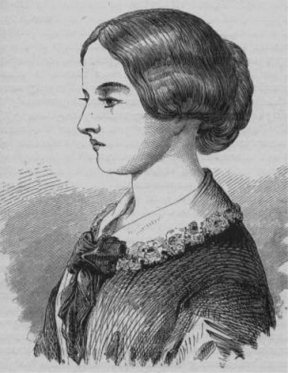
Born: May 1820; Died: August 1910 Background and early life Florence Nightingale was born to a wealthy evangelical family in Florence, Italy in 1820. She was named after her place of birth. It was normal at the time for girls from wealthy families to be educated at home by a...
The life of a famous person from the past and why she acted as she did Florence Nightingale: her life, why she went to the Crimea, and what happened as a result of her work. Cross-curricular work: this lesson stretches and challenges all children, regardless of their ability, whilst teaching...
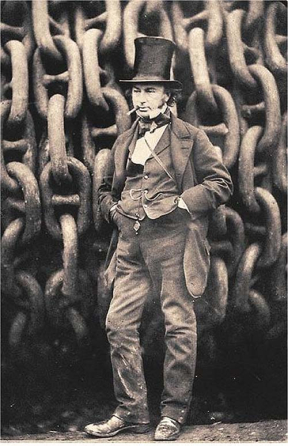
Please note: this free resource pre-dates the 2014 National Curriculum. For a more recent resource, see our Primary scheme of work on Brunel. The focus for this literacy hour lesson was a picture, used as a text. The literacy hour genre was non-fiction. In it we studied a specific Victorian,...

Please note: this article pre-dates the 2014 National Curriculum and some content may be outdated. First let me say that I did not research the materials used or plan this lesson. For this I must acknowledge, with thanks, that this is the work of my colleague, Mike Huggins, and the...
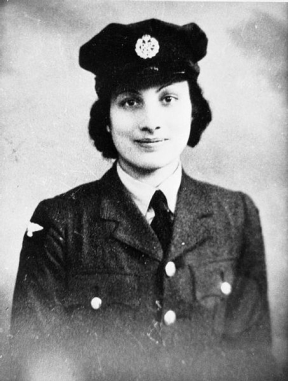
Please note: This article pre-dates the current National Curriculum and some content and references may be outdated. If you are considering studying someone other than Florence Nightingale you have two basic options. You can either choose a local character who would be more relevant to the children, or you could...