
Classroom Resources
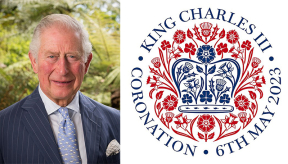
2023 will see the first coronation of a British monarch for 70 years. Only those now in their 70s or above will remember the last one. The UK is the only country in Europe still to carry out a coronation, a ceremony that has its roots in traditions over a...
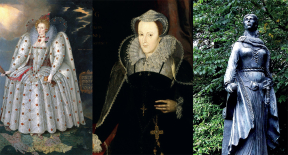
This article builds on an earlier publication in Primary History Issue 89 which considered the history of ‘these islands’ before 1066 in the primary history curriculum. Both articles address the first aim of the National Curriculum which indicates that children should: know and understand the history of these islands as...
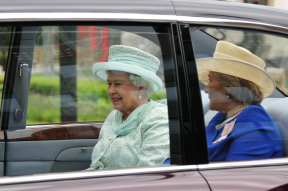
Prior to completing this unit of work, it would be useful for the children to have started to develop an understanding of the substantive concepts of monarchy and royalty through their prior learning. Direct links can be made between studies of specific monarchs and their roles, as well as stories...
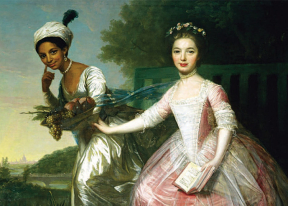
See also: Teaching Slavery - HA guide Slavery in Britain Sarah Forbes Bonetta - scheme of work Teaching Emotive and Controversial History Diversity guidance for primary teachers and subject leaders Slavery is a part of our history, and its impact can be seen in the statues of influential men, the...
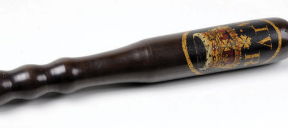
This painted wooden police truncheon dates from the reign of King William IV (1830–37). It is decorated with a crown and the letters WIVR, standing for King William IV. For some pupils, its function may be obvious, for others it may be mistaken for a rounders or baseball bat, or...
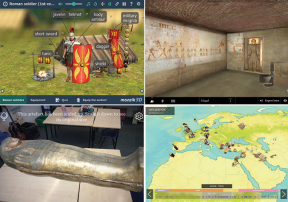
There are a lot of apps out there on multiple platforms and searching for ‘History’ does not really narrow anything down. Knowing which ones are useful, usable and worth paying for is often a case of trial and error. However, this list will save you trawling through the myriad of...
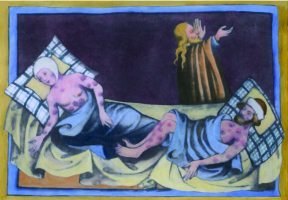
The story of the history of medicine is HUGE! In fact, it’s a story within story within a story… You only have to note the substantial amounts that have been written on the subject in the past, to realise that this is a story that could baffle and perplex even...
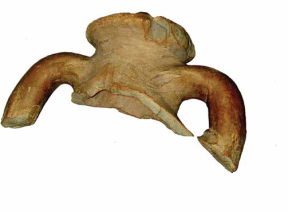
How do we make connections with past lives through authentic artefacts? My research evidence suggests that pupils do not really like having to imagine they are an evacuee or a Roman (for example), but do like engaging with and thinking about the reality of past lives. It has been surprising...
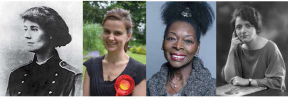
At the 1918 election just one woman, Constance Markievicz, won a seat, in Dublin, for Sinn Fein. She was in prison at the time. At the time, of course, the whole of Ireland was part of the United Kingdom. All 73 Sinn Fein MPs refused to take up their seats,...
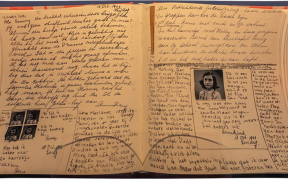
All too often Anne Frank becomes a symbol, used to show ‘the triumph of hope over evil’, even though she was killed during the Holocaust. Sometimes she is quoted utterly out of context to provide uplifting sentiments, or short phrases with redemptive messages. What this lesson sets out to do...
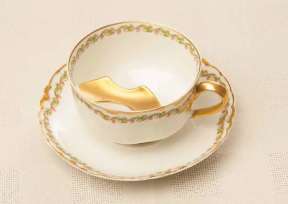
The moustache cup I purchased on ebay is one of the most popular artefacts I use with students in a good game of ‘guess the object’. It has a wonderful quality of being at the same time familiar yet strange. Despite telling the students not to start with the question...
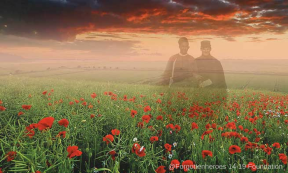
Hayyan Bhabha introduces a project that is using newly-discovered documents to show the contribution of Allied Muslim soldiers in the First World War, with the aim of developing empathy, mutual respect and religious understanding in young children of all ages. At a time of rising nationalism across the world, where...
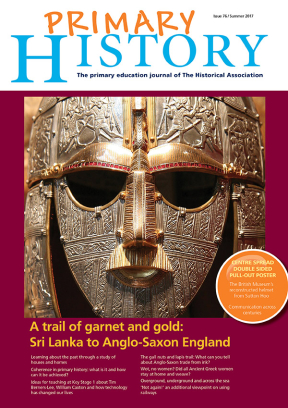
1. Communication Across the Ages; 2. The British Museum's Sutton Hoo Helmet
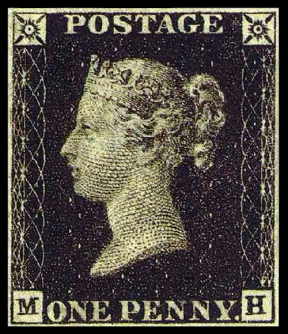
Communication is at the heart of what it is to be human, and the British postal service has helped to shape the modern world as we know it today. From cryptic Victorian Valentine cards to a lion encountered on Salisbury Plain, there is nothing ordinary about the story of the...

Please note: this piece was written before Sir Mo Farah’s 2022 disclosure that he was trafficked to the UK as a child, so some of its content is no longer accurate. An assembly could focus on the achievements of their lives, experiences as child refugees and migrants, and how they...

Young children who automatically see shiny things as new no matter what their age, those who mix up technology from one age with another, those who dismiss people in the past as stupid because they did not have the possessions we have today, those who equate the age of a...
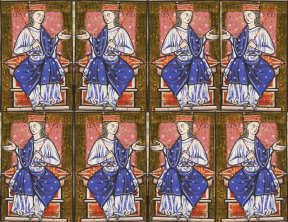
The Anglo-Saxon era is a diverse period that stretches across just over 650 years. Those we call Anglo-Saxons were not homogenous nor were their experiences. In AD 410 the Roman legions leave and the first Anglo-Saxon raiders appear. These pagan warrior bands would come to terrorise Romano-British settlements until, inevitably,...
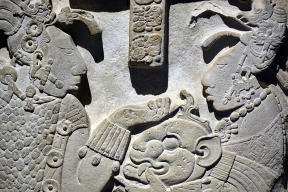
Most pupils like history, but some struggle with aspects of reading and writing – how can we make history more accessible? This article explores some ways I have found useful in engaging pupils of all abilities. It will focus on activities that might be used in studying the Non-European Society...
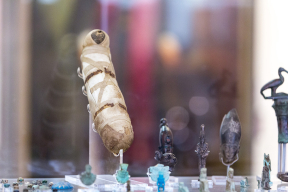
For hundreds of years, travellers to Egypt have marvelled at the amazing monuments evident throughout the country. The treasures of Ancient Egypt became more fascinating after the discovery of the Rosetta stone in 1799, which led to the deciphering of the hieroglyphic language. Many Victorian explorers returned to their European...
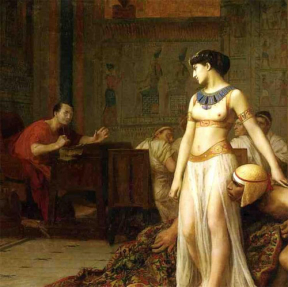
Ancient Egyptian civilisation is rich and mysterious with distinctive visual imagery and strange animal-headed gods. The exotic differences of the society have always intrigued the western imagination and so they continue to ensure that this is a popular unit with both teachers and children. There are plentiful resources with new...