
Chronological Understanding
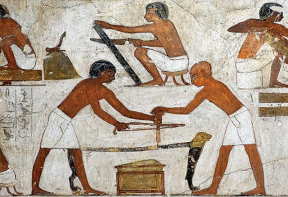
Perhaps the hardest skill to develop in history is a sense of period. What was it really like to live in Ancient Egypt? Who should we study? Or, in this case, which workers were typical? Were these craftsmen in Deir el Medina typical of all the workers in Egypt? Or...
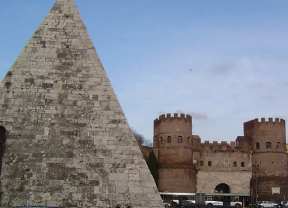
Miss, did the Romans build pyramids? No Johnny, I think you are confusing the Romans with the Egyptians. Actually, Miss, the Romans did build pyramids – well, at least one – and you can still see it in Rome today! The pyramid, which is 37 metres [or 125 Roman feet]...
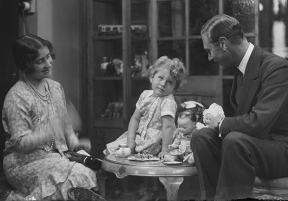
Hidden away on top of a dusty, battered cupboard in a local primary school were two equally dusty and battered log books. Each has seen better days and each could provide a range of links to local and national history. The log book was one of two found in one...
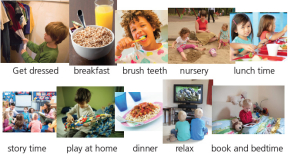
For many children, going to nursery school is a key part of their day. It could therefore be assumed that children attending nursery tend to have similar routines to one another, whereas actually if encouragement is given to explore elements of their lives they will find many differences between their...
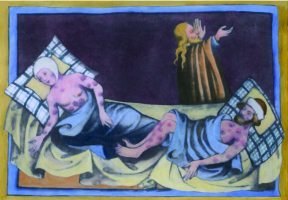
The story of the history of medicine is HUGE! In fact, it’s a story within story within a story… You only have to note the substantial amounts that have been written on the subject in the past, to realise that this is a story that could baffle and perplex even...
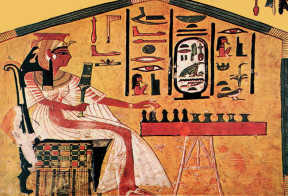
Perhaps one of the most perplexing aspects of teaching history is the fostering of conceptual understanding. History subject leaders often find this a challenging issue. Even if they have a decent grasp themselves, it can be difficult for others in the school who have to teach the subject. Over recent...
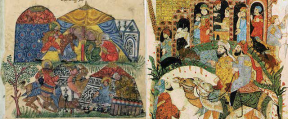
The Abbasid Caliphate stretched from North Africa across to Afghanistan and the North West Frontier. Within the caliphate there were movements of people, goods and ideas. The golden period of this early Islamic caliphate was around 900 AD. As the caliphs were building a major trading empire across the Middle...
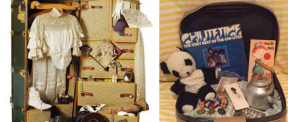
In times of tight budgets and with the new financial year on the horizon in April, now might be a good time to look at different ways to resource your history curriculum effectively. Alongside all the resources for teachers available from Primary History and the HA website, the following list...
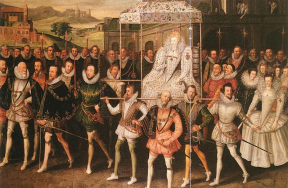
Although much of the Key Stage 2 history curriculum relates to the period before 1066, we are expected to include 'a study of an aspect or theme in British history that extends pupils’ chronological knowledge beyond 1066' (DfE, 2013,p.5) This raises two questions:a) How can a post-1066 topic be related...
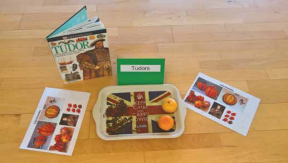
Timelines are a constant source of fascination. Rows of events and time periods all jostling for position on an eternal line, cramming together or strung out with wide gaps between them. In our primary classrooms, however, the vastness of timelines can be diminished as we crop them on computers and...
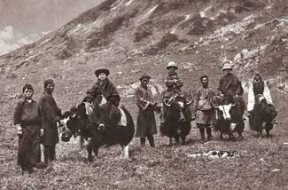
Exploration and a curiosity about the world are key human characteristics that have shaped and continue to shape our behaviour. Nowhere is this more true than with younger children who relish the opportunity to investigate their environment and all it contains. Promoting this natural curiosity and introducing stimulating challenge should...
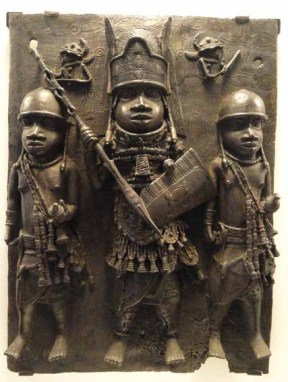
When deciding to teach the topic of Benin to my Year 5 pupils I was somewhat daunted by the fact that I had never taught it before, and I was determined that it be a meaningful experience which benefited their narrative, chronological and historical skills-based understanding of the subject. I...

The 1960s were a decade of great change in Britain. The previous decade had seen America begin its gradual global cultural domination while Britain had to revise its role from imperial state to a member of the new Commonwealth of Nations. Recovery from the war had not been easy and...
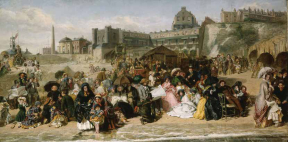
This article is about planning and teaching about ‘having fun across time’ for use in the later years of Key Stage 2 – investigating questions such as ‘Were people having fun in the same ways in the Middle Ages as in the Roman or Victorian periods?’ ‘What did our parents...
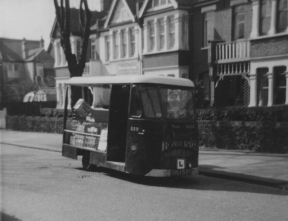
'People who help us’ is a popular learning theme in the Foundation Stage. It helps children develop their knowledge of the world around them and understand how they are part of a local and wider community. Aspects of this theme can also provide opportunities for children to develop their understanding...

A learning theme centred on toys and games is perfect for younger children as the Early Years curriculum is, of course, all about learning through play. Planned carefully, it can also provide many opportunities for children to develop their understanding of the past. Adult-directed learning opportunities Provide the children with...

One of the key aims of the English history National Curriculum is to ensure that pupils ‘know and understand the history of these islands as a coherent, chronological narrative’. Teaching chronology is also important in the Netherlands. In this article we cover some aspects of teaching and recent research from...
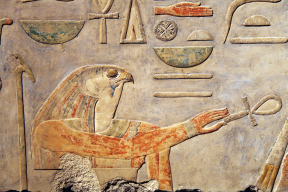
I will be honest – no child has actually asked me if the world was ever full of Ancient Egyptians! Having said that, by focusing on one part of the world, children are left with either this impression or the idea that nothing was happening elsewhere in the world. Clearly,...
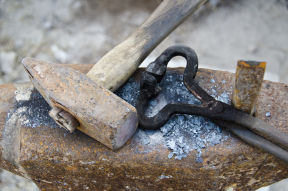
The University of Chichester’s three-year BA (Hons) Degree for Primary Education and Teaching involves learning how to provide rigorous and creative educational opportunities for children. The course involves one creativity module each year. The final one involves the development of skills and confidence in creating problem-solving. Four of us were...

One of the requirements for Key Stage 2 history is for some history that extends beyond 1066. Various suggestions have been made including an examination of change within a social theme. The example given is Crime and Punishment but the opportunities for something interesting are vast. This article focuses on...