
Classroom Resources
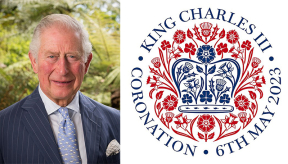
2023 will see the first coronation of a British monarch for 70 years. Only those now in their 70s or above will remember the last one. The UK is the only country in Europe still to carry out a coronation, a ceremony that has its roots in traditions over a...
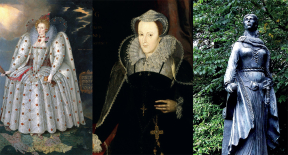
This article builds on an earlier publication in Primary History Issue 89 which considered the history of ‘these islands’ before 1066 in the primary history curriculum. Both articles address the first aim of the National Curriculum which indicates that children should: know and understand the history of these islands as...
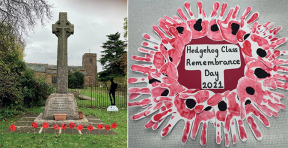
Remembrance Day (11 November) is an important time for children to learn about how we choose to both represent and remember significant events in the past. Within EYFS, learning about remembrance most obviously lends itself to Understanding the World – with a focus on children making connections between past and...
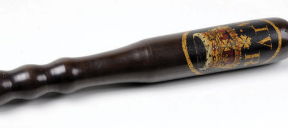
This painted wooden police truncheon dates from the reign of King William IV (1830–37). It is decorated with a crown and the letters WIVR, standing for King William IV. For some pupils, its function may be obvious, for others it may be mistaken for a rounders or baseball bat, or...
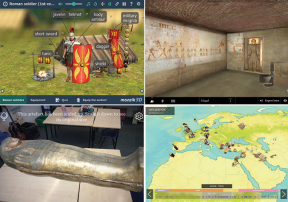
There are a lot of apps out there on multiple platforms and searching for ‘History’ does not really narrow anything down. Knowing which ones are useful, usable and worth paying for is often a case of trial and error. However, this list will save you trawling through the myriad of...
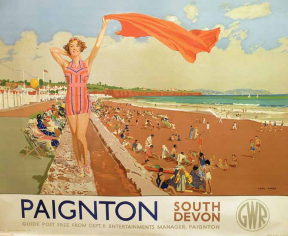
Advertising is a central part of our everyday lives. There are few ways to escape it and it has a long pedigree. It has long been recognised that it can help sell products through the power of the punch line or the visual image. Trade cards appeared as early as...
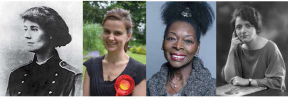
At the 1918 election just one woman, Constance Markievicz, won a seat, in Dublin, for Sinn Fein. She was in prison at the time. At the time, of course, the whole of Ireland was part of the United Kingdom. All 73 Sinn Fein MPs refused to take up their seats,...
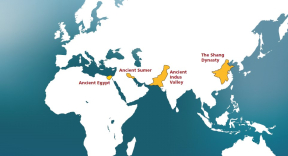
Have you ever used archaeology and object handling as a way to hook the interest of children in to primary history? Are you searching for creative ways to compare and contrast ancient civilizations? Would you like to extend your subject knowledge? Want inspiration for building in fascinating local history seamlessly...

A thematic study based on houses and homes is an excellent way to link learning about the past with something all children will be able to relate to – where they live. Planned carefully, it can provide a range of learning opportunities for both inside and outside the classroom. Let’s...
This article links teaching about Sir Tim Berners-Lee to Changes in Living Memory and Significant Individuals and makes comparisons between Caxton and the impact of earlier developments in communications technology. It provides interesting topics for discussion about significance (pupils may be surprised by the idea that they are living through...

Please note: this piece was written before Sir Mo Farah’s 2022 disclosure that he was trafficked to the UK as a child, so some of its content is no longer accurate. An assembly could focus on the achievements of their lives, experiences as child refugees and migrants, and how they...
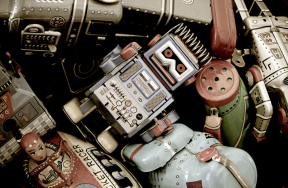
A learning theme centred on toys and games is perfect for younger children as the Early Years curriculum is, of course, all about learning through play. Planned carefully, it can also provide many opportunities for children to develop their understanding of the past. Adult-directed learning opportunities Provide the children with...
For hundreds of years, travellers to Egypt have marvelled at the amazing monuments evident throughout the country. The treasures of Ancient Egypt became more fascinating after the discovery of the Rosetta stone in 1799, which led to the deciphering of the hieroglyphic language. Many Victorian explorers returned to their European...
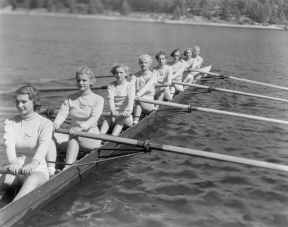
National Sporting Heritage Day takes place on 30 September every year. It aims to support schools and other community organisations to engage withtheir local sporting heritage, explore the heritage on their doorstep, celebrate and share the information that they find and inspire children and young people to find out more....

Stories are an important part of a young child’s way of making sense of their world. Hilary Cooper’s excellent article ‘Why Stories?’ explores some of the reasons why stories are important to young children and their growing ‘understanding of the world’. This article is going to explore some recommended stories...
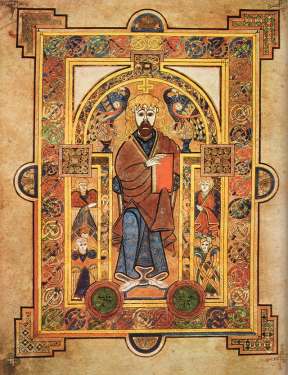
Why would I want those old books in my classroom? It has always been recognised that good primary history is able to connect the past with the world the children currently inhabit. That is why focusing on schools can be so useful. If there is one experience the children have...

In this article, Michael Maddison provides an overview of what schools must do in relation to promoting British values, as well as preventing extremism and radicalisation, and why it is so important that opportunities are taken in history to deal with these two pressing issues. It is an updated version...
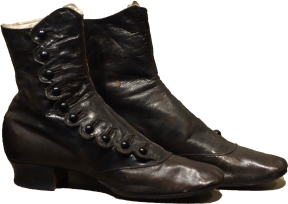
There is something fascinating about what people wore in the past. From corsets to clogs, the evolution of clothing and footwear can give an insight into different periods of history, an excellent way of engaging with the past. Shoes, in some form or another, have been around from the earliest...
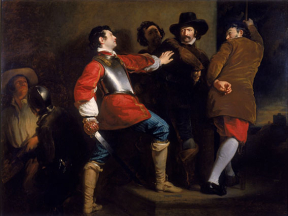
The recent survey of history teaching in primary schools conducted by the Historical Association revealed that the majority of respondents felt that they were short of resources to teach the revised National Curriculum. Not surprisingly most schools look to find resources that do the job cheaply. It is a truism...